Feeds:
Posts
Comments

Tulum, Mexico


I went with my little family to Tulum, Mexico last month, and I have to say, it was one of our best trips–ever.

We travel to Mexico nearly every year, but always on the west side, I suppose because we know it and it’s closer. I didn’t realize the east side looked completely different, and thus always thought, why take a 5-6 hour flight to Mexico when you can get there in 3-4? However, the east side–at least the Yucatan Peninsula where Tulum is located, is really beautiful and very different from the west. Lush jungles abound and mangroves grow for as far as the eye can see. We saw manatees and a crocodile during our adventures, as well as ancient Mayan ruins, and everywhere turquoise-blue waters.

I love that most of the hotels in Tulum are relatively small and strive to be eco-friendly. I must admit they all run off diesel generators since Tulum is off the grid, but some people would like to change that, and the visionary owners of Be Tulum and Nomade–two gorgeous resorts on the far end of the resort strip, would like to bring clean energy in. I can imagine how a visit to visit Tulum would be even better without the noise or air pollution of generators running night and day behind every hotel? I can already see them powered by clean, renewable energy from the sun, of which there is plenty.

But let’s get back to the beach…

Tulum gives off a different vibe than many resort towns in Mexico. First off it’s relatively small, and because many of the resorts take an “eco” approach, many buildings are small, low to the ground, and nestled in the trees, so when you’re walking on the beach, the land retains its jungle-ness. As a health-conscience person, I also loved that many of restaurants offered salads from local and organically-produced gardens, acai bowls and vegan dressings. While I imagine a lot of people visiting the area while I was there might have over indulged in cocktails (mezcal is the thing to drink there), I never saw any sign of it. What I did see were people relaxing, enjoying good food and long walks on the beach (you can walk forever there), taking yoga and meditation classes, and generally “chillaxin.”
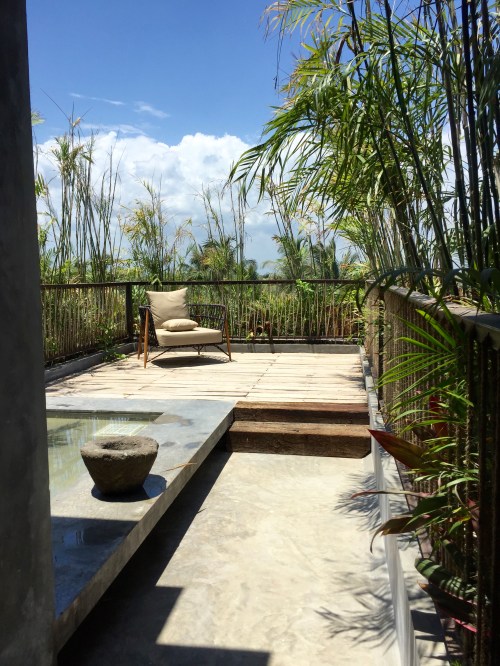
Our little haven off of our room at Be Tulum.

Gorgeous, stylish rooms at Be.


Every morning we received an amazing basket of breads, including croissants, “Mexican” bread (as I call it because I don’t know if it has a particular name), rye and sweet breads. While I generally shun gluten, I admit I relished the morning gluten fest. The bread in Mexico has a certain something about it, which I find irresistible.

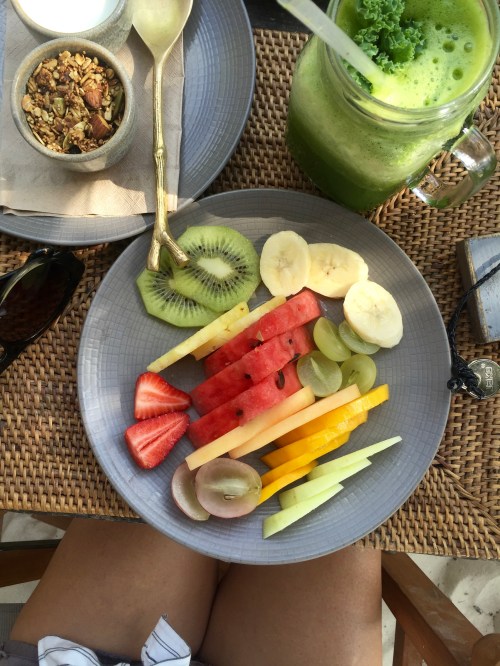
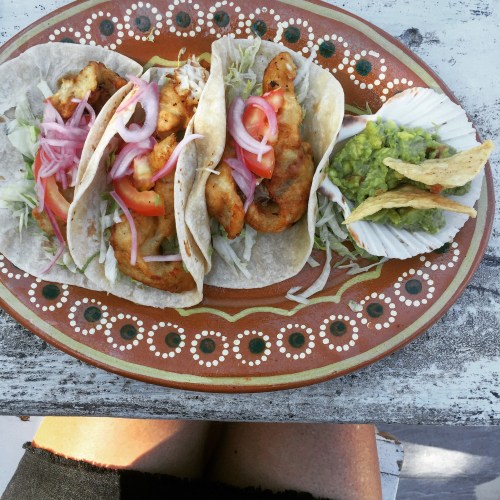
We also received an incredible assortment of fruit along with granola and yogurt. In fact, after we had polished off the bread and fruit, we were always left wondering why we bothered to order other dishes like chilaquiles, omelets and pancakes. After breakfast, we had to roll down the sandy slope toward the part of the beach which housed the cabanas, where we slept off the big morning meal or read until lunch. And speaking of lunch, I always wondered how many days can one really eat tacos. And in truth, nearly every day–at least once a day.


One day we hired a boat to take us through Sian Ka’an, the nature preserve just a short drive past the hotels and resorts. That’s where we saw a family of manatees that swam up close to the boat out of sheer curiosity. We also saw a crocodile through the mangrove branches, but as I only had my iPhone on me at the time, I wasn’t able to get a decent pic. In the preserve, our boatman dropped us off on the side of one of the mangrove-lined channels, and led us over a 500-meter (roughly) raised wooden walkway to another channel in which fresh water flowed. It flowed fast enough that there was a decent current, so we donned life vests and literally floated through the channel several kilometers after which our boatman was there to meet us. It was an incredible experience I can’t recommend enough!

Snorkeling in Yal-Ku Lagoon.


On another day, we explored one of the many cenotes (natural pits, or sinkholes, resulting from the collapse of limestone bedrock that exposes groundwater underneath) in the area. Most of the cenotes are filled with fresh water, but cenotes can have salt water as well. Yal-Ku lagoon in Akumal, just a short drive from Tulum, is a gorgeous salt-water cenote. There are incredible rock formations, underwater caves and channels, and numerous varieties of tropical fish. The biggest parrot fish I’ve ever seen were in Yal-Ku. We had a great snorkeling experience there, but I recommend going early when there are fewer tourists and swimmers around. The most famous cenotes in the area–Grand Cenote and Casa Cenote, are on the top of our list for our next visit to Tulum.

Tulum Ruins near Akamal.

We also visited the Tulum ruins just outside of Tulum. Right on the edge of the ocean, they were well worth the short drive and confusion over where to buy tickets. Note: Don’t stand in line to get your tickets from a person, go to one of the two tickets machines on the left before the long lines of people waiting to talk to a ticket agent, and use your credit card. It will take you 2 minutes instead of 20.

We chose not to visit the famous Chicheniza ruins–approximately a 2.5-3-hour drive from Tulum, out of sheer laziness and because we found the Tulum ruins pretty impressive in their own right. However, we might stretch our horizons next time we visit as Chicheniza is supposed to be pretty spectacular.

We heard great things about the Monkey Sanctuary (also just outside Akumal), but we were too late to join a tour the day we went there, and too short on remaining days of our trip. If you plan to visit the area, have your hotel book a tour for you in advance. Sadly, the only monkey we saw was a dead one on the side of the road as we drove from the airport to Tulum.

If you have the chance to visit Tulum, take it. It won’t disappoint. Just a simple 1.5-hour drive from Cancun Airport, it feels like another world. Just remember to say “hello” to the monkeys and parrot fish for me.

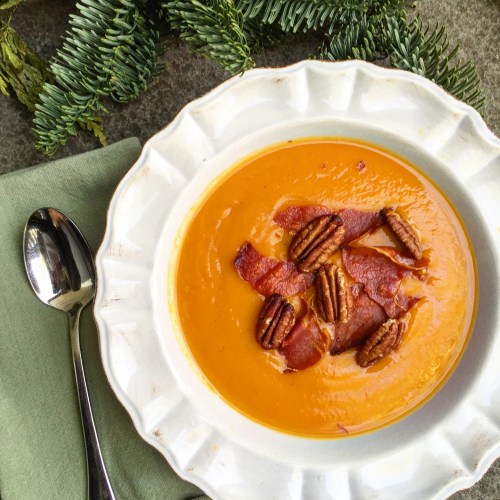
Sweet potato soup


I consider sweet potatoes a near-perfect food. I know they’re considered a starch, and those trying to lose weight might avoid them, but they’re full of so much goodness. They’re rich in fiber, and they’re one of the best sources of beta-carotene– for Vitamin A. You can do just about anything with them. For example, you can turn them into fries or use them in pies (hey, that rhymes!). Bake them in tarts and brownies. Serve them on the side of meat dishes. Roast them and use them in salads. Use them in soups or in place of regular potatoes for your breakfast hash. The list goes on and on.

I think I serve sweet potatoes at least 2-3 times each week in my home. We all love them, and I’ve convinced the kids that the more color they have on their plates, the better off they’ll be. So the kids welcome the sweet potatoes I serve them in any form.

We have endured a particularly wet winter here in Northern California, and that means less time outside and more time inside, hunkered down, trying to avoid growing webbing between our fingers and toes. That also means more warm soups to stave off the damp chill.

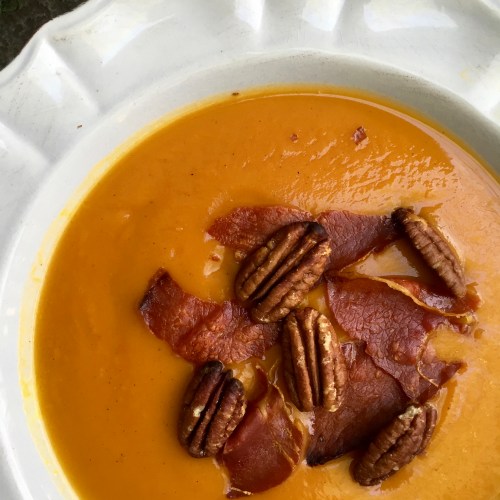
I love this recipe because it’s super easy to prepare (my number one criteria most of the time!), tasty and comforting. I like to top it with toasted prosciutto and toasted pecans, but you could easily sub a vegetarian or vegan option. I’ve also topped this soup with spiced, toasted pepitas  (see my recipe here). Of course, you don’t have to garnish your soups at all, but I think it’s nice to have a contrast of textures when you’re making a super smooth soup. This recipe serves 4-6 depending on whether you’re serving it as one of several courses or whether it’s the main attraction.


Ingredients

1 small red onion, skin peeled and chopped

2 cloves garlic, peeled and finely chopped

1 tbsp extra-virgin olive oil or avocado oil

1 tbsp ghee

2 medium-size sweet potatoes, peeled and cut into 3/4-inch cubes

3-4 cups chicken or vegetable stock

2 bay leaves

1-2 tbsp maple syrup

3/4 tsp ground cinnamon

Sea salt

3-4 slices of prosciutto

1/3 cup pecans


Preparation

Heat the oil in a medium saucepan over medium het. Add in the onions and garlic and a pinch of salt. Cook, stirring occasionally until the onions soften. Add in the sweet potatoes. Pour in enough stock to cover. Submerge the bay leaves. Tap in the cinnamon. Turn up the heat; bring to a boil, then cover and simmer until the sweet potatoes are fork tender (25-30 minutes).

While the soup is simmering, place 3-4 strips of prosciutto and the pecans in a shallow baking dish and cook in a toaster oven (if you have one) on the “toast” setting or regular oven on broil until crisp. Be careful not to let it burn! The high fat content make both susceptible to burning.

When the sweet potato is cooked through, remove the bay leaves. Puree the mixture using a high-powered blender (like a Vitamix) or a good immersion blender, adding a bit of warm water or more stock if you think the consistency is too thick. Stir in the maple syrup and 1 tsp salt. Taste and adjust seasoning, to your liking.

Pour into bowls, and garnish with crumbled prosciutto and pecans. Serve hot.

Enjoy!

Winter skin savers


dsc_5248


I don’t know if you’re experiencing an unusually tough winter like the one that’s been ravaging Northern California since last November. Even though the temperatures continue to hover above average, the insane amounts of rain falling on my area means fewer days outside, and more time spent inside with heaters blowing. As a result, my skin is noticeably drier and overall more sensitive. (Undoubtedly my skin is also drier due to my advancing years, but that’s another topic for another time.)

While I still haven’t embraced the oil cleansing technique using plain coconut oil, I do understand the science behind it, and I agree with many beauty experts that oil is the best and gentlest way to cleanse and moisturize your skin. Of course, human skin responds better to some oils than others, so I recommend always using plant oils over unnatural oils, such as mineral oil which is derived from petroleum products. Most people with mature and/or very dry skin seem to do well with pure coconut oil as their cleanser. If you’re like me with regular oily patches and prone to breakouts, something gentler and lighter like almond or sesame oil works well.

That said, because I’m a product junkie, I like to use products someone else makes for me to–including my oil cleanser. (As always, I only use all-natural products free of parabens, petroleum-based ingredients, phthalates, glycols, and other irritating, hormone-disrupting or toxic ingredients.)

dsc_5252dsc_5250


My favorites right now are Marie Veronique Replenishing Oil Cleanser and Weleda Soothing Cleansing Lotion/Almond (shown above). For nighttime moisturizing, I love Marie Veronique’s Rejuvenating Night Oil (also shown above). Like all MV products, it smells amazing, is completely natural and free of any toxic ingredients, and it absorbs beautifully. You can apply it over your other serums or treatments, such as retinoids and Vitamin C serums.

dsc_5251


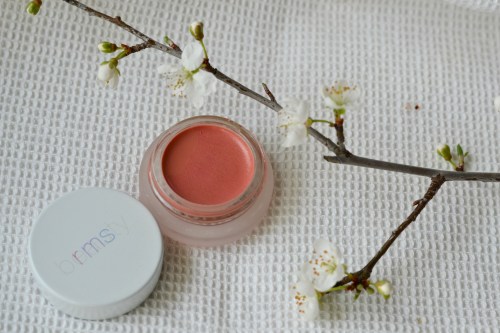
Protect your lips with one of RMS’s tinted lip shines. They’re super moisturizing and completely natural and non-toxic as well. I like the shade “Honest,” (shown above) because it gives a subtle bit of peachy-pink color, which helps gently brighten the winter pale face most of us have right now.

You can moisturize your body with coconut oil as well, or if you’re bothered by the slightly greasy feel you get after applying, simply melt some in between your palms with your regular lotion. You can also use coconut oil to moisturize dry locks by either massaging some into hair and scalp at least 20 minutes before you shampoo, or by working a small amount into the ends of your hair before or after you’re doing styling it.


Happy moisturizing!

dsc_5190dsc_5186img_6207


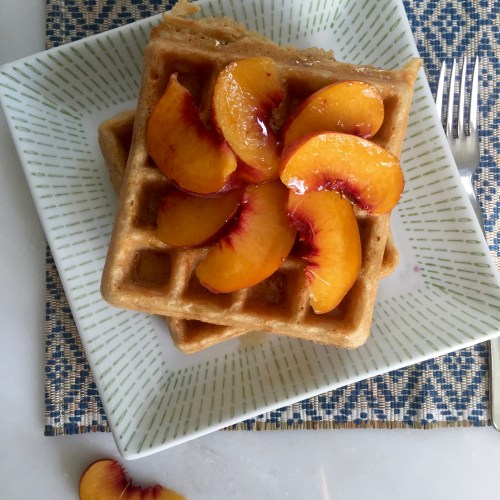
What do you do when your beloved waffle iron suddenly has an identity crisis, and can’t decide if it wants to be a cool iron or a smoking hot iron? You turn your beloved waffles into pancakes naturally.

Seriously, the first time I realized my cherished waffle iron had serious problems, I was in a hurry and decided to make pancakes from the waffle batter just so I wouldn’t have to waste all those good ingredients. However, we love our “waffle pancakes” so much that we regularly make them now. Granted, there’s nothing like the light crisp and chewy center of waffles, so even though I’ve titled this post “waffle pancakes,” you can use this batter in the waffle maker or skillet. (And truth be told, I haven’t replaced my waffle iron yet, because I secretly keep hoping someone will fix it for me.) The recipe is a slightly altered version of Brittany Angell’s “extra-crispy paleo waffles” recipe from her cookbook Every Last Crumb, which is a very valuable book if you’re following a paleo diet and love to bake.


Ingredients

3/4 cup almond flour

1/2 cup tapioca starch

1 tbsp coconut flour

2 tsp double-acting, aluminum-free baking powder

1/4 tsp salt

1/2 tsp ground cinnamon

1 large egg

1 tsp pure vanilla extract

3/4 cup dairy-free milk

1 tbsp coconut sugar

3 tbsp coconut oil, melted and cooled slightly*

1 tsp apple cider vinegar

*Increase to 1/4 cup if making waffles


Preparation

In a medium bowl, whisk together the flours, baking powder, salt and cinnamon. Add in everything else except the oil and vinegar. Whisk until smooth. Slowly whisk in the oil, followed by the vinegar. Let stand for 5 minutes. Add a little more milk if the batter isn’t runny enough to pour.

Heat your skillet or waffle iron. Brush your iron or pan with oil, and pour the batter into 4-inch rounds or into your waffle maker. Cook until light golden brown on both sides.

Top with fresh berries, compote and maple syrup.

Enjoy!


img_7835


Golden tumeric milk


OLYMPUS DIGITAL CAMERA


Happy New Year! I hope your holiday–no matter how you celebrated it, was merry and bright, and that you’re looking forward to embracing a new year.

Depending on how you lean politically, you may feel a bit of dread as you look to this new year. Or you may feel the pressure to make big plans and set high goals for yourself. We expect so much of ourselves these days–much more than other people expect of us if we stop and really think about it.

Lately, I have been chastising myself for not posting more recipes or product recommendations or summaries of scientific findings. But between caring for my children and serving as the interim executive director of my foundation (link), I haven’t had time for any of it except snapping off photos of some of my meals and daily adventures.

When the new year rolled around, my first inclination was to set targets on how many posts I should publish, how many projects I should complete for the foundation, how many miles I should run weekly, etc. But after some careful thinking, I decided that what my main goal should be is to slow down, ease up, be gentler on myself and more present in the lives of those I love. The “shoulding” is a slow killer. We are not superhuman–none of us.

I don’t want to appear sexist, but the “shoulding” problem appears to affect women more than men. If men do only one job, and they do it well, they are often generally satisfied with themselves. But women seem more prone to setting unrealistic targets across multiple areas of their lives, and this isn’t healthy or sustainable. The woman you may know who raises perfect, well-adjusted kids, stays amazingly fit, produces incredible creations from her kitchen, runs a company, serves on a bunch of non-profit boards, and stays up to date on current affairs, is paying the price in some way. Maintaining that level of achievement and busy-ness takes its toll. We are all just human, and the day holds only so many hours.

Doing too much makes us prone to all sorts of health problems that can present in an immediate and obvious way, like a cold or flu, or slowly wear down our defenses, making us vulnerable to more serious illnesses.

So during this winter season (at least for those of us living in the Northern Hemisphere), when you suddenly think of one more thing you could/should be doing, stop. Make a cup of tea, take a leisurely stroll through your neighborhood, read a fun article in a meaningless magazine, and slow yourself down.

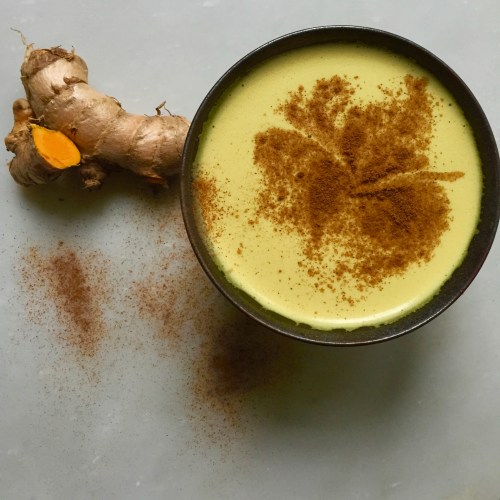
While the rain and snow do their thing outside your window, try making golden tumeric milk. It will warm and nourish your body and boost your immunity. Tumeric contains curcumin, a very strong antioxidant with powerful anti-inflammatory benefits. In fact, a friend told me over the holiday, that she was able to avoid a costly surgery for her elderly dog, after the dog tore its ACL, by feeding it high doses of curcumin, glucosamine (cushions bones at joints) and hyaluronic acid (collagen building).

This milky tea takes minutes to make, yet has lasting benefits. Depending on where you live, you can buy fresh tumeric from your natural grocer.


Ingredients

1 cup almond or other non-dairy milk

1 thumb-size piece of fresh tumeric, peeled and roughly chopped

Several grinds of fresh-ground pepper*

1 tbsp maple syrup or sweetener of your choice

1 tsp pure vanilla extract

A healthy pinch of ground cinnamon

*Whether you’re making tumeric milk or taking tumeric supplements, make sure you eat black pepper at the same time. Black pepper contains piperine which significantly increases (2000%!) the absorption of curcumin. Curcumin is also fat soluble so always consume it with a meal or a drink like this one that contains healthy fats.


Preparation

Put the first three ingredients in a high-powered blender, such as a Vitamix, and blend until deep gold in color and frothy. Pour the milk mixture into a small saucepan and heat just until hot. Do not boil. Remove from heat and stir in the maple syrup, vanilla and cinnamon. Pour into your favorite cup and sip away.

Enjoy!


tea1

caesar-5caesar-1img_6976


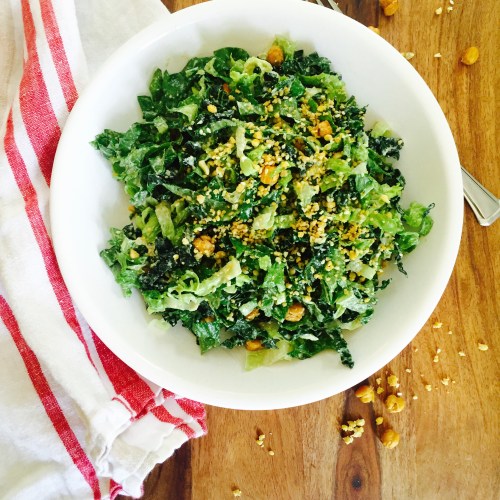
I’ve loved caesar salad since my days wearing Sears Toughskin jeans and saltwater sandals. But the high calorie count with minimal nutrition of conventional caesar salads started to severely limit the number of appearances the salad has made in my life over the past couple decades… Until now.

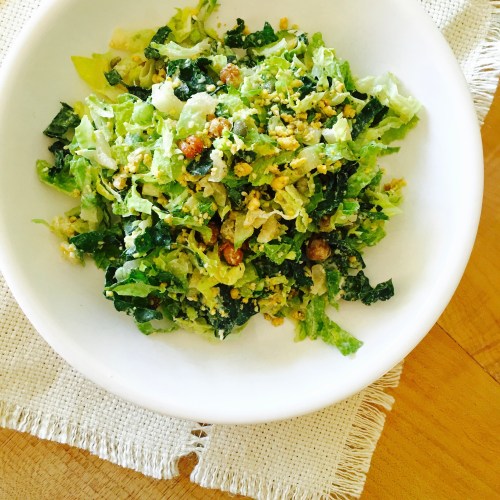
This kale caesar salad is my new obsession. I first stumbled upon the salad at a local juice shop, Urban Remedy. I immediately fell in love with their vegan caesar salad, but couldn’t stomach the price or all the plastic packaging they serve the salad in (and the dressing, and the chickpeas, and the “cheese”), so I decided to figure out how to make my own version.

This salad contains the best of everything–crunchy romaine with the added heartiness and health benefits of raw kale, fiber and protein packed roasted chickpeas instead of nutrition-empty croutons from bread, a delicious and creamy caesar dressing that doesn’t use egg or dairy, and “faux parmesan” cheese.

I eat this salad at least three times a week now. It’s so delicious, tastes rich, never gets dull, and gives me a big boost of energy without making me feel too full, ever. It takes a little work to get the various components ready–like roasting the chickpeas and making the dressing, but once you do, you can store the extras in airtight containers in the fridge and prepare future salads in just minutes.


Ingredients*

Greens:

4-5 kale leaves, washed, ribs removed, and chopped into 1/4-1/2-inch strips

4-5 romaine lettuce heart leaves, washed and chopped into 1/4-1/2-inch strips

Chickpea “croutons”:

1 can chickpeas/garbanzo beans (I like this brand)

3/4 tsp ground cumin

1 tbsp extra-virgin olive oil

1 tbsp fresh lemon juice

Parmesan “cheese”:

1/4 cup raw cashews

1/4 cup raw hulled hemp seeds

2 tbsp sesame seeds

2 tbsp raw hulled sunflower seeds

2 tbsp extra-virgin olive oil

1 1/2 tbsp nutritional yeast

1 tsp garlic powder

1/2 tsp sea salt

Caesar dressing:

2 tbsp capers (vegan version) or 7 anchovies (jarred)

1 clove garlic crushed

5 tbsp lemon juice

1 tsp worcesterhire

1 tsp Dijon

1 cup raw cashews

1/2 tsp salt

1/2 tsp pepper

2/3 cup olive oil

filtered water to thin

*The ingredients are for a salad for 1-2 people, but the dressing will make enough for 5-6 salads depending on size and how dressed you like your salads.


Preparation

Preheat the oven to 375F (convection, if you have it).

Rinse and drain the chickpeas in a wire mesh colander. In a bowl, toss the chickpeas with the cumin, 1 tbsp extra-virgin olive oil, and a pinch of salt. Spread the chickpeas out on an edged cooking sheet and roast for 10-15 minutes or until they start to brown nicely. Set aside and allow to cool.

In a food processor, pulse together 1/4 cup cashews and the seeds from the “cheese” ingredients until coarsely chopped. Toss together with the remaining “cheese” ingredients and set aside.

In a food processor or high-powered blender, combine all the ingredients for the dressing except the water. Slowly add in a little water at a time to get a consistency you like. I like mine very thick, but you want to be able to toss the salad with the dressing and not have it stick in a lump.

Put the greens in a bowl, add in a little dressing and toss to coat. Taste and adjust amount of dressing as desired. Add in a handful of roasted chickpeas and a couple tablespoons of “cheese” per serving, and toss to coat. Serve immediately, although I find a good tossing helps soften and “break down” the kale, which I like.

Happy eating your greens!


img_6806img_6481


loaf3loaf5loaf6


Since I typically avoid gluten–based on everything I know about it, I really want my kids to reduce their gluten intake as well. As you know if you’ve ever tried, keeping gluten out of kids’ worlds is a difficult task–particularly if your kids don’t have any actual, obvious gluten sensitivity. Gluten abounds, and it’s what gives so many baked goods the “glue” that gives them just the right texture and chew.

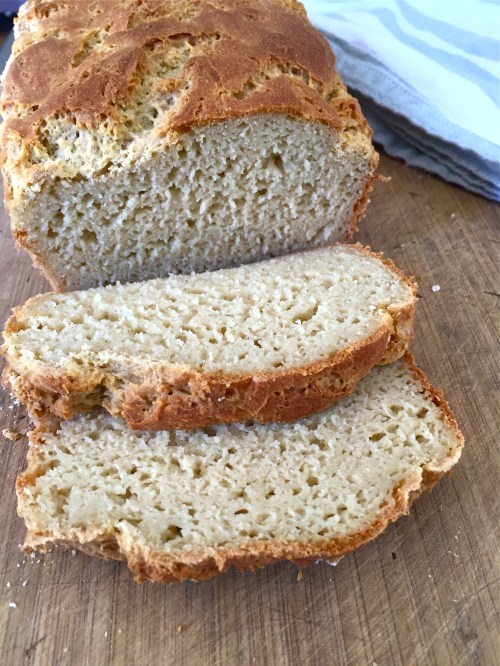
I have been on the hunt for good gluten-free sandwich bread for years. I have tried all the usual brands in my natural foods store, and they’re all bland, too gummy and too dry. I persisted for about a year, but eventually gave up and switched to a nine-grain sourdough as the lesser of the evils. However, I reinvigorated my search about 6 months ago–this time, not bothering to look in stores, but instead looking for a recipe I liked so I could make my own gluten-free sandwich bread at home.

I tried several Paleo bread recipes, but most used a cup or more of cashew butter, which simply makes for an outrageously expensive loaf of bread and subsequently outrageously expensive sandwiches. Then I tried several non-Paleo, gluten-free sandwich bread recipes, and after tweaking one several times, decided that this is my favorite.

It’s surprisingly easy to make, uses yeast which makes the house smell soooo good, and delivers a great sliceable, toastable loaf of bread that my children recognize and appreciate as sandwich bread.

This recipe is adapted from ALittleInsanity.


Ingredients

1 cup almond milk

½ cup water

2 tbsp honey

2½ teaspoons dry active yeast

2 cups gluten-free all-purpose flour (I like Bob’s Red Mill 1 to 1 Baking Flour)

3/4 cassava flour (I like this brand)

1/3 cup coconut flour

4 teaspoons baking powder

1 teaspoon Salt

2 teaspoons apple cider vinegar or lemon juice

¼ cup plus 1 tbsp extra-virgin olive oil

2 large eggs

* the original recipe called for 1½ teaspoons Xanthan Gum, but since some people are sensitive to it, I do not add more.


Preparation

Oil and flour a 9×5-inch loaf pan. (I like to use a Pyrex pan because I find it bakes more evenly and cleans beautifully.)

Pour milk and water into a medium saucepan. Heat over medium low until warm to the touch–not hot or cold. Stir in honey then sprinkle yeast over the mixture. Set-aside and let proof for about 10 minutes.

In a medium bowl, combine flours, baking powder and salt.

In a large bowl, whisk eggs until pale yellow. Whisk in oil and cider vinegar (or lemon juice). Pour in the milk/yeast mixture and whisk to combine. Add in the flour mixture and stir until combined, then stir for another 30 seconds until the mixture is smooth. (It will be very sticky.)

Using a spatula, spoon the batter into your prepared loaf pan. Wet your fingers and smooth the top a bit (not necessary, but it makes a better looking loaf).

Preheat your oven to 375 degrees.

Let the mixture proof/rise until it’s approximately double in size (20-30 minutes depending on your room temperature.) be careful not to let it rise above your loaf pan. Gluten free breads do not maintain their structure and will flow over the pan or collapse if left to over-rise. Note: My kitchen never seems to maintain a reliable temperature for allowing bread to rise, so I turn my oven on to 475F, and stick my loaf pan full of “dough” in the microwave above above my regular oven. There’s just the right amount of heat to enable the mixture to double in size in 15-20 minutes, after which I turn the heat down to 375F and pop the pan into the regular oven.

Bake for approx. 30-45 minutes. If the crust is darkening too quickly, cover it with foil (tent open ended) and return to baking until done.

Remove loaf pan from oven and let cool for 5 minutes before turning out onto your cooling rack. Allow to cool completely before slicing.

Enjoy!


loaf1


cake-horizcake-tallcake-above2

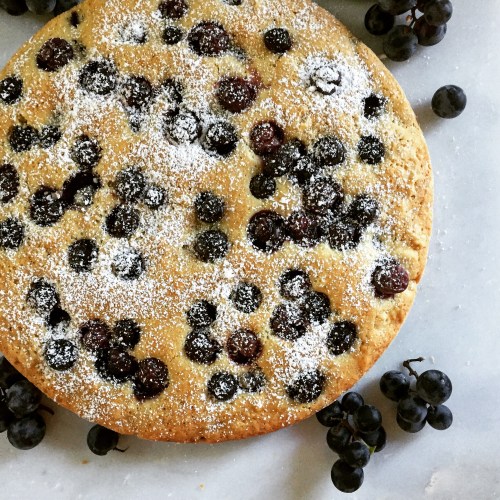
I’ve been promising–at least on Instagram, to share the gluten-free version of my Winemakers Cake (see original recipe here). It’s all I’ve been making lately because it’s super easy and fast to prepare, looks nice when serving to guests, and I especially love that it’s gluten- and dairy-free since I avoid both most of the time. In fact, I like the gluten-free version so much that I’ve been favoring it over the original recipe on most occasions. The crumb seems a bit more delicate even though the gluten-free version doesn’t rise as much as the original recipe.

My local grocer keeps stocking Thomson grapes, too, which is the preferred grape for this cake, and it really feels like an “Indian Summer” dessert–lightly sweet, not too rich or heavy and using the fruit of the season.

If you haven’t already tried this recipe, please do. I know you will love it–especially how easy it is.


Ingredients

2 large eggs at room temperature

1/2 cup evaporated cane juice

1/2 cup extra-virgin olive oil

1/3 cup full-fat coconut milk or good-quality almond milk

1/2 tsp pure vanilla extract

1 cup gluten-free all-purpose flour*

1/2 cup almond flour

1 tbsp coconut flour

3/4 tsp baking powder

1/2 tsp sea salt

Grated zest of 1 lemon

1/2 tsp almond extract

10 oz (about 1-1/2 cups) small, purple grapes**

Confectioners sugar for garnish (optional)

*I like to use Bob’s Red Mill “1 to 1 All-Purpose Gluten-free flour.”

**Thomson or Thomcord grapes work the best because they’re small and jammy in flavor. I’m sure this cake would taste delicious with other varieties, but I would avoid using the more common green or red grapes.


Preparation

Preheat the oven to 350F.

Grease and flour a 9-inch springform pan.

Using an electric mixer, beat the eggs and sugar until thick and pale yellow in color, about 3 minutes. Add the oil, non-dairy milk, vanilla and almond extracts, and mix until blended.

In a medium-size bowl, mix the flours, baking powder and salt until thoroughly blended. Add the lemon zest, and toss to coat. Add the flour mixture to the wet ingredients and stir until blended. Set aside for 10 minutes to allow the flour to absorb the liquids.

Stir 1 cup of the grapes into the batter. Spoon the batter into the prepared cake pan and smooth out the top using a spatula or back of a spoon.

Place the pan in the center of the oven and bake for 15 minutes before sprinkling the remaining grapes over the top of the cake. Bake for an additional 35-40 minutes or until a toothpick inserted in the center of the cake comes out clean, and the cake has a nice light golden color.

Let cool on a rack for 10 minutes. Run a knife along the sides before releasing the removing the side of the springform pan. Serve at room temperature with a dusting of confectioners sugar. You can store the cake in an airtight container for up to 3 days.

Enjoy!


cake-above


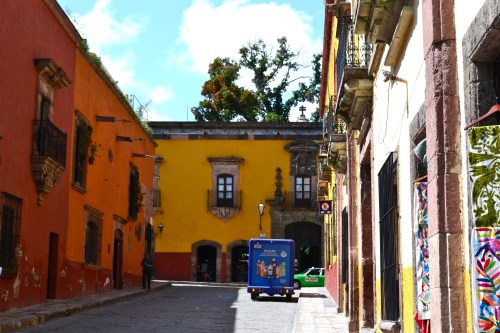
sma street2sma facadesma church2


You might be wondering where the food photos and recipes are, but along with wildlife, traveling is most decidedly my other great passion. As it happens, my family has done a lot of traveling this summer, and we’ve been lucky enough to visit some historically-rich and beautiful cities.

If you missed my post on Florence, please check it out here. Otherwise, take a minute or two to get at least a little familiar with the small but incredibly gorgeous town of San Miguel de Allende which lies 274km northwest of Mexico City. I had heard about it for years, and now wonder why I didn’t go sooner.

My husband travels to Mexico regularly for his work, and although it was very last minute, the kids and I booked to accompany him since it was the same week as his birthday. After spending a couple days in Mexico City, we hired a car to take us to San Miguel de Allende. It was certainly an adventure… Google Maps said the drive would take 3.5 hours, so we all looked forward to a little scenery, and a dip in the pool of our hotel when we arrived. Seven hours later… Yep, the predicted 3.5 hours turned into 7 hours. There is only one road between the two cities, on which a truck carrying some sort of fuel (gas or oil) crashed and spilled its highly flammable cargo. And unlike in the U.S., Mexico does not have a rapid response system set up to deal with such things, so they closed the only road between the two cities for hours. Based on the reports of others, it would have taken 10 or 11 hours that day, but we took matters into our own hands, and asked our driver to go off road in order to skirt the closure. Please be advised: this is not recommended!! When you leave the highway, you drive on narrow, unmarked dirt and rock roads through “rancherias,” which are entirely unpoliced areas considered very dangerous–particularly at night. We only took this desperate measure because we were losing our minds parked for hours on the highway, and because the SUV we were in happened to have “protective properties.”

Seven hours later we arrived in San Miguel de Allende, which is hands down one of the most beautiful towns, if not the most beautiful town, we have ever laid eyes on. Narrow cobblestoned streets are lined with buildings painted with rich colors of the earth–terra cotta, saffron yellow, burnt red. You see exquisitely-carved doors everywhere, and magical courtyards abound. Throughout the center of town you see Spanish colonial architecture, which greatly adds to the beauty of this small town. (In addition to being one of the most affluent cities in Mexico, San Miguel de Allende lays claim to the start of Mexico’s independence from Spain.) Beyond its physical beauty, the historic town boasts a thriving arts and cultural scene, and the food is phenomenal. In fact, the food is quite fancy, serving dishes similar to what you find in high-end NYC or San Francisco restaurants only using local ingredients. We actually bemoaned the fact we couldn’t find and didn’t have time to just eat some good and simple enchiladas or other “traditional” Mexican fare.

Another surprisingly aspect of the town was how lush and green it was. In fact, the entire area was incredibly green. It’s the rainy season now, but we were told it is green nearly year-round. And the rains come just in the afternoon for an hour or two–just enough to water all the vegetation and clean the sidewalks and streets. Very efficient.

One thing is certain… We will return to this memorable little town soon.

Happy sightseeing!

sma doorsma street3sma facade2sma lakesma dollssma church nightsma door2

Viva Italia!

View of Il Duomo from my sister's apartment.

View of Il Duomo from my sister’s apartment.


I just returned from Italy where I visited Florence and Rome to celebrate my mother’s 80th birthday.

Since I love traveling as much as I love food, I thought I’d share some of my pictures and experiences with you here.

I find it ironic–given I eat pasta maybe once every two years, that I ate paste every day I was in Italy. The pasta was so fresh and delicious, and there were so many types to choose from, that I never ran out of something new to try. Not only do the Italians offer so many different kinds of noodles, but they also prepare an incredible variety of sauces. I ate wild boar ragu, spring vegetables, pesto, bolognese, basic marinara, spicy sausage with “black cabbage” and vongole (pasta with clams)–the list goes on. Oh, and the fresh burrata! It was dessert for me. Of course, I also had to try the cannoli, the gelato and the tiramisu. Much to both my joy and horror, the hotel we stayed at just outside of Florence offered several tarts each morning as part of its large breakfast buffet. I tried to eat carefully and healthy–choosing sauteed mushrooms, eggs, fruit and roast tomatoes most mornings, but the tarts and Nutella-filled chocolate-glazed croissants called my name loudly each morning. And after all, I was on vacation!

Here are just a few photos of Florence–many of which will be very familiar if you’ve ever visited, along with some of the delicious food I ate (and appear to still be carrying around). If you follow me on Instagram, a few of the photos are repeated (sorry!). I will share photos from the rest of my trip in a subsequent post because I have so many I’m excited to share.
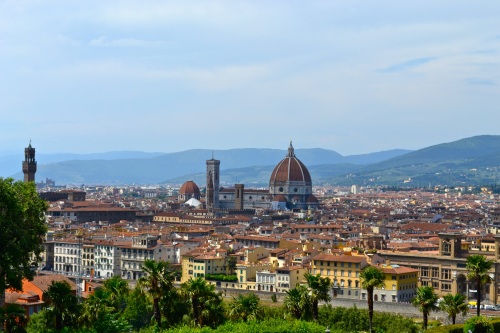
View over Firenze from the Piazzale di Michelango.
View over Firenze from the Piazzale di Michelango.

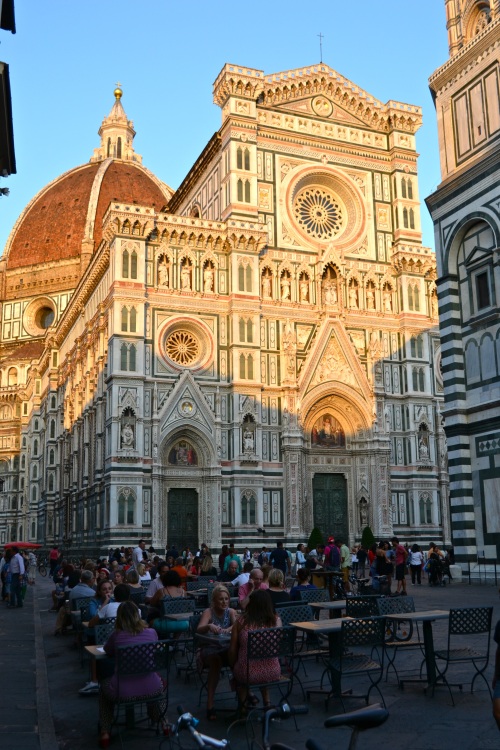
Il Duomo in the evening light.

Il Duomo in the evening light.

A church--unassuming from the outside, that we wandered into to escape the punishing heat outside.

A church–unassuming from the outside, that we wandered into to escape the punishing heat outside.

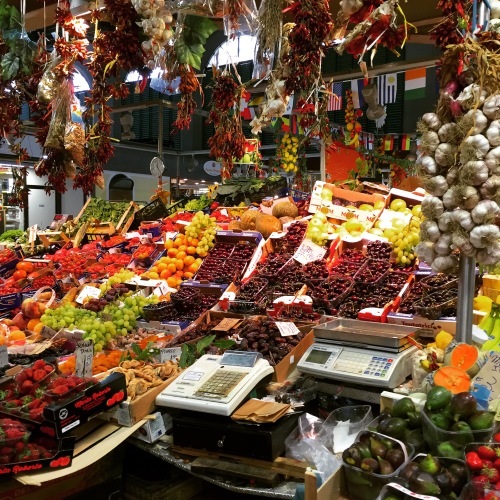
Florence's version of a farmer's market inside the Mercato Centrale.

Florence’s version of a farmer’s market inside the Mercato Centrale.

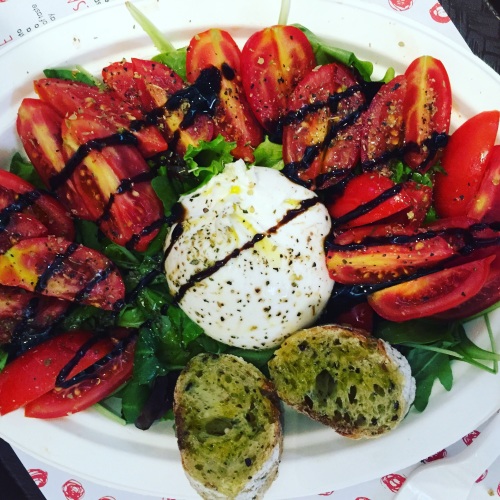
Tomatoes that tasted like candy with burrata.

Tomatoes that tasted like candy with burrata.

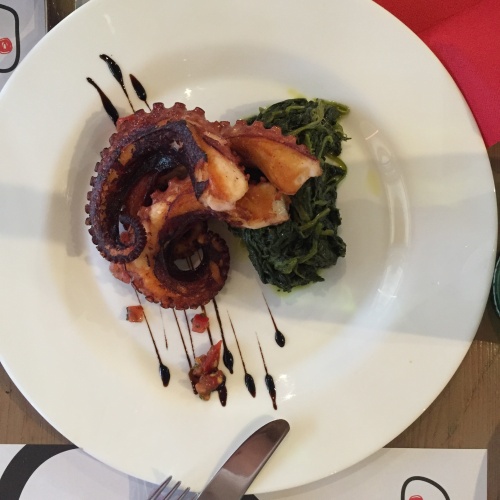
Perfectly roasted octopus on a bed of sauteed greens.

Perfectly roasted octopus on a bed of sauteed greens.

The most amazing little lunch place (Enoteca Tognoni) in the quaint town of Bolgheri.

The most amazing little lunch place (Enoteca Tognoni) in the quaint town of Bolgheri.

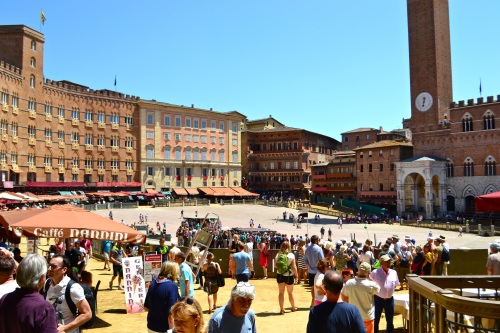
Lovely Siena the day before the Palio horse race.

Lovely Siena the day before the Palio horse race.

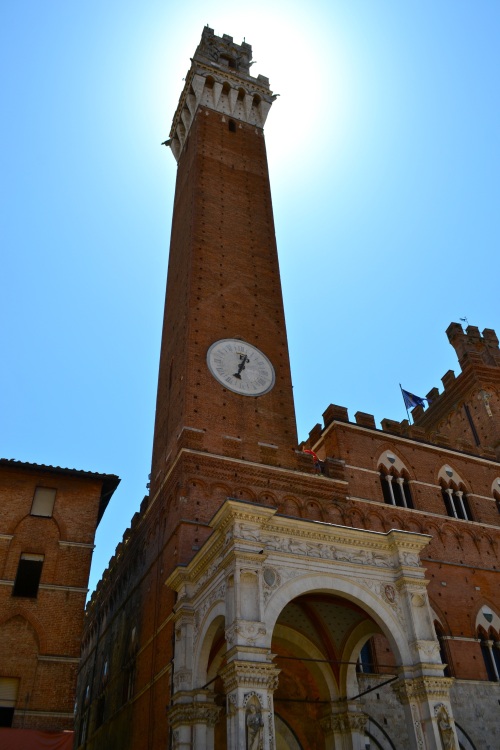
Siena's plaza tower.

Siena’s plaza tower.

A lovely Siena courtyard with frescoed ceilings.

A lovely Siena courtyard with frescoed ceilings.

Il Duomo in Siena.

Il Duomo in Siena.

Stripes!!

Stripes!!

Lunch at 4 Leoni in the Artisan quarter.

Lunch at 4 Leoni in the Artisan quarter.

Cooking Without Limits

Food Photography & Recipes

Selma's Table

Life doesn't have to be perfect to be wonderful - stories and recipes from a wonderful life...