Feeds:
Posts
Comments

My daughter eats pretty much anything we put in front of her–sometimes with a little coaxing, but my 2-year-old regularly refuses things he doesn’t recognize or simply doesn’t like at the moment (and there are many). As a result, I’m always looking for ways to get vegetables into that little body, and if I need to disguise the veggies, so be it.

The following is a highly-nutritious, easy to prepare marinara sauce that delivers a lot more than just tomatoes. It’s adapted from a recipe I originally made from one of Annabel Karmel’s cookbooks. I serve it over brown rice animal-shaped pasta or whole wheat shells, spirals or elbows.

Ingredients:

1 tbsp olive oil

1/2 yellow onion, chopped

1 garlic glove, crushed

1 small zucchini, sliced

1 medium carrot, sliced

1 handful (5-7) mushrooms (I use shitake, button or crimini), sliced

1 14-oz. can of tomato sauce or stewed tomatoes

1 rounded tsp brown sugar

2 tsp balsamic vinegar

1/2 tsp dried (or 2-3 sprigs fresh) basil

pinch of dried oregano

sea salt to taste

In a medium-sized saucepan over medium heat, saute the garlic and onion until soft. Add the carrots, zucchini and mushrooms and cook, stirring occasionally, for about 5 minutes. Stir in the tomato sauce, brown sugar, balsamic vinegar and spices. Cover and simmer for 15-20 minutes or until all the vegetables are soft. Blend until smooth.

You can easily divide it into equal portions and freeze for a quick future meal.

Happy eating!

OK, since a lot of people have been asking, here are my top picks for skin and hair care products. Keep in mind I have combination skin which under the California sun changes quite dramatically between summer (oily) and winter (dry).

I categorized my product picks as “steal” or “splurge” even though none of them is terribly expensive or anywhere close to the prices of some products, such as those by SkinCeuticals, La Mer, etc. I don’t believe you have to spend a fortune for natural, high-quality products. Besides, it’s good to pay homage to frugality during these economic times.

Steal

Splurge

Cleanser

Beauty without Cruelty (BWC) 3% AHA Cleanser, $10.99/8.5 fl.oz.

Duchess Marden’s Foaming Cleanser, $34/4 oz.

Exfoliant

(facial)

Avalon Organics Exfoliating Enzyme Scrub, $16.95/4 fl.oz.

Pevonia Special Line Gentle Exfoliating Cleanser, $25/5 oz.

Exfoliant

(body)

Queen Helene Organic Fair Trade Certified Cocoa Butter Body Scrub, $7/6 oz.

Reader input?

Facial toner

I’ve used Witch Hazel in a pinch.

Arcona Cranberry Toner, $32/3.67 fl.oz. or

Duchess Marden’s Pure Rose Water, $38.75/4.06 fl.oz.


Moisturizer

Juice Beauty Oil-Free Moisturizer, $28/2 oz.

Normal/Oily Skin:  Dermavita Perfecting Time, $27.95/1.7 fl.oz.

Normal/Dry Skin: Duchess Marden Damascena Face Cream, $57/2 fl.oz.

Eye Cream

100% Pure Acai Berry Antioxidant Eye Cream, $25/1 oz.

Jurlique Purely Age-Defying Eye Cream, $45/.05 fl.oz.

Hand lotion

Pure shea butter is great  at night or under gloves in the winter.

Weleda Skin Food, $17/2.5 oz.

Body lotion

Make your own (recipe coming soon to this blog) or

Griffin Remedy Body Lotion Orange Blossom, $7.99/8 fl. oz.

Jurlique Body Care Lotion, $38/10.1 fl.oz.

Bath Gel

Griffin Remedy Orange Blossom Natural Gel Body Wash, $7.99/8 fl.oz.

Jurlique Shower Gel, $22/10.1 fl.oz.

Time to pamper!!

Note: I haven’t included facial or body sunscreen here as I have already covered them in previous postings, link

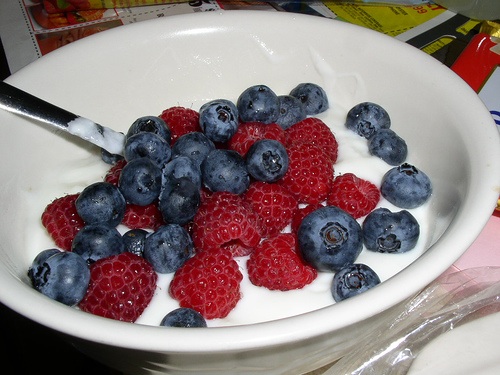
How to make your own yogurt

Making your own yogurt is super easy and has several benefits over store-bought yogurts: 1)It’s considerably cheaper; 2)You have complete control over its flavoring and how much sugar is in it; and 3)You don’t have to feel guilty about all those plastic tubs–recyclable or not.

To make your own yogurt you can buy an actual yogurt-making machine, or you can simply use a few items you probably already have lying around the house.

What you’ll need:

– Kerr canning or other glass jars with lids (2-4 depending on size)

– An electric heating pad

– A medium-size saucepan

– A candy/liquid thermometer

– 1 quart of milk (I use goat since it’s tends to be purer and is easier to digest)

– 2-3 tbsp. of plain (unsweetened) yogurt*

– 2-3 tbsp. powdered milk (optional)

*The plain yogurt serves as your starter. You may wish to experiment with your starter since the consistency (e.g., regular vs. Greek-style) and flavor will effect the batch of yogurt you are making.

Directions:

Slowly heat the milk in the saucepan until 180-190 degrees Fahrenheit. Set the pan in a bowl of cold/ice water until the temperature falls to about 115 degrees Fahrenheit. Stir in the 2-3 tablespoons of plain yogurt, and the powdered milk (the later gives a thicker consistency). Cover the pan with a lid or foil and place in a warm place where the yogurt will maintain a temperature of approximately 115 degrees Fahrenheit. (I set mine on a heating pad set on medium, and wrap a towel around the whole thing.) Let sit for 4-8 hours or overnight. Pour or spoon into the glass jars and refrigerate for at least 12 hours before serving.

You can flavor your yogurt with pure vanilla extract, maple syrup, honey or another sweetener, such as agave or jerusalem artichoke syrup.

Once you’ve made your first batch, make sure you reserve a couple of tablespoons for your next batch.

Happy spooning!

(Photo: Courtesy of Ashles, 2007)

Hurray!

As an update to my earlier blog, “The Best Natural Sunscreens for Kids,” the maker of my favorite sunscreen for adults has just released a sunscreen for kids.

Marie-Veronique–a mother-daughter team producing completely natural skincare in Berkeley, CA–is now selling Kids Safe Screen, SPF 25 ($24 for 2.7 oz). Just like her “adult” sunscreen products, this product uses non-micronized (i.e., non-nano) zinc oxide, which is considered the safest, most-effective broad spectrum blocking ingredient available. (Note: Marie-Veronique is a former chemistry teacher and her daughter is a physicist.)

Because it is brand new, I have just ordered a bottle and cannot comment on its formulation, application, etc. However, the Marie-Veronique Moisturizing Face Screen, SPF 30 ($40 for 2 oz), which I use daily, is by far the best natural sunscreen I have found (and I have tried nearly everything out there!). Regarding the later, it is quite liquid so you don’t need a huge dollop, and it leaves a elegant matte finish. There is a slight “casper” factor when you first apply it, but within 10-15 minutes (i.e., by the time I finish my morning routine and head to the kitchen for breakfast), it has completely absorbed.

I cannot say enough good things about this line, and can’t wait to try this new sunscreen for kids.

Safe sunning!

The next time you reach for that bottle of lotion, make sure you know what’s in it before you slather it all over your body.  After all, your skin is your largest organ. Hence much of what you put on it has the potential of being absorbed into your system.

Most of us are too busy to scrutinize every ingredient in every cosmetic or skincare product we use. Even if we had the time, for some, the task of learning the hundreds of potential ingredients—and  their possible dangers or benefits—is just too daunting.

And you’re not necessarily “safe” buying products labeled “natural.” Many products with “natural” or “botanical” in their names or descriptions contain potentially harmful ingredients. You might be surprised to know that currently there are no regulations on what products can be called. For example, products with “natural” or “organic” in their name may not contain many, if any natural ingredients. And products labeled “made with organic ingredients” may contain many unnatural, nonorganic and synthetic ingredients.

Even products certified “organic” require a closer look. Under the current regulations, a product can be certified “organic” even if not all of its ingredients are organic. Current regulations for “organic” labeling require that only 70% of the product must be organic. The rest can be just about anything. To date, the purest products are probably those that adhere to The Natural Standard for Personal Care Products. If you do have the time or inclination, educate yourself on the FDA’s Definitions of Organic and requirements for using the USDA Seal.

In the meantime, here is my list of the top 12 ingredients to avoid.

Sodium lauryl or laureth sulfate – These harsh and potentially irritating detergents are found in most drugstore hair care products and facial and body cleansers.

Parabens (Methyl-, Propyl-, Ethyl-, Butyl-) – These are perhaps the most commonly used synthetic preservatives found in all forms of cosmetics and personal care products. The EPA recently determined parabens cause questionable estrogen activity, and numerous studies have linked parabens to breast cancer and male reproductive disorders.

Oxybenzone – This common sunscreen ingredient enhances skin absorption which has raised issues of bioaccumulation in human tissue. Studies have also suggested it may be an endocrine disruptor and potential neurotoxin.

Hydroquinone – the FDA recently issued a warning regarding this commonly used skin bleaching chemical after it was determined it can cause a serious, disfiguring skin disease called ochronosis.

Formaldehyde – commonly used in nail polishes, formaldehyde is a known carcinogen, allergen and skin, eye and lung irritant.

Placenta – found in some hair care products, can give you an unwanted dose of hormones.

Lead – a potent neurotoxin banned by the government for use in gasoline and house paint, but still found in some cosmetic and hair care products.

Phthalates – These chemicals found in many plastics and products containing “fragrance” (e.g., many perfumes/colognes on the market) have been linked to infertility in men and developmental reproductive issues in baby boys.

Petroleum byproducts (petrolatum, mineral oil, paraffin) – To begin with, why would anyone want to put a product derived from the same source as gasoline on his or her face? In addition, these ingredients carry a high risk of contamination with cancer-causing toxins.

Phenoxyethanol – This is a known allergen and common irritant.

Imidazolidinyl urea – Has been linked to immune system disorders, specifically, skin sensitizing.

“PEG” and “-eth” – May contain toxic contaminants and studies have linked it to developmental and reproductive disorders.

Be well and happy shopping!

I recently attended a talk and cooking demonstration given by Diana Stobo, local author of “Get Naked Fast.” The little morsels that got passed around at the event were delicious and seemingly simple to make. I bought her book on the spot, and started cooking from it the very next day.

Because I believe in balance, and because I have heard too many theories suggesting an entirely raw food diet can be unhealthy, I have never considered going completely raw. That said, incorporating a raw food approach into your existing diet can only be good for you as far as I’m concerned. Not only is your body free from foods that are difficult to digest and potentially aggravating (e.g., animal protein, processed wheat, etc.), but you are virtually always guaranteed your body will receive all the recommended servings of fruits and vegetables and then some as well as an incredible range of nutrients.

In case you’ve never read up on it, a purely raw food diet typically consists of fruits and vegetables, sprouts, seeds, seaweed, nuts, beans and some grains. Food is eaten raw (i.e., uncooked, hence no animal or animal by-products, such as diary). It is believed that heating food above 116 degrees destroys a food’s “lifeforce” and the beneficial enzymes which aid the digestion and absorption of nutrients.

Diana doesn’t advocate going completely raw, which is what I like so much about her book. For example, she cooks her quinoa (which might later be cooked in a pancake), and her lentils. She appears to be much more about lightening the load on your digestion and your body as a whole.

The six or so recipes I have tried from Diana’s book are really tasty. Even my meat-eating, meat-loving husband agrees! And what I especially like about a more raw food diet is that in addition to feeling lighter, it actually curbs my cravings for naughty things, such as cheese, cookies and pies. It actually makes me–dare I say it–dread putting something in my mouth that I know will take hours and hours to digest.

I’m striving for a 30-50 percent raw food diet. Since I haven’t eaten mammals for the past two decades, scaling back on fish and fowl is easy. My biggest hurdle is baking less.

In case you’re looking to drop a few pounds before summer is fully upon us, you might consider modifying your diet slightly toward raw food. Because of its balanced approach, I highly recommend Diana’s book as a great introduction to raw. To order, go to http://www.dianastobo.com/.

(Note: My favorite recipes from Diana’s book are Portobello Mushroom Fajitas and Spicy Lentil Tostadas.)

Happy and healthy eating!

Before you reach for that can of air freshener, consider this.

Most products that contain “fragrance” (i.e., not specified from a natural source) contain phthalates, which have been linked to developmental and reproductive disorders. Synthetic fragrances also contain compounds that can aggravate asthma or trigger attacks.

Plug-in air fresheners, most of which contain phthalates, also emit formaldehyde a known carcinogen.

And in addition to containing flammable and nerve-damaging ingredients, most aerosol air fresheners contain tiny particles that can lodge in your lungs or bind with ozone particles that become carcinogenic.

When you consider most of us spend 65 percent of our lives in our homes and another 25 percent in some other indoor environment, protecting the quality of our indoor air is critical to our health.

If your home or perhaps a particular room needs freshening, consider opening the windows for a few hours, particularly just after it’s rained.

If you need a more immediate solution, consider making your own air freshener. It’s simple and very effective. I make one using distilled water, vodka and a blend of essential oils. It instantly eliminates any bad odor and smells great, too.  Just blend 2 oz each of distilled water and vodka. Add 25-30 drops of essential oil. (I use peppermint, tea tree and bergamot or lavender.) Put it into a spray bottle and shake before using.

These muffins are moist, low in sugar and make a great afternoon snack or breakfast addition. I’ve been making them gluten-free as well as dairy-free, but you can make them either way with great results. While they may not be as healthy as carrot sticks and spinach dip, they’ll likely be more popular with your friends or family, and they pack a good amount of fiber, protein and Vitamin A.

1/3 cup sugar

1/4 cup coconut oil, melted

2 eggs

3/4 cup pumpkin puree (use 100% pure pumpkin puree–unsweetened)

1/4 cup coconut milk

1 1/2 cup flour (use whole-grain barley flour or a mix of barley and oat to maximize nutrition, or make gluten-free using 1 cup all-purpose gluten-free flour and 1/2 cup almond flour)

3/4 teaspoon baking powder

1/2 teaspoon soda

1/2 teaspoon cinnamon

1/4 teaspoon cloves

1/4 teaspoon nutmeg

1/4 teaspoon sea salt

1/3 cup finely chopped walnuts or pecans

1/3 cup semi-sweet chocolate chips

Preheat the oven to 400 degrees F (200 degrees C). Lightly oil a standard muffin pan (12) or mini muffin pan (24) or fill pan with muffin cups. Whisk together the first five ingredients in a small mixing bowl. Blend together the flour, baking powder, soda and spices in a medium bowl. Add the wet mixture and stir until just blended. Fold in the nuts and chocolate chips. Spoon into pan. Bake for 20-25 minutes (less for mini muffins) or until an inserted toothpick comes out clean.  Enjoy!

OK, for starters let’s admit I’m someone obsessed with sun protection. Perhaps it’s a genetic or cultural thing—after all, I am part Japanese (picture umbrellas on sunny days)—or maybe it’s just vanity. I tanned incredibly easily and frequently as a teenager and would get so dark I am unrecognizable in old pictures. Now due to a fear of cancer and premature aging, I lube up the kids before they step foot outside, and for more than a decade I’ve worn SPF 30 on my face every day, rain or sun.

But as you know, finding a safe and effective sunscreen can be a daunting task. Last year, after an extensive review of more than 1,700 sunscreens, the not-for-profit Environmental Working Group (EWG) determined that 85 percent of sunscreens on the market either inadequately protect against damaging ultraviolet rays and/or contain ingredients that are known or suspected to be toxic.

Below are my top picks for natural sunscreen products for kids based on personal experience as well as the detailed reviews of the EWG.

1. Badger Sunscreen SPF 30+ ($14 for 2.9 oz tube)
This non-nano* zinc oxide cream is my top pick because EWG gives it a very high rating, the price is good and it really protects. The consistency is thick and it does have a high “casper” factor (white cast), but most of it absorbs in, and quite frankly, I’m not concerned about the beauty factor with my kids.
2. Keys Soap Solar Rx Therapeutic Sunblock, SPF 30 ($32)
This nano-zinc oxide product protects well, leaves no white cast—because it has nano particles*–and comes in an easy to use “stick” form (similar to a deodorant stick). However, it’s a tad pricey.
3. Soleo Organics Sunscreen SPF 30+ ($17 for 2.6 oz)
I really liked this non-nano zinc oxide product. It has no casper effect and moisturizes well. That said, the company is relatively new and may have some quality control issues because the user reviews on Amazon are terrible (although it ranks high with the EWG). Another drawback, it seems as though the tube doesn’t last more than a few weeks during peak summer usage.
4. UV Natural Sunscreen SPF 30+ ($34 for 5.3 oz)
I haven’t used this nano-zinc oxide product for a year, but I thought it protected well and again, there is no casper effect because it uses nano technology. It was a tad greasy, but also moisturized well so I didn’t mind.

(Please note: All prices are approximate and may vary slightly by retailer.)

Several people encouraged me to include California Baby Sunscreen Lotion No Fragrance SPF 30+. I know many parents who love this product. However, I haven’t used it on my children for several years because it relies on titanium dioxide, which according to the EWG doesn’t provide full protection from UVA rays.

There are three more products I have yet to try, but I will do a follow-up to this article as soon as I do. All three are in the EWG’s top 10 from their 2009 study. They include:

  • Heiko 40 SPF Kids ($36 for 6.7 oz)
  • Loving Naturals SPF 30+ ($19.95 for 4 oz)
  • Thinkbaby Sunscreen SPF 30+ ($16.90 for 4 oz)

If you have tried one of these three products, I would love to share your feedback with others.

Now go out and soak up the sun!

*Nano technology is controversial, and from what I understand, the jury is still out on whether we should fear them. Stay tuned for a separate article capturing the latest information and opinions. For now, I’m paranoid enough that I use only non-nano formulations on myself and my children.

These pancakes are quick and easy to make yet they’re substantial. My whole family loves them, and because they’re a great source of protein and fiber, we feel good about eating them, too.


Ingredients

3/4 cup regular or quick rolled oats

1 cup buttermilk (most are only 1% milkfat)

2 heaping tbsp ground golden flaxseed

1/2 teaspoon baking soda

1 pinch of sea salt

1 tsp pure vanilla extract

1/2 tsp ground cinnamon

1 large organic egg


Preparation

Mix the oats and buttermilk in a small mixing bowl. Let stand for 5 minutes. Add in remaining ingredients and stir until blended. Let stand for another 2-3 minutes.

Pour onto a buttered medium-hot griddle (preferably cast iron) and cook until golden on both sides. Serve with fresh fruit and/or maple syrup.

Note: The recipe above makes 6-7 4-inch pancakes. It’s easy to double or triple the recipe as needed.


Cooking Without Limits

Food Photography & Recipes

Selma's Table

Life doesn't have to be perfect to be wonderful - stories and recipes from a wonderful life...