Feeds:
Posts
Comments

Archive for the ‘Tips’ Category

Our daughter marveling at the famous rock at Playa de Balandra outside La Paz.

Our daughter marveling at the famous rock at Balandra.

I haven’t posted for over a week because we went to Baja during the kids’ spring break week where we forced ourselves to unplug, or as the case often was, couldn’t “plug in.”

In honor of Earth Day, here are some photos from our trip to the Sea of Cortez in Baja Mexico. You might wonder what Baja has to do with Earth Day, but read on.


Fifteen years later, still one of my favorite places in the world.

Playa de Balandra outside of La Paz, Mexico.

Our deserted beach.

Our deserted beach.

When I tell people I went to Baja, they often think of Cabo San Lucas, but that’s not the Baja we visited (nor the part of Baja I’d want to visit). We spent the first few days up and around the town of La Paz, about a 2 1/2-hour drive from San Jose del Cabo. I used to visit this area years ago (about 15), before I met my husband and had children. It was nostalgic returning to this relatively sleepy university town, and while some of my favorite restaurants no longer exist (or at least I couldn’t find them), I was still in awe of the beauty of the area. Yes, my favorite beach–Playa de Balandra, has been discovered. It used to be you would find at most only a handful of cars in the parking lot, and ours would be the only rental car. Now, the lot fills up fast and you can rent umbrellas and kayaks and buy snacks right on the beach. But if you start walking or paddling, you can still find deserted beaches and remarkably clear waters teaming with sea life.

It was the first reminder that despite the fact countries are drilling deep into the bowels of our earth and pumping millions of gallons of toxic chemicals into the ground in order to extract natural gas, using plastic bags, bottles and packaging as if the earth can absorb and decompose all those things at the same rate they’re manufactured, utilizing toxic chemicals on farmlands that alter the reproductive systems of our most sensitive fauna and perhaps even ourselves and our children, there are places that still remain pure and relatively untouched.

From La Paz, we drove a small two-lane highway across the mountains and south, and then on a seemingly endless bumpy and twisting dirt road to an off-the-grid, eco resort a colleague had recently visited. Here was another example, proof if you will, that we can live on this earth without simultaneously destroying it. The Villa del Faro resort is powered by a solar-powered microgrid with a battery storage system. They buy organic produce and meat from a local farmer, and grow only native plants (e.g., cactuses, thorny ocotillo, etc.). Instead of one large building, the “resort” is comprised of several buildings nestled in the gently sloping hillside and separated by small areas of desert, further reducing the impact on the environment.


baja vdf2

View from one of the casitas at Villa del Faro, Baja Mexico.

View from one of the casitas at Villa del Faro, Baja Mexico.

I realize this posting might read like an advertisement for Baja, but this trip gave me hope that the earth will withstand our ravages against it. And even in a developing country with relatively minimal education and few laws protecting the environment, even with incredible population growth, there are people trying to set the right example by demonstrating how we can live, and often live well, off-the-grid and in balance with nature.

Happy Earth Day!


baja vdf


Read Full Post »

whitesAt first, I wondered if this posting would seem sexist. I questioned whether I’d be subtly implying that the majority of my readers (which are, in fact, women) should also be doing the laundry in their homes. But I reasoned the worry away since in the case of most of my friends, it’s their husbands that do the majority of cooking, and really, everyone should know how to do laundry right.

Back to the business of keeping whites bright, do you feel a bit bummed when you suddenly notice that your favorite white shirt is actually a very pale shade of gray? I know this annoys others as much as it annoys me. It may even annoy my husband as much as it annoys me. We all love buying a bright white shirt, be it a T-shirt or classic button-down. But soon enough, we notice that the bright white is gone and our garment is a little dingy-looking.

So what to do about it?

Do NOT reach for chlorine bleach! Not only is bleach terrible for our health and the environment, but it weakens and ultimately yellows fabric. A side note here about bleach: I’m still shocked by how many people continue to regularly use chlorine bleach. It aggravates asthma and asthmatic conditions, produces mustard gas (think World War I) when combined with ammonia–the key component of urine, and is deadly to all aquatic life. In fact, 25% of the calls received by the Poison Control Center are for incidents involving chlorine bleach or other products that contain chlorine. It truly has no place in our lives.

Instead, follow these basic steps to keep your whites looking brighter longer:

  • Only wash whites with other whites. Never wash whites with colors! The best defense against dinginess is to be very careful about sorting your colors. Even brights labeled “color-fast” or colored clothing you’ve had for a while will lose a little dye in the wash, which will quickly find its way to your white items.
  • Turn white jeans inside out before washing them.
  • Wash whites on warm… OK, in reality, washing your whites in the hottest water safe for the fabric will get them even whiter, but that’s just too un-environmentally friendly for me. I think washing whites on warm is justified. It’s not as energy-efficient as cold, but since it’s the only color that needs to be washed on warm, I say go ahead. You’ll be saving energy on the other side since you won’t need to buy new white pieces of clothing as often.
  • Pre-treat stains (particularly those around shirt collars and cuffs) with an enzyme-based stain remover before putting the article of clothing in the wash.
  • Use a gentle laundry detergent (my favorite is Method Free and Clear, because it’s safe for my family and for the environment!) and a booster, such as an oxygen whitening powder (also known as oxygen bleaching), never chlorine bleach (in case you missed the note above). You can also add 1/2 cup baking soda and 1/2 cup distilled white vinegar to your wash load.

To a brighter, healthier world (and wardrobe!)!

Read Full Post »

BPA bottlesDo you feel like the concerns over BPA have quieted down lately? Perhaps it’s because in July 2012, the FDA banned BPA from the manufacture of infant bottles and sippy cups. However, the FDA’s decision came after manufacturers of infant bottles and sippy cups had voluntarily stopped using the estrogen-mimicking chemical.


What exactly is BPA?

Bisphenol A (BPA) is an industry chemical widely used in the manufacture of polycarbonate plastics, which are used by nearly every industry. BPA is released into our environment in excess of 1 million pounds per year. Studies show that humans are mainly exposed through food packaging; think about all those water bottles and nearly every canned item on your kitchen shelf, including beans, tomatoes, soups, etc. Food packaging falls under the jurisdiction of the FDA.

BPA is a reproductive, developmental and systemic toxicant and is estrogenic. For these reasons, it’s of particular concern to children’s health and the environment. Studies have linked BPA–a known endocrine disruptor, to diabetes, breast cancer, obesity and hormone abnormalities in children.

The FDA, which originally declined to ban BPA in early 2012, has gone as far as to state on it’s website that the department has “some concern about the potential effects of BPA on the brain, behavior, and prostate gland in fetuses, infants, and young children.”

As a result, the FDA is currently conducting its own studies to better determine the risks of BPA. It also claims to be taking measures to reduce our exposure to BPA in the food supply. Sadly, these measures are only in support of actions the food industry has initiated on it’s own–very likely in response to public outcry. These measures include:

  • Supporting the industry’s decision to stop manufacturing baby bottles and infant feeding cups containing BPA.
  • Supporting the development of alternatives to BPA for the linings of cans of infant formula.
  • Supporting the industry’s efforts to minimize BPA levels or replace BPA in other food can linings.

Also on the FDA’s website: “Consumers can be assured that the FDA supports the strongest regulatory approaches to protect them from risks in the food supply, and will act swiftly to eliminate any individual product, ingredient or chemical that is determined to present a risk to the public health.”

Uh, I think not. If you’ve been following my blog since the beginning, you’ll remember my posting on the pesticide atrazine, another estrogenic chemical which studies show turn male frogs into female frogs and/or make them sterile. The EU banned atrazine in 2006, but the toxic chemical is still widely used in U.S. agricultural practices. (Note: the EU banned BPA from infant bottles in 2011, and is currently re-evaluating its assessment in light of new concerns.) Because the FDA still allows atrazine on our food crops, and because it banned BPA from infant bottles only after the industry had already voluntarily banned it, I have little faith in the FDA, acting “swiftly to eliminate any individual product, ingredient or chemical that is determined to present a risk to the public health.”In addition to being a large, bureaucratic regulatory body (i.e., slow to move and slow to respond), it’s also heavily-influenced by politics (i.e., the pharmaceutical industry, the agricultural lobby, etc.). The FDA’s current assessment is still that “the use of BPA in food packaging and containers is safe.”

Europe takes a much different approach to keeping it’s citizens safe. Since 2007, companies must prove their chemicals are safe, while in the U.S. the burden lies with the EPA. According to a California Senate review from 2010, the EPA has only tested approximately 200 of the 83,000 chemicals in its inventory.


Where else are you exposed to BPA?

All those slightly silky-feeling receipts from your favorite retailers and grocers likely contain BPA. A recent study published by the Journal of the American Medical Association found significantly higher levels of BPA in the urine of people that regularly handle store receipts (such as cashiers). And in a recent study commissioned by the Bay Area based Center for Environmental Health, a Texas lab found that nearly all of the 18 BPA-free toddler cups it tested leached synthetic estrogens–in some cases, more potent than BPA.


BPA receiptsWhat can you do to protect yourself and your loved ones?

  • Use glass or steel water bottles instead of plastic. If you continue to use plastic, make sure it’s BPA-free and avoid exposing it to radiation (microwave) and heat (dishwasher or direct sunlight).
  • Buy less processed, packaged food, including canned. (This step has too many health benefits to enumerate.) Buy your stewed tomatoes or tomato puree in a box carton not a can, unless it’s from one of the handful of companies who have banned BPA from their cans. These include: Native Forest, Eden Organics, Wild Planet, Oregon’s Choice, Eco Fish, Vital Choice and Trader Joe’s.
  • Don’t handle store receipts more than necessary.

Be well!

Read Full Post »

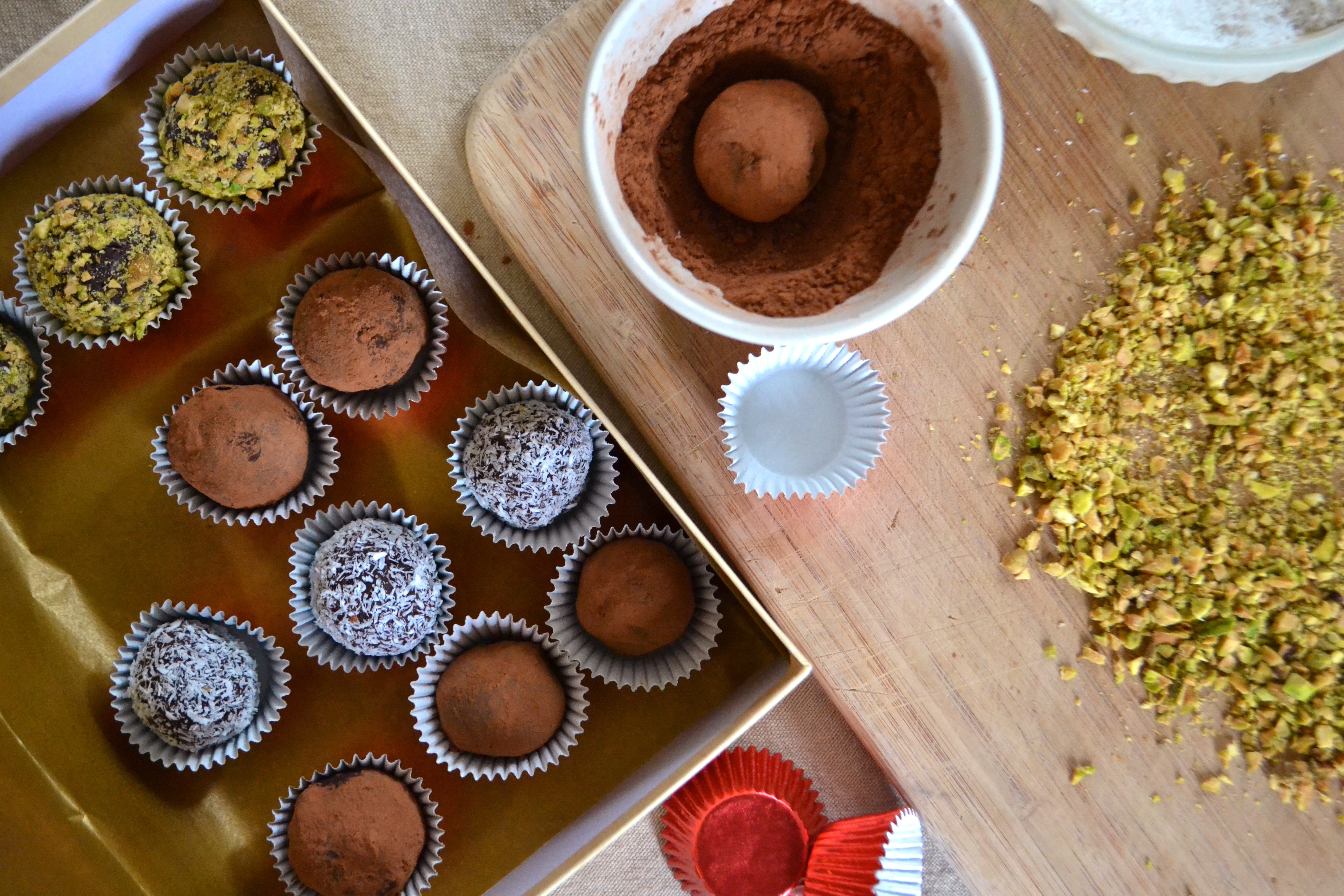
truffles closetrufflles aboveI think Valentine’s Day is a bit overdone here in the U.S. If you pay attention to the ads, they suggest every man should buy his wife or girlfriend a relatively pricey piece of jewelry to celebrate the day. Not only do I fear the idea of my husband having to personally select that much jewelry for me, (because if I’m going to own that much jewelry, I’d rather select my own pieces), but it also puts a ridiculous amount of unreasonable pressure on our nation’s menfolk!

As an American, I’ve accepted that every possible holiday or occasion is commercialized to the full extent possible, and then some. And although my husband and I try to make holidays fun and magical for our children, we try to reject a lot of the commercialization and focus on the true intent of the holiday.

Valentine’s Day doesn’t require a fancy gift or expensive dinner. It’s a day to recognize and celebrate love. Giving a card (especially a handmade or carefully selected card!) to a loved one is always special. After all, who doesn’t like to be reminded they’re being thought of? It can also be nice to share a sweet or special indulgence. Forget all the commercial candy currently stocked in stores. Nearly all is chock full of chemicals, the dreaded high-fructose corn syrup and artificial coloring. And if you can carve out an hour between now and next Friday, consider making or baking a little treat for your loved one(s). Your efforts will be greatly appreciated!

Dark chocolate truffles are super easy to make, present nicely, and feel very indulgent. I like to make my own, because on the rare occasion I buy them, I’m always rejecting a fair percentage of what’s in the box because I don’t like the sickeningly sweet fruit center they added or the unnecessary or excess milk or white chocolate they used (viewing anything but dark chocolate as a cheap, watered-down version of the real stuff). Truffles are also nice to have on hand at dinner parties when you’re serving a main dessert, such as a tart or cheesecake, that you’re not sure everyone will want due to dietary restrictions. These dark chocolate truffles are dairy-free and extremely low in sugar. In fact, one could easily argue that they have more upside (nutritionally) than downside–a very rare thing for “candy.”

Ingredients

8 oz dark chocolate* (at least 70 percent cocoa), chopped

1/4 cup coconut oil

1 tsp pure vanilla extract

Pinch of sea salt

1/4 cup cocoa powder, for rolling

Other toppings: finely chopped pistachios, hazelnuts or pecans, toasted unsweetened shredded coconut, etc.

* My favorite is Green & Blacks Organic Chocolate bars. They’re available in the U.S. and U.K. and probably a few other places by now. They are remarkably smooth with excellent flavor and no bitterness, even at the 85% cocoa level.

truffle blendPreparation

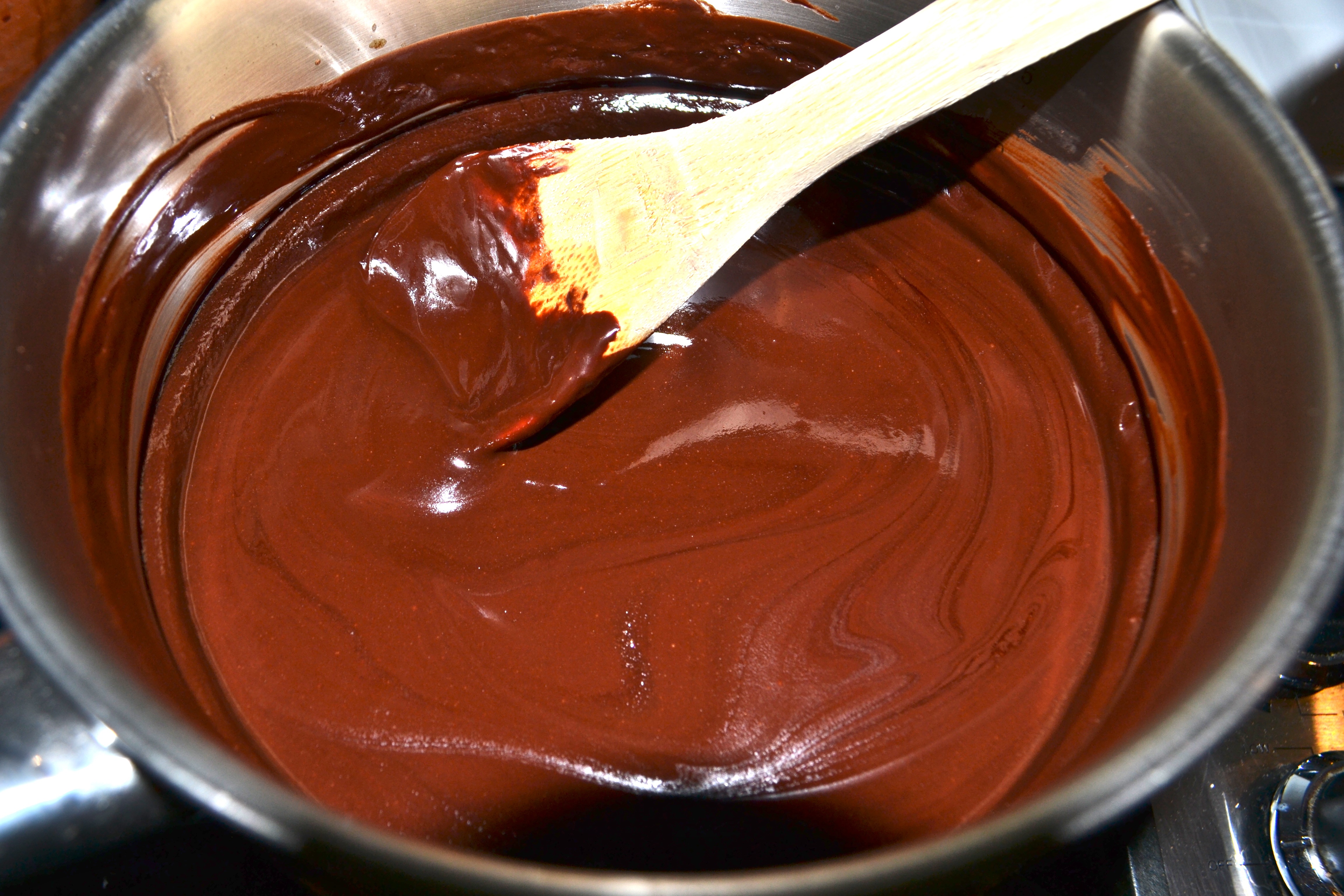
Heat chocolate, oil and 3 tbsp water in a double boiler, stirring until just melted. Remove from heat, add in vanilla and sea salt, and mix well.

Transfer mixture to an 8-inch baking dish or glass loaf pan, and refrigerate until the mixture is firm but still pliable, about 2 hours.

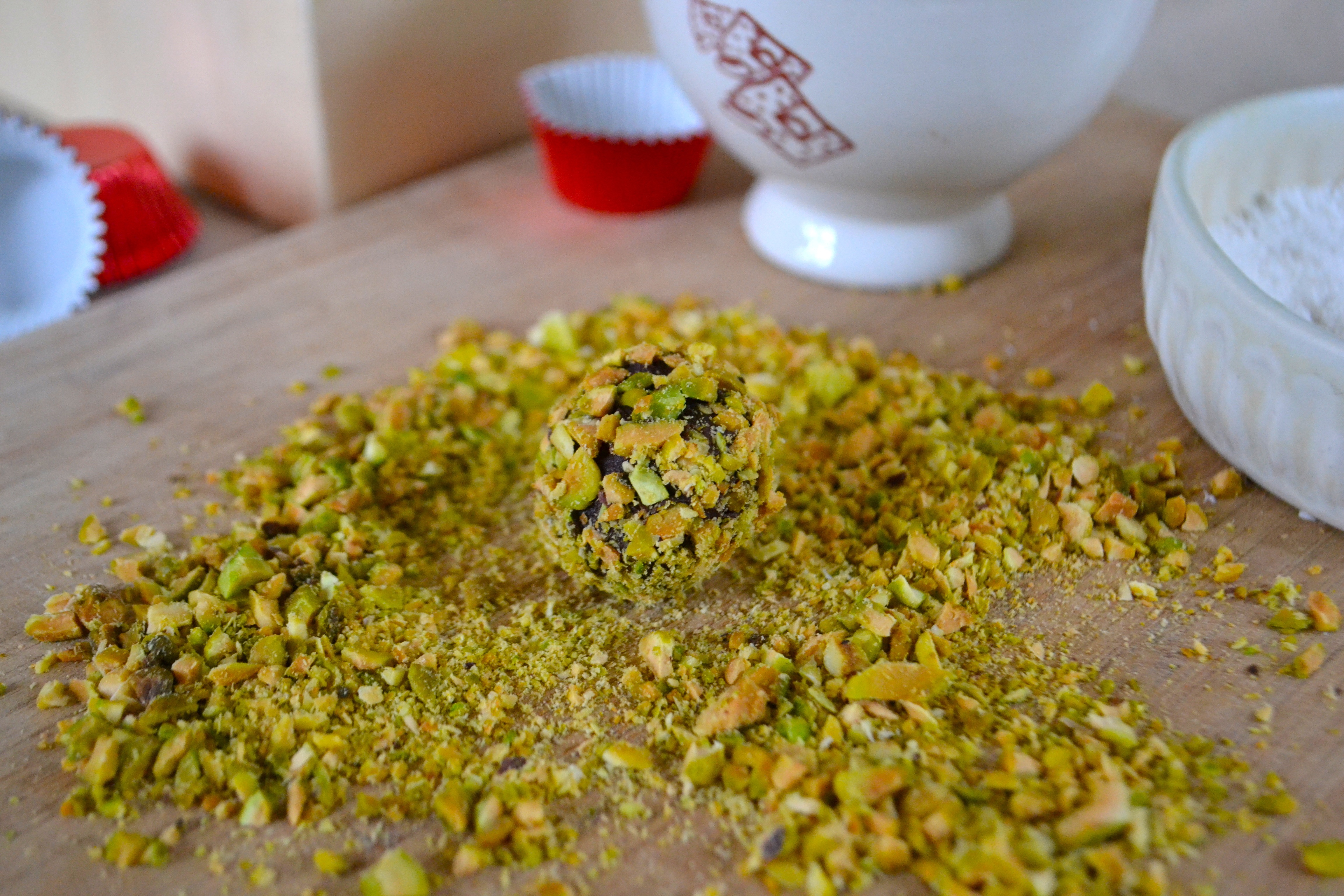
truffle pistachioUsing a 1-inch melon baller or very round spoon, scoop out the chocolate mixture and transfer to a parchment-lined baking sheet. Coat your hands with cocoa powder and roll the chocolate scoops into balls. For the other coatings, roll the balls in the finely-chopped nuts or coconut until evenly coated. Refrigerate 10 minutes to set. Place the truffles in small gift boxes or tins lined with parchment paper or colored tissue paper.

Serve with love!

Read Full Post »

I first posted this a little over a year ago, but since I’m still getting inquiries regularly, and since there is a nasty flu circulating across the country (H1N1), here it is again…

People regularly ask for my recommendations for staying healthy during the winter season. I always preface my response with the line: “Well, I’m not a doctor or a nutritionist, but here’s what I do to keep bugs at bay.” Due to some combination of luck, genetics, careful measures and healthy eating, I rarely get sick, and when I do, it’s typically very mild–a runny or stuffy nose for a few days and maybe an annoying tickly cough from the post-nasal drip. I get a bad cold every 5-7 years, usually after allowing myself to get run down, and I can’t remember the last time I’ve had the flu. (I’m touching wood here!!)

Give your body’s natural immunity a fighting chance by going light on the sugar–just 1 teaspoon of sugar can significantly suppress your immune system (see Sugar: How Much Is Too Much). Wash hands often, and get plenty of sleep are the other two mantras of winter bug avoidance strategies. But if you want to “buy” a little extra insurance, these are my recommendations.*

Vitamin C: Take 500 mg once or twice per day. The RDA is about 70 mg, but most of the studies showing the benefits of Vitamin C usage–from preventing eye disease to protection against cardiovascular disease, used at least a 500 mg daily dose. If you have a sensitive stomach, consider taking a non-acidic, buffered option.

Vitamins D3: Take at least 800 IU but up to 2,000 IU per day (The RDA is 800 IU, but there is much discussion about increasing this amount. See Vitamin D: Why Are We Hearing More About It.) I like the liquid version from Source Naturals.

Elderberry extract: I take this (according to instructions) whenever I feel rundown, had a bad night of sleep or know that one of my little ones is coming down with something. It’s an herbal immunity booster. It’s also known as Sambucus and comes in many different forms. I like the liquid extract from Herb Pharm because it’s alcohol-free and doesn’t have added sweeteners like many of the “syrups” do.

Astragalus: I take capsules of this herb (according to instructions) as a preventative measure all through the winter season.

Omega 3: Take 1000+ mg every day all year long for overall health and inflammation reduction.

Echinacea extract: This herb is often combined with Goldenseal, and is most effective when taken at the onset of a cold. It can be taken throughout the day, but formulations containing Goldenseal should not be used by pregnant women.

Zinc: I take this in combination with Selenium to shorten the severity and duration of a cold. In addition to fighting colds, zinc has been used to prevent recurrent ear infections and lower respiratory infections.

I also try to incorporate fresh citrus fruits into beverages and food for the extra Vitamin C and bioflavonoids they provide. Honey made locally by local bees is believed to help with seasonal allergies, which only serve to aggravate cold and flu symptoms. Try a non-caffeinated herbal tea with a teaspoon of honey and half a squeezed lemon added in.

Best wishes for a healthy winter season!

*While I have used these products and amounts for years, it is always prudent to check with a health care professional before starting a new vitamin or herb program, particularly if you are taking any medications or have any allergies.

Read Full Post »

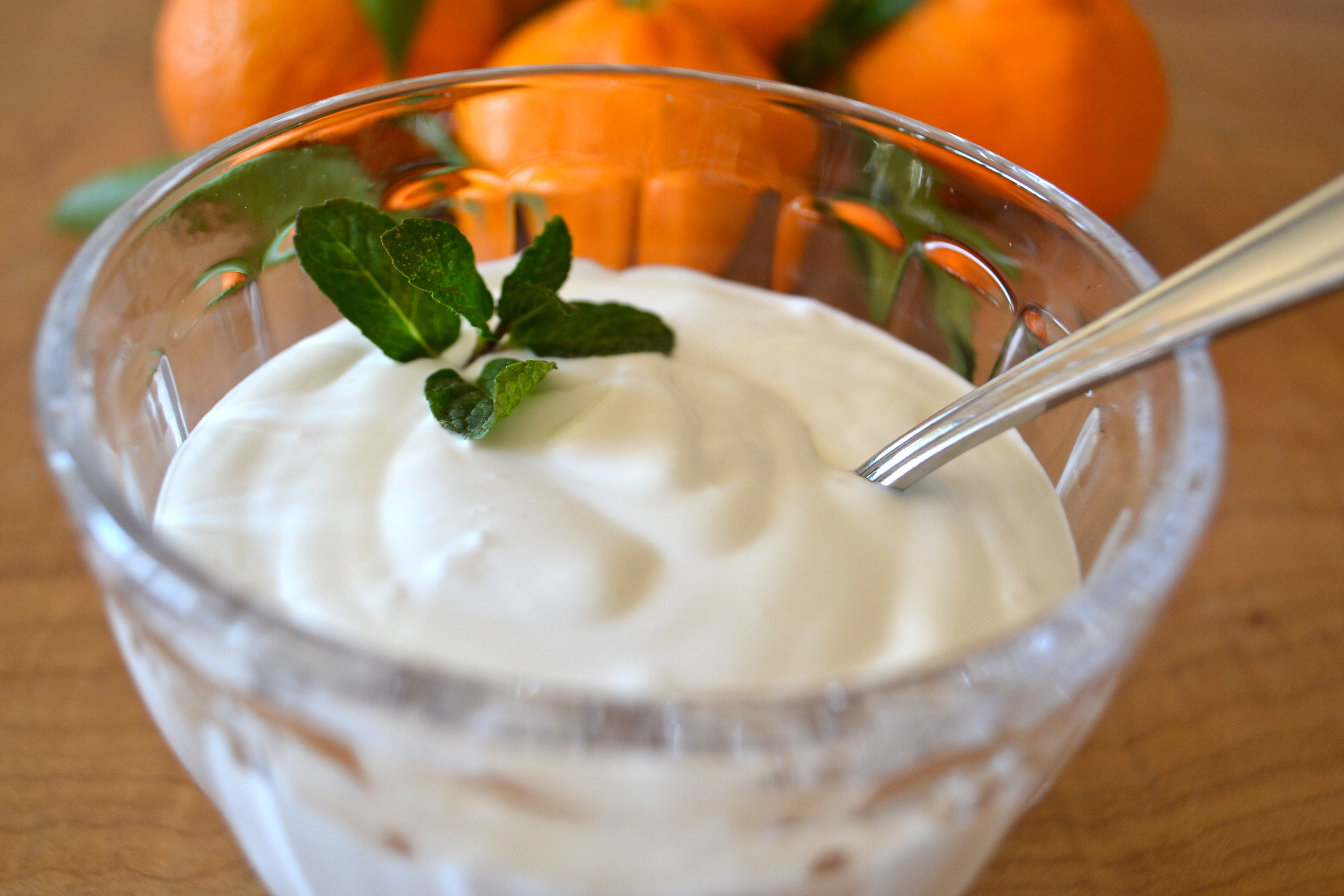
yogurtSeeing as dairy and I don’t always get along, but given how much I love creamy concoctions, I’m always on the hunt for good substitutes. Luckily, I prefer my homemade almond milk (not pre-packaged!) to regular cow’s milk. There’s that very subtle anise flavor that makes it taste much better in my opinion, and it’s just as creamy if not creamier in texture. And I recently discovered a good cream cheese substitute. I rarely use cream cheese, but occasionally I like to spread it on a cracker with a little lox.

I’ve also tried several brands of coconut milk yogurt, but they’ve all been subpar–too watery, too sweet and/or too gelatinous in texture. I’ve tried making my own several times using agar agar, xantham gum and other (from my perspective) difficult to work with ingredients. But I finally found a recipe that is incredibly simple, and the yogurt comes out exceptionally creamy and with a perfect consistency. This recipe, like the Rosemary Raisin Crackers I posted last week, comes from Danielle Walker’s Against All Grain cookbook. The only variation I’ve made is to exclude the 2 tbsp of honey she uses in hers. I think 2 tbsp seems like a lot of sweetener for 27 oz of yogurt, and I find if you use good quality coconut milk (Native Forest is my favorite), the yogurt comes out sweet enough. I’m also wary of sweetening a pure white “plain” yogurt when I live with people that then automatically assume they need to add sweetener once the yogurt is in their bowls. Danielle insists on the honey because she believes it’s what encourages the good bacteria to culture, but I’ve heard mixed things about culturing with honey, so for now, I skip it.

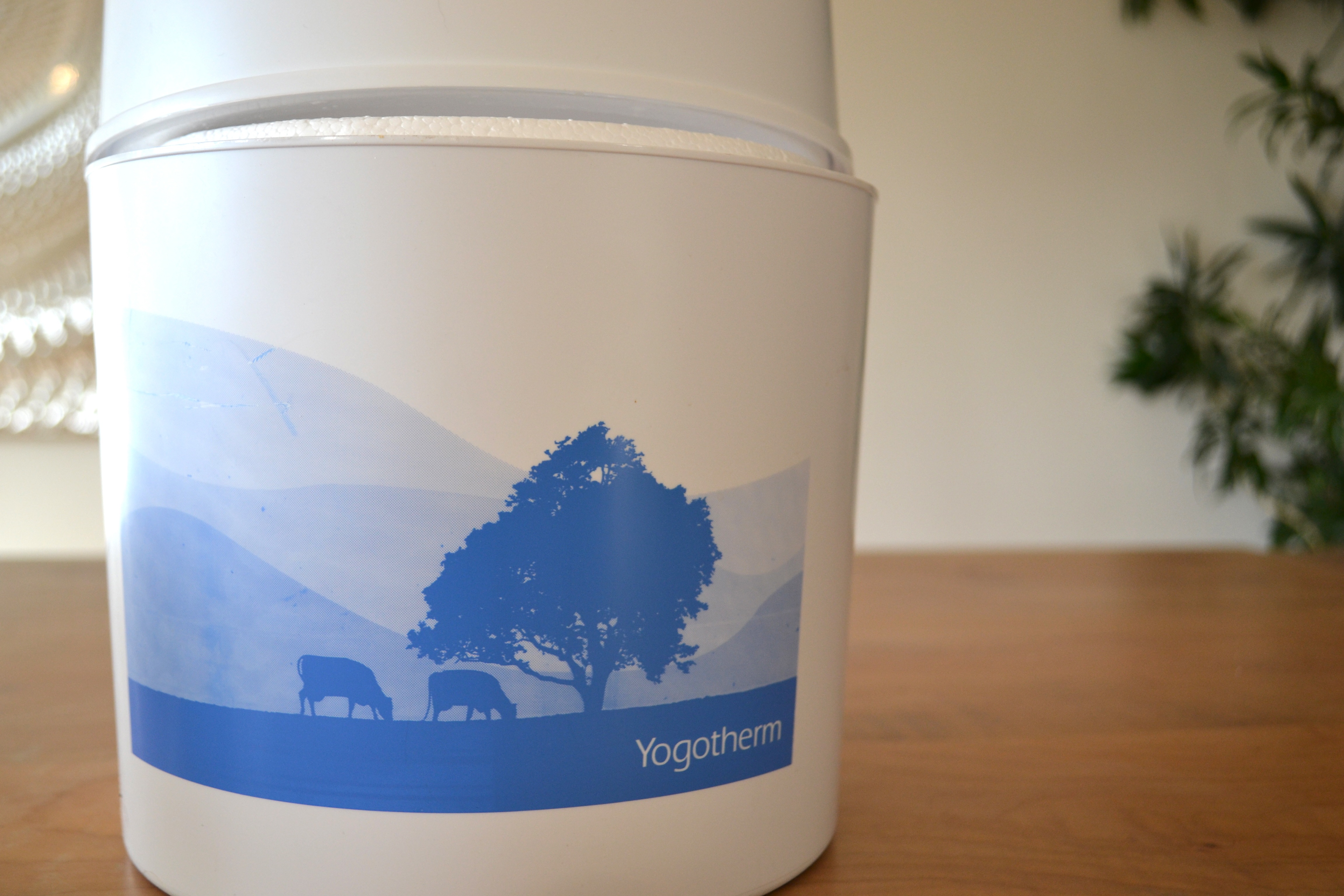
I don’t have a fancy yogurt maker (see photo below). I mistakenly didn’t build enough storage space into my kitchen remodel four years ago to house a lot of large gadget items (e.g., yogurt makers, dehydrators, etc.). I also don’t care to mess around with all those individual little glass jars that most yogurt makers come with. So I bought a very simple insulated tub. It doesn’t take up much space, it’s super easy to clean, and when the yogurt is ready I simply pour it into a large glass jar (which had been a pickle jar in a previous life). I also know people who also just wrap towels around a large glass jar and leave it in a warm place for 24 hours.

yogurt maker


Ingredients

2 13.5-oz cans unsweetened coconut milk, divided

3 tsp unflavored gelatin (1 packet)

1 tbsp raw, organic honey (optional)

1 50-billion IU probiotic capsule or 1 dairy-free probiotic yogurt starter packet*


Preparation

Place 1/4 cup of the coconut milk in a small bowl. Sprinkle the gelatin over it and set it aside for 10 minutes so it can “bloom.”

Heat the remaining coconut milk in a saucepan over medium heat until it reaches 150F. Stir in the gelatin/coconut milk mixture and honey if using. Stir until thoroughly dissolved.

Allow the milk to cool to 110F (you can submerge the bottom half of the saucepan in a bowl of ice water to quicken the process), then whisk in the contents of the probiotic capsule or yogurt starter.

Pour the mixture into sterilized jars (if you have a regular yogurt maker) or place in a large glass jar and screw on the lid(s). Ferment for 18-24 hours. I place my insulated tub in a sunny spot on my deck during the day and on the floor of my bathroom which has radiant heat at night. I think allowing the yogurt to ferment for 24 hours results in the best consistency.

After the fermenting period, place the jar(s)/tub in the refrigerator for 4 hours to further thicken and set. Once set, if any separation has occurred, whisk vigorously or blend the yogurt in a blender for a super-smooth consistency.

Enjoy!


*I get my vegan yogurt starter from Cultures for Health, but I don’t see why you can’t use more than one probiotic capsule to get to the 50 billion IUs Danielle suggests in her recipe. The Nature’s Way probiotic I regularly take contains 35 billions IU per capsule.

yogurt starter

Read Full Post »

I must apologize… It’s been ages–well at least a few weeks, since I last posted something. A recipe. A product recommendation. Anything.

The holidays descended heavily upon me last month, and while the exact reasons are still a mystery to me, I just couldn’t seem to find an hour to do anything other than shopping, stirring, baking, cleaning and entertaining. You might be thinking, well why couldn’t you snap off a few photos during all that stirring and baking? But honestly, I just couldn’t. The whole situation was aggravated by the fact that it’s winter, and even though we’re experiencing bizarrely warm weather here in Northern California (we went to the beach twice during the holiday break!), the sun still goes down quite early, and so by the time I was making dinner, the light was gone and with it, the chance to (decently) photograph my cooking.

But enough of the excuses.

What I wanted to say is “thank you.” Thank you for reading my blog. Thank you for being open to trying new recipes. Thank you for wanting to eat in a more healthy and wholesome way. I hope you stick with me this year, and that you find many delicious dishes, informative tidbits on improving your health, and good recommendations on products that are affordable and effective.

landscape 1landscape 2I always welcome the new year with an open mind and heart. There’s something about packing up the holiday decorations, putting the tree out to be composted, and taking down the holiday cards that reminds me to honor the past year while looking forward with great anticipation to the new one. I’m horrifically sentimental, so I also take this brief window of time to cherish each member of my family and each new person who entered my life in a significant way in the year we have just said farewell to.

People regularly label me “jaded,” devil’s advocate, glass is half-empty kind of person. But each January, I eagerly anticipate the great joy and wonder I hope to experience some time in the new year. Yeah, sure… By June it may all be lost, and I may have found a dozen things to complain or feel remorseful about, but in this relatively brief period of the year I am completely and utterly optimistic.

Make your new year’s resolutions. Make many. Make specific ones like losing x-number of inches from your waist or exercising x-number of times a week. Make fun ones that expand your world and prevent you from getting stagnant, like learning a new language or taking up a new craft or hobby, changing your look in a noticeable way or changing a room in your home that gives you new perspective. But also make some big broad resolutions like being kinder and gentler with yourself or others, being more mindful, more grateful. Resolutions you know you can obtain, but that you need to consciously work on all year–all your life. And perhaps more importantly, find ways to be inspired. Inspired people are innately happier. Inspiration lives everywhere–in art, in nature, in people you meet nearly every day. It’s not just found in the heavily-published, well-spoken professor you had last semester or the start-up genius who’s made millions. It’s also found in the warmth of the grocery store clerk who will never drive a fancy car or stay at a 5-star hotel–a person who simply has a good heart. Inspiration also lies in the wonder of something unexpected on your way to work, or in the incredible devotion of a family pet. It truly exists all around us, and our only challenge is to stay open to it and look for it in unexpected places.

Thanks, again, and may this year bring you great joy, health and purpose!

landscape 3

Read Full Post »

We are a family of four, and three out of the four of us have become kombucha addicts. It’s supposed to be good for you–good for your gut, that is, which means good for your whole body. However, several months into this addiction, I saw a big jump in my grocery bills as a result. At roughly $4 a pop, those 8 oz bottles were beginning to take a larger than acceptable portion of our whole paycheck.

I know lots of people make their own kombucha, so I figured I’d join the movement. However, just about that time, I drank a larger-than-average-sized bottle (12 oz) of kombucha, and got a very upset tummy. My tummy wasn’t just a little gurgly, it was downright knotted up and in pain! (And as luck would have it, this happened the same day one of my dearest friends flew in from NYC, and we had a reservation at one of my favorite wine country eateries– Farmstead at Long Meadow Ranch.) Had I been the only one to drink a “bad” bottle kombucha, I would have shrugged it off. But as things stand, I know several people who have experienced a very rough day (and night!) or two due to a bottle gone bad.

water kefirSo that was the end of my relationship with kombucha…. Well, sort of. I was determined to find a probiotic drink, and I’m not a fan of regular probiotic drinks, such as kefir, since they’re made with dairy and incredibly high in calories.

By chance, I had recently read about water kefir. It was marketed as a delicious, lightly-carbonated drink rich in probiotics, and since it didn’t carry any of the bad baggage I had with kombucha, I decided it would be my fermented drink of choice. (In all honesty, water kefir is remarkably similar to kombucha.)

I ordered my water kefir grains from Cultures for Health, the same company from which I got my yogurt starter. Through CFH, you’ll initially spend $16.99 for the grains plus shipping, but then settle in to a joyous period of spending just pennies for quart after quart of water kefir. Once activated, the grains can be used indefinitely!

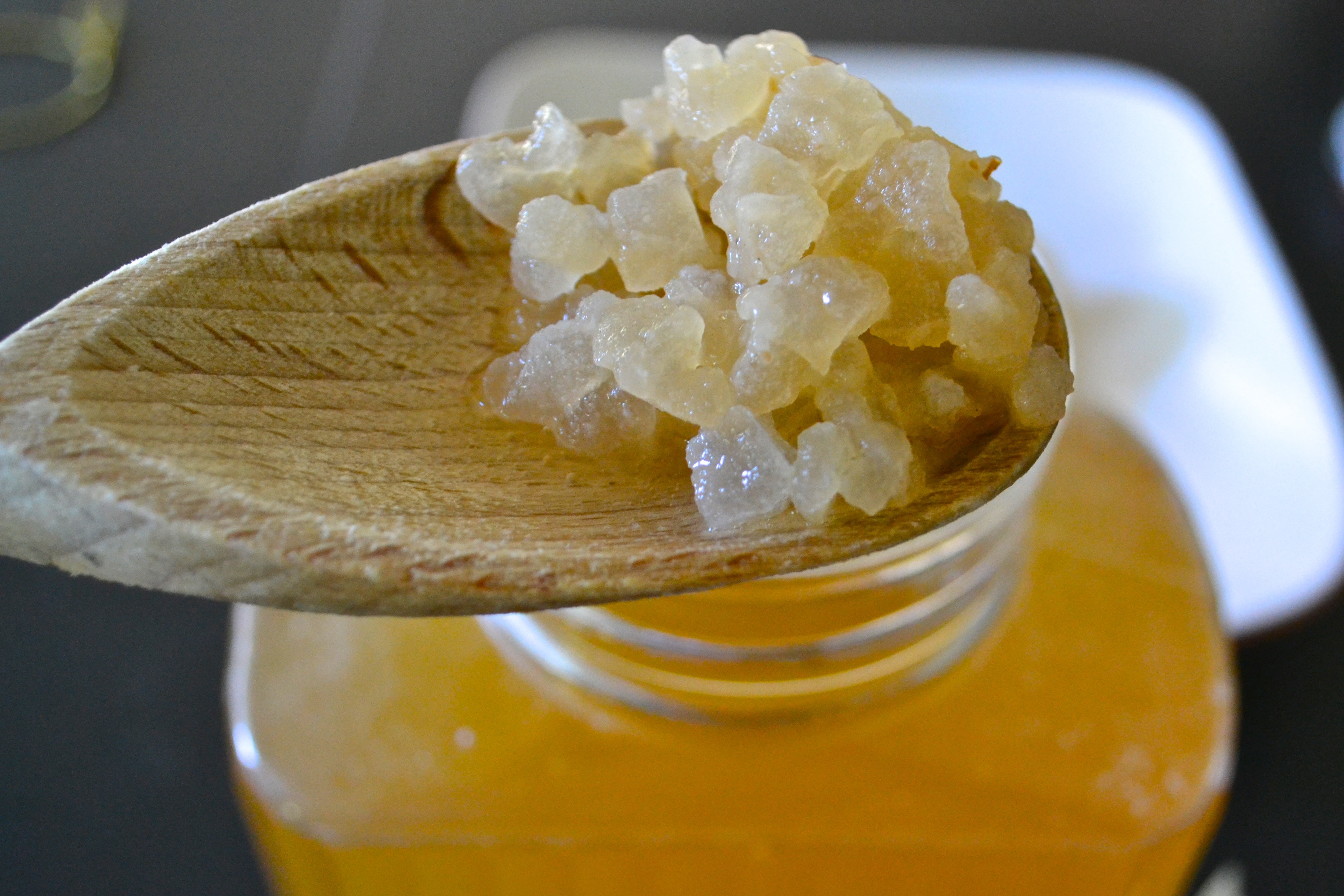
Water kefir grains after rehydration

Water kefir grains after rehydration

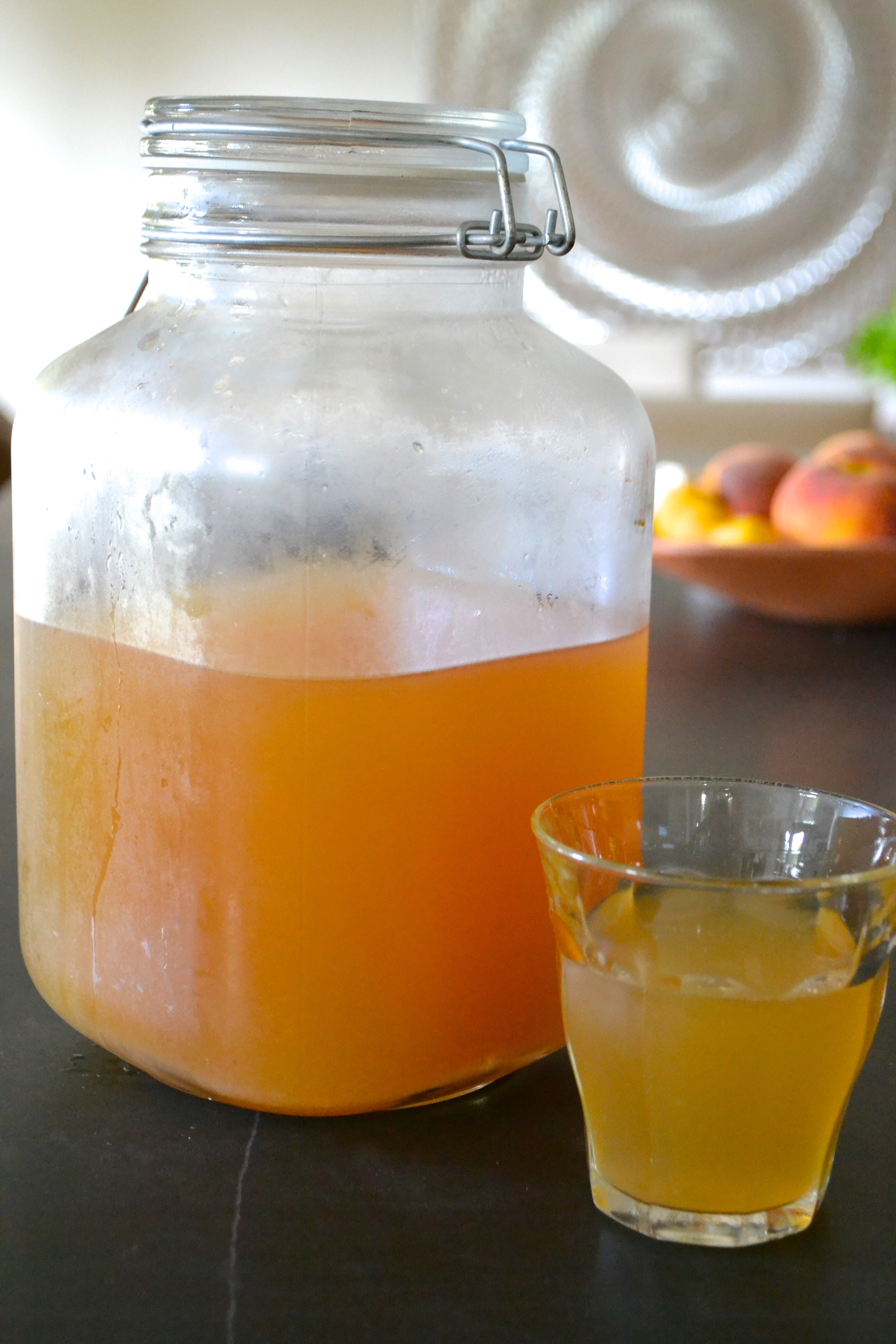
It takes me 5 minutes–read: 5 minutes–to prep two quarts of water kefir, after which, you let the grains work their magic for 48-72 hours. Then voila! You have a lightly-carbonated, refreshing drink that’s delicious as is or flavored any number of ways. (I added fresh-squeezed lemon juice to the first few batches, which made the water kefir taste just like an Arnold Palmer, but now I love it best just plain.) Two quarts lasts us several days, which is how long I ferment my water kefir, so I always have one glass jar in fermentation, and one in the fridge for drinking.

But was it too early to start rejoicing? During a recent excursion to Whole Foods, I happened to overhear an employee lamenting the high sugar content–28 grams(!!), of a particular brand of kombucha (which I won’t name here because if you’re a kombucha drinker and you’re reading this post, I’m betting you’ll take 10 seconds to look at the “nutrition label” next time you reach for a bottle). Due to my nature, I panicked and contacted CFH the second I got home, asking the sugar content of water kefir.

CFH said, “About 80% of the sugar you use in kefir will be converted to glucose, which is used by the grains for nutrition and reproduction, leaving about 20% by volume of fructose. The fructose will continue to ferment and reduce. So if you start out with about 200 calories of sugar (about 1/4 cup) per quart, you’ll end up with about 40 calories of fructose after two days.”

They cautioned that this is a very rough estimate with many variables. However, considering I let mine ferment for three days, I can safely assume there is less than 2 grams of sugar per 8 oz. Whew!

In case you decide to make your own–I really can’t stress how easy and incredibly economical it is, you might like to know that I use 1/4 cup evaporated cane juice crystals and 1/4 cup sucanat per 2 quarts of water.

To happy tummies everywhere!

Read Full Post »

shrimp salad aboveshrimp salad closeLooking at the photos, you might think, “That doesn’t look like a ‘salade nicoise’,” and I’d have to agree. But we tend to try and do things bigger, brighter and a little differently here in California, and this salad definitely offers big taste and big color. It’s also delicious and fast and easy to prepare. So as far as I’m concerned, it checks all the boxes.

You can serve this salad for dinner when you want to eat on the lighter side–or the Paleo side, and it also makes a wonderful lunch salad if you’re having guests to your home.

Ingredients

1 head of red baby gem lettuce or 5-7 leaves of red-leaf lettuce

1 avocado, peeled, seeded and cut into 1/2-inch cubes

1 handful haricot verts, ends trimmed

1/2 lb large prawns, shelled except tails and deveined

1/2 a red bell pepper (organic, if possible!*), seeded and cut into 1/4-inch strips

1 fully-ripe heirloom tomato, cut into 3/4-inch cubes (any will do, but yellow provides good contrast)

1/3 cup extra virgin olive oil

1 tbsp white or champagne vinegar

1 tsp Dijon mustard

sea salt and fresh-ground pepper to taste

Preparation

Put a medium-sized pot of water on the stove to boil. Add a pinch of salt. Prepare a large bowl of ice water (or water in which you’ve dumped a bunch of ice cubes). When the water in the pot reaches boiling, toss in the haricot verts. Cook for 3-4 minutes until bright green but still very firm. Remove with tongs and immediately plunge the beans into the ice water. After 30 seconds or so, remove the beans with tongs and place on a tea towel to absorb the water.

Assuming you’ve left your pot of boiling water boiling, toss in the prawns and cook for 2-3 minutes or until they are completely opaque in color. Remove with tongs and set aside.

Wash and dry the lettuce leaves and arrange on 2-4 plates or low bowls depending on whether you are serving the salad as a dinner entree, dinner side salad or lunch entree. Top with the heirloom tomato, bell pepper and avocado pieces. Cut the haricort verts crosswise in half and add to the salad. Arrange several prawns on top of each plate/bowl.

In a small bowl, whisk together the vinegar, mustard, salt and pepper. Slowly pour in the olive oil while whisking. Adjust the seasoning to taste. Drizzle the dressing over the salads and serve immediately. Note: this salad is delicious at room temperature or even cold, but I think it’s best when the prawns are still warm from their cooking.


To bigger and brighter!


*They’re not always available, but it’s important to buy organic bell peppers over conventional when possible, because bell peppers are high on the list of pesticide-laden vegetables (e.g., “The Dirty Dozen”). If you have to buy conventional, use a good vegetable-washing spray, such as Veggie Wash, to remove pesticide residue.

Read Full Post »

Sorry Paleo enthusiasts! There are no animal products on this list of cancer fighting foods, but this list is just that, a list. It isn’t a dietary plan or specific approach to eating. This posting would be far too long if I attempted to describe all the purported anti-cancer benefits associated with specific diets, such as the Mediterranean Diet, the Paleo Diet, vegetarianism, veganism, etc.

This list is a compilation of several lists from people I respect in the medical world including those of Dr. David Sevran-Schreiber (who survived brain cancer for more than a decade), the ever-popular Dr. Oz, renowned health guru Dr. Andrew Weil and the beloved Dr. Sears, as well as a few amazing cancer fighters, such as Oneanna65.

This list contains only plants. There’s simply too much controversy about the potential cancer-related health benefits of “meat”–with the exception of salmon. However, overwhelming evidence exists showing the ability of plants to lower our risk of getting some cancers and improve our ability to fight cancerous cells.

Plants protect us in a number of ways. They are full of natural plant compounds called phytochemicals. Some of these are antioxidants which protect and repair our DNA. Some appear to control how cancer cells grow or spread. Others simply lower our risk through the fiber they contain as in the instance of colon cancer.

Here’s the list:

asparagusAsparagus contains glutathione, a very potent antioxidant, and histones, which studies show control cell growth. Asparagus also contains anti-flammatory saponins, and the flavonoids quercetin, rutin, kaempferol and isorhamnetin. It’s also high in fiber and an excellent source of Vitamin K.

Preparation: Saute fresh asparagus in a little olive oil, and serve with a light sprinkling of coarse ground sea salt and a drizzle of truffle oil.

blueberriesBlueberries are thought to be one of the best sources of antioxidants. They also contain ellagic acid, which helps prevent carcinogens from latching onto DNA.

Preparation: Mix blueberries into pancake batter, bake them in muffins, blend them in smoothies and use them in fruit salads and for kids’ snacks.

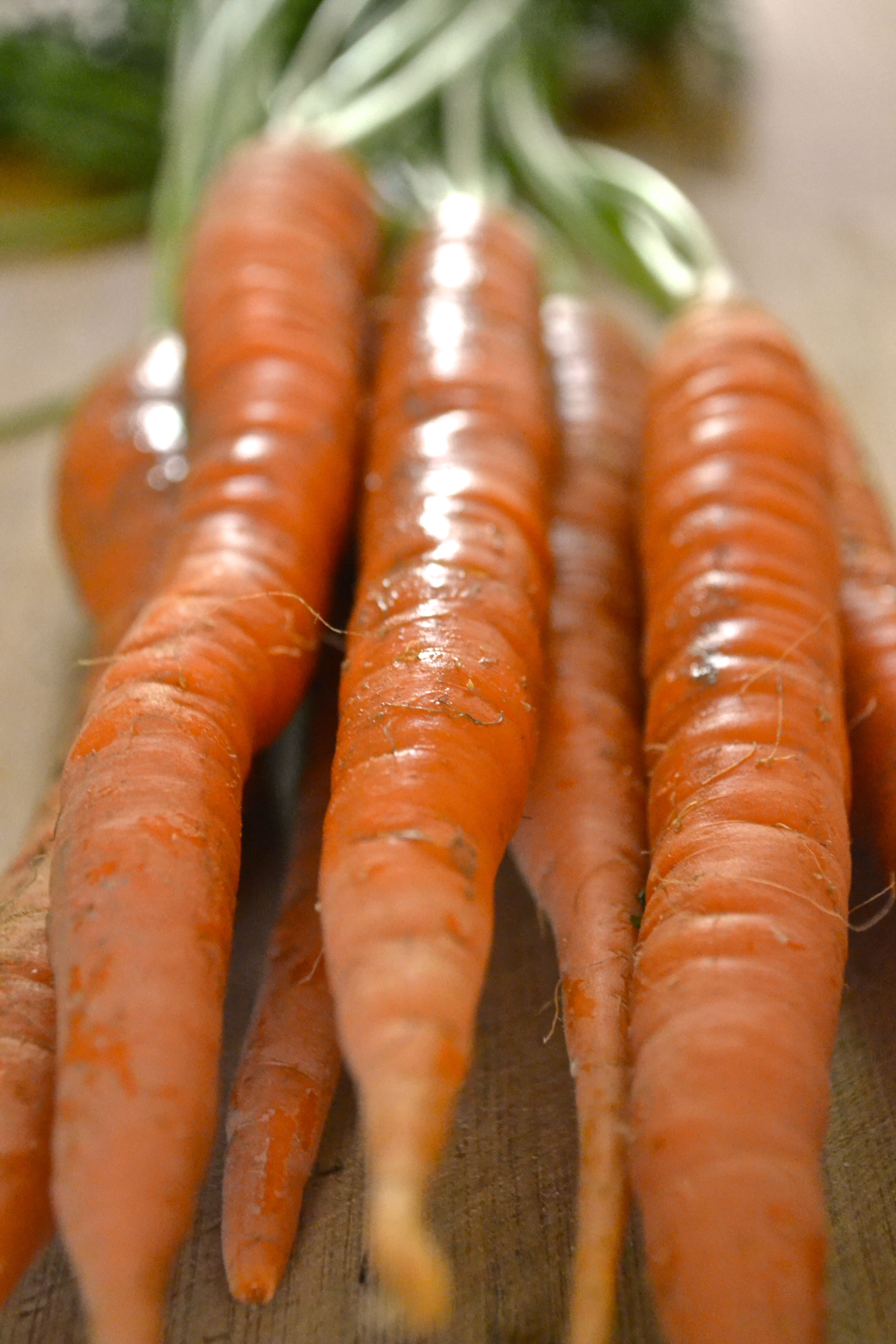
carrotsCarrots may reduce your risk of heart disease and breast cancer. Carrots are high in the anti-oxidants beta-carotene and falcarinol which studies suggest may help prevent the recurrence of breast cancer and slow the grow of colon tumors.

Preparation: Toss with olive oil and roast in the oven until carmelized, dip them into hummus as a snack or make a creamy carrot soup.

peas

Beans and peas are rich in fiber which is believed to encourage good bacteria in your colon to produce cancer-fighting compounds as well as help move carcinogens through the colon.

Preparation: Add cooked beans to salads and soups.

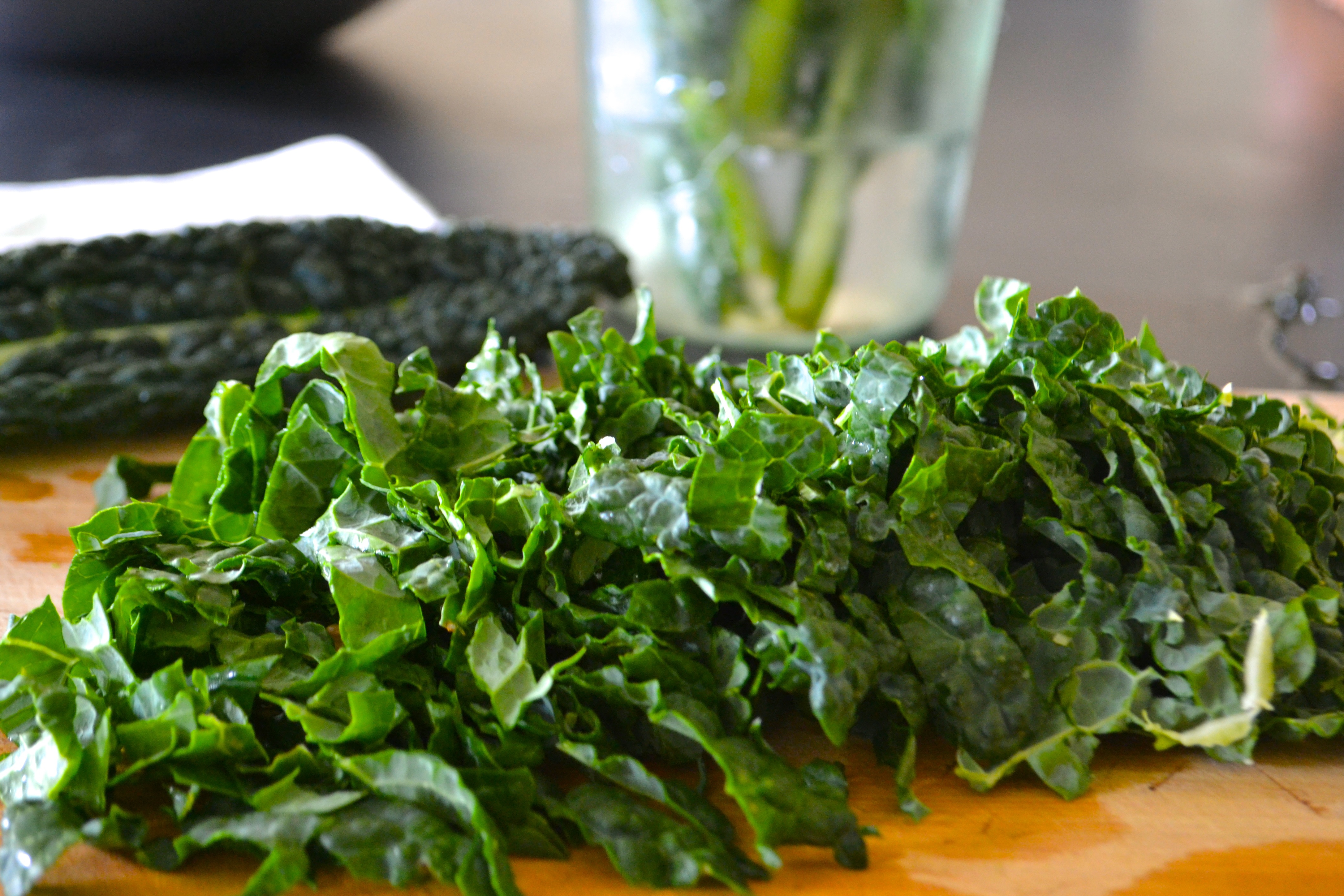
kale choppedKale, brussel sprouts, broccoli and cabbage–they all belong to the Brassica family and contain indoles, which studies show may stop tumor growth.

Preparation: Blend kale with fruit into a delicious smoothie or combine it with brussel sprouts for a delicious salad.

onionsGarlic and onions–both are from the allium family of vegetables and are powerful cancer fighting foods. Studies indicate they can stop cancer growth in several areas including the stomach, colon, brain and breast. Onions contain sulfur, which fights cancer and harmful bacteria, and garlic helps protect against infections.

Preparation: Add both chopped into nearly every savory dish you cook! Onions are also excellent sliced thick, brushed with olive oil, sprinkled with sea salt and herbs and grilled on an outdoor grill.

Parsley contains cancer fighting polyacetylenes and flavanoids, which may prevent some cancers.

Preparation: Add fresh parsley to smoothies, juices and savory dishes.

shitakesShitake mushrooms contain lentian, which is approved as a treatment for cancer in Japan. In addition, shitake mushrooms contain a compound, known as 1,3-beta glucan, which has been shown to reduce tumor activity and lessen the side effects of cancer treatment.

Preparation: I serve Shitake mushrooms in pasta sauce for my kids, sliced thin and roasted on top of pizzas and in stir fry dishes.

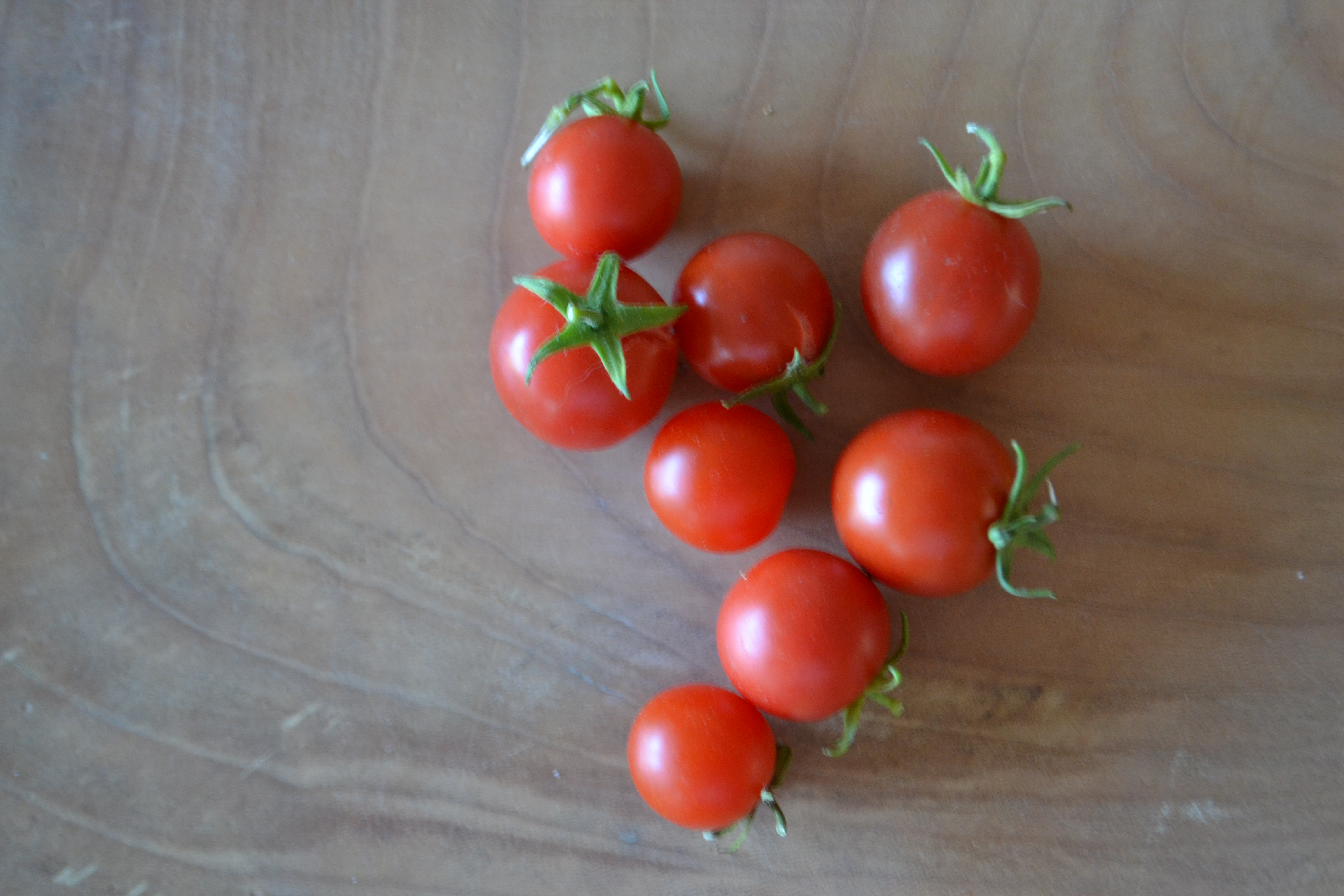
tomatoesTomatoes contain lycopene which prevents cancer cells from growing and dividing. You have the best chance of absorption if you cook your tomatoes in a little olive oil.

Preparation: Make gazpacho to celebrate summer or whip up a marinara sauce for pasta or pizza.

Dr. Sears and Dr. Weil are also big proponents of soy, which contains isoflavones, phytonutrients that inhibit tumor growth. Soy has also been shown to protect against colon cancer by blocking the carcinogenic effects of bile acids.

Of course, there are many other fruits and vegetables which contain important nutrients and may help protect us from cancer. However, this is a good basic list to keep handy and think about when you are cooking for yourself, your family and/or your friends.

Be well!

Read Full Post »

« Newer Posts - Older Posts »

Cooking Without Limits

Food Photography & Recipes

Selma's Table

Life doesn't have to be perfect to be wonderful - stories and recipes from a wonderful life...