Feeds:
Posts
Comments

Archive for the ‘Recipes’ Category

fish cake 2I cook these regularly for my kids, but last weekend I served them to my husband for breakfast with softly fried eggs and a little hot sauce. They were delicious and an excellent way to have a savory breakfast and give the sweet a break.

As a side note, I like preparing these fish cakes for my children because they won’t just tuck in to a fillet of fish, and I am always looking for ways to get more healthy protein into them. They appear to share my slight aversion to “flesh,” so I typically incorporate chicken, beef, pork and fish into more complex dishes, or at least dishes that don’t just resemble a slice of meat.

For this recipe, try Petrale Sole, Tilapia, or any other relatively light fish. Salmon also works well.

Ingredients

1/2 lb Petrale Sole (see comment above)

Olive oil or ghee

1 tsp mixed dried herbs, such as oregano, basil and parsley*

1 egg, lightly beaten

1-2 medium-sized potatoes, such as yellow finn

2-3 tbsp bread crumbs (regular, whole wheat or gluten-free)

1 1/2 tbsp ground golden flaxseed

1 garlic clove, crushed

1/2 tsp sea salt

1/4 tsp ground pepper

1/2 cup whole-grain spelt flour**

Cut lemon

Directions

Cut the potato(es) into quarters, leaving on the skin. Put in a pan and cover with water. Boil under tender. Drain. Chop into 1/2-inch cubes, although some will mash down while you’re cutting which is fine.

Heat a cast-iron or other skillet on medium heat. Add a teaspoon olive oil or ghee. After the oil or ghee has melted, lay in the fish fillet(s). Cook until done but still very moist.

Combine all the ingredients except the flour in a large mixing bowl. Stir until well combined. It may seem a little wet and sticky, but that’s ok.

Heat a large cast-iron or frying pan over medium heat. Add a little olive oil or ghee and swirl to coat. Make sure there is enough “fat,” to coat the pan just by swirling (not pushing a spatula around) otherwise your fish cakes will end up too dry.

Put the flour in a small, low bowl. Form 1 rounded soupspoonful of potato/fish mixture into a patty 2 1/2-3 inches in diameter and 3/4-inches thick. Place in the flour and flip to coat. Place in the pan and repeat until all the mixture is used up. Cook for 5-7 minutes then flip the cakes with a spatula and cook an additional 4-5 minutes until golden brown on both sides. Add a little more oil or ghee if needed. Allow to cool slightly on a plate covered with a paper towel.

Squeeze a little lemon juice over the cakes just before serving. Serve warm with cocktail or tarter sauce for a lunch or dinner. For breakfast or brunch, serve the cakes topped with fried eggs and hot sauce. For a fancier brunch option, serve them topped with poached eggs and a simple hollandaise sauce.

These keep for several days in the refrigerator in an airtight container, and can easily be reheated in an oiled pan over medium-low heat.

Enjoy!

*Fresh dill is also a great choice, but the flavor is too strong for my kids so I use the other three spices listed.

**If you are gluten-free, you can obviously substitute the spelt with a GF option. However, many GF flours add more stickiness. I haven’t experimented with GF flours yet for this recipe, but would love to receive feedback from anyone who does.
Read Full Post »

cashew dip2 (Adapted from Whole Living Magazine)

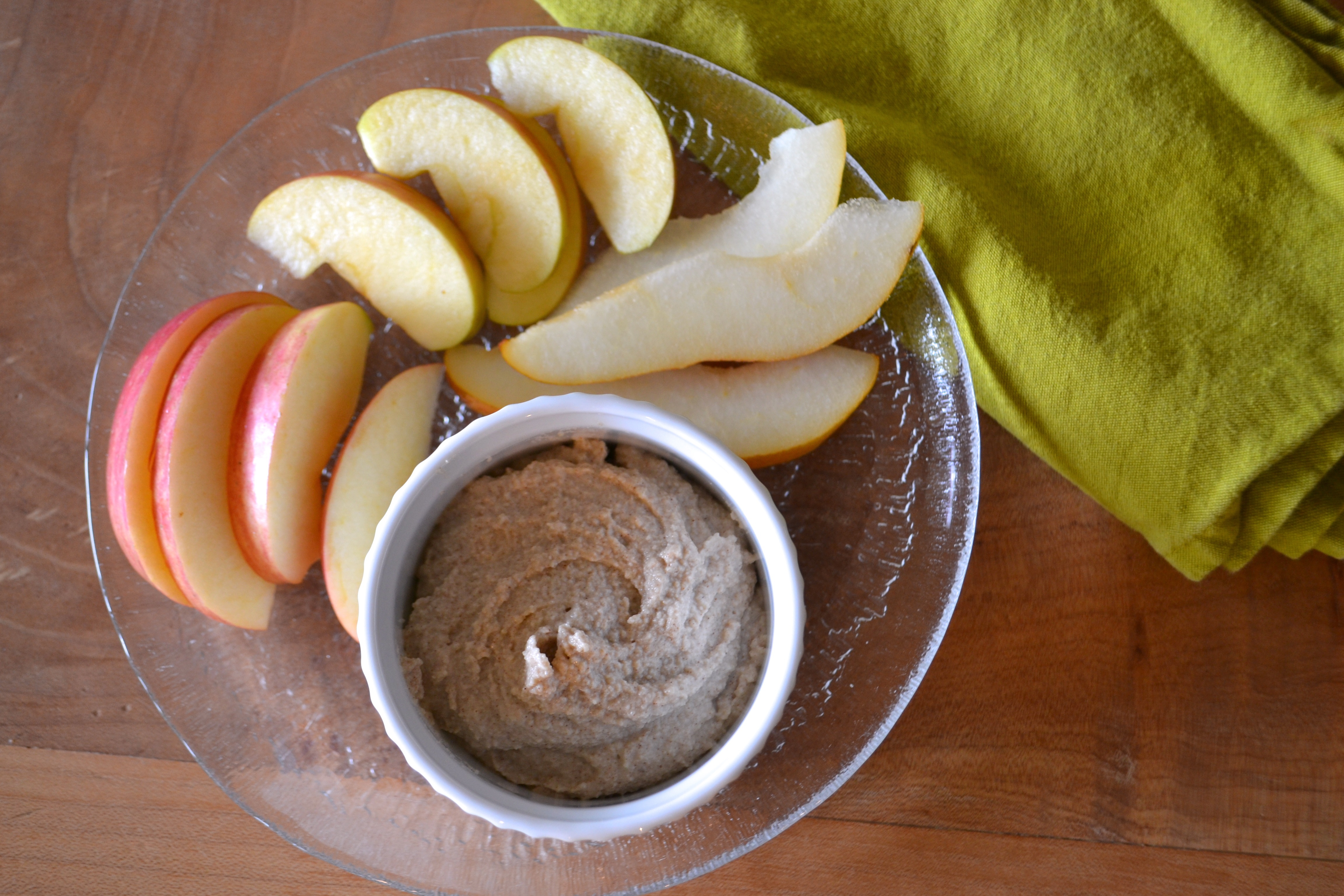
A few slices of apple or pear dipped into this thick, protein-rich “cream” make a quick, nutritious and satisfying snack. It’s also delicious with celery sticks, and my son, whose obsession for sweetness appears to know no limits, likes this dip with slices of banana.

For best results, prepare this dip in advance and let it thicken in the refrigerator. It keeps for up to a week, and then you have something super quick to snack on when you need it.

Ingredients

1 cup raw cashews

1/2 tsp. ground cinnamon

1 tsp. honey

1/2 tsp. pure vanilla extract

A pinch of sea salt

Directions

In a small bowl, cover cashews with hot water. Let soak for 30 minutes. Drain the cashews, reserving the liquid.  Transfer the cashews to a blender along with 1/2 cup of the reserved liquid. Add the remaining ingredients and blend until creamy, adding more of the reserved liquid if necessary to get the mixture smooth and creamy but still thick. Chill. Serve with sliced apple, pear, celery, etc.

Happy dipping!

Read Full Post »

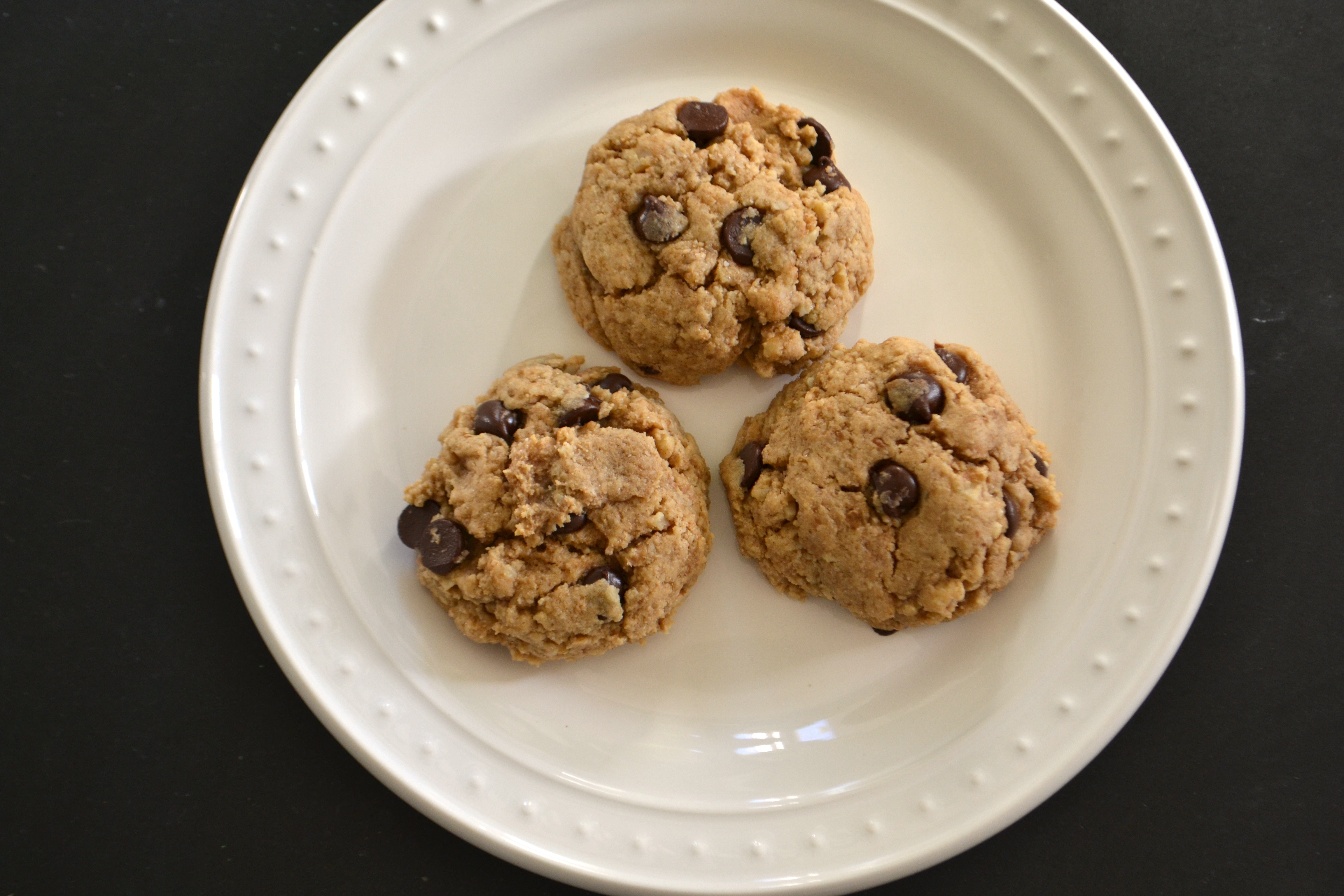
cc closeup

The sweet tooth makes another return!

But first a word about gluten-free baking…

These cookies pack a decent amount of fiber and protein because I don’t believe in making gluten-free anything solely for the purpose of eating gluten-free. It’s true, I’m not allergic to gluten nor does it appear I have an actual intolerance to it. My attempts to eat mostly gluten-free stem from my readings and growing understanding (belief?) that the gluten in today’s modern–heavily GMO’d–wheat taxes our digestive systems and promotes inflammation; inflammation: the precursor to all major disease including cancer and heart disease.

However, if you simply replace regular all-purpose flour with rice or tapioca flour in your GF baking, you’re still eating something with little to no nutritional value. (If you read the ingredient lists on nearly all of the gluten-free, all-purpose flour blends currently on the market, you’ll see rice, tapioca and/or potato starch at the top of the list.)

These delicious cookies are more of a soft, melt-in-your-mouth kind of cookie–moist, relatively high in protein (almond meal and walnuts) and fiber (coconut flour) and plenty sweet using only a fraction of the sugar used in the average chocolate chip cookie recipe.

(If it’s a chewy on the inside, crisp on the edges kind of cookie you’re after, stay tuned. In the next week or two I’ll be posting a recipe for a completely allergen-free, oatmeal, raisin and chocolate chip cookie that boasts a chewy interior and crisp edge.)

cc topGluten-free Chocolate Chip Cookies

Makes 16-18 cookies

Ingredients:

1/2 cup gluten-free all-purpose flour
1/4 cup almond flour
1/4 cup coconut flour
1/4 teaspoon baking soda
1/4 teaspoon salt
1/4 tsp cinnamon
1/4 cup raw cane sugar
1/4 cup brown sugar, unpacked
1/4 cup coconut oil, melted and cooled slightly
1/4 cup almond or coconut milk
1 teaspoon vanilla extract
1 egg
1/2 cup semi- or bittersweet chocolate chips
1/2 cup walnuts, coarsely chopped*

To make:

Preheat oven to 350 degrees.

In a medium bowl, mix together flours, baking soda and salt. In a large bowl, lightly beat the egg, then beat in the sugars, vanilla extract, coconut oil and “milk.” Stir in flour mixture until just combined. Fold in chocolate chips and walnuts.

Drop the dough in balls onto a cookie sheet lined with parchment paper. Flatten slightly using your hand. Bake for 8-10 minutes or until the top edges of the cookies are lightly golden but the insides of the “cracks” still look doughy. Do not over bake! Let the cookies sit for 1-2 minutes before transferring them to a wire rack to continue cooling.

I think these are tastiest while still slightly warm, but they keep well for 1-2 days in an airtight container (once fully cooled!).

*You can substitute 1/2 cup old-fashioned oats for the walnuts. Your cookies will have more fiber but less protein.

Read Full Post »

winter blah

It’s that time of year when the days start getting longer, the sun’s rays feel a little bit warmer, and our minds anticipate the approach of spring. It’s also that time of year that I start itching–literally and physically; itching to spruce up the garden, go to the beach and generally spend more time outdoors, and itching physically from all the dryness my hair and skin have experienced from the cold temperatures and dry, indoor heated air of winter.

Here are a few suggestions for revving up your circulation, sloughing off dull, dry skin and feeling smooth, moisturized and renewed.

I’ve never been a big believer in expensive creams and lotions, but I do believe in natural and simple products that get results.

These are a few of my favorites:

1. Use a natural-bristle “body” brush to aide your lymph nodes in eliminating toxins and boost circulation. (You can buy this type of brush in all natural products stores, including natural foods stores, as well as in many drugstores.) Simply brush your skin in small circular movements starting with the outermost extremities (hands and feet), working toward your heart as you go. Note: It’s best to do this just before your bath or shower.

2. In the bath or shower, scrub your skin smooth with a decent exfoliating body wash or scrub. I like the the walnut shell powder and almond seed meal in Queen Helene’s Organic Fair Trade Certified Cocoa Butter Body Scrub. The smell of this paraben- and SLS-free scrub will leave you skin smooth and moisturized and your mind drifting toward tropical island beaches. (At just a little over $6 a tube, this natural scrub is an amazing value!)

3. If you’re a tub person, soften skin by adding a pint of fresh milk (or 1 cup powdered milk) to the tub while it’s filling. Soften nerves, too, by adding 10-12 drops of your favorite essential oil for a total relaxing, skin-softening experience. Lavender, ylang-ylang and neroli are all good choices.

4. As soon as you step out of the bath or shower, apply a moisturizing body oil while your skin is still damp. This helps seal in moisture for longer-lasting hydration. There are numerous body oils on the market. Choose a natural blend (not one containing mineral oil!) or make your own; it’s incredibly easy. Try this recipe:

25 ml jojoba oil

25 ml almond oil

30 ml aloe vera (not the gel or juice, just pure aloe vera)

10 drops essential oil of lavender

15 drops of essential oil of ylang-ylang, neroli, rose, whatever you like.

Mix together in a 100 ml brown glass bottle. Apply as needed.

5. If the skin on your face is looking a little lackluster, apply an exfoliating and/or brightening mask 1-2 times per week. One of my favorites is Pangea Organics Facial Mask with Japanese Matcha Tea, Acai & Goji Berry. Careful you don’t scare the cat or the kids while the mask is on your face working its magic. It resembles mud with acai and goji fruit blended in, but leaves your skin feeling softer, smoother and brighter.

Another super quick and easy moisturizing mask can be found in the pantry. Honey is a great moisturizer. Spread a thin layer over freshly-cleaned, still damp skin, leave on for 3-5 minutes and rinse with tepid water.

It’s also important to avoid cleansers or toners containing alcohol, which are too drying for even the oiliest skin at this time of year. Look for moisturizers and toners with hyaluronic acid, a highly-effective humectant, which is purported to hold 100 times its weight in water. Just be sure to follow with a moisturizer if you’re using hyaluronic acid in a toner.

Happy scrubbing, soaking and slathering!

Read Full Post »

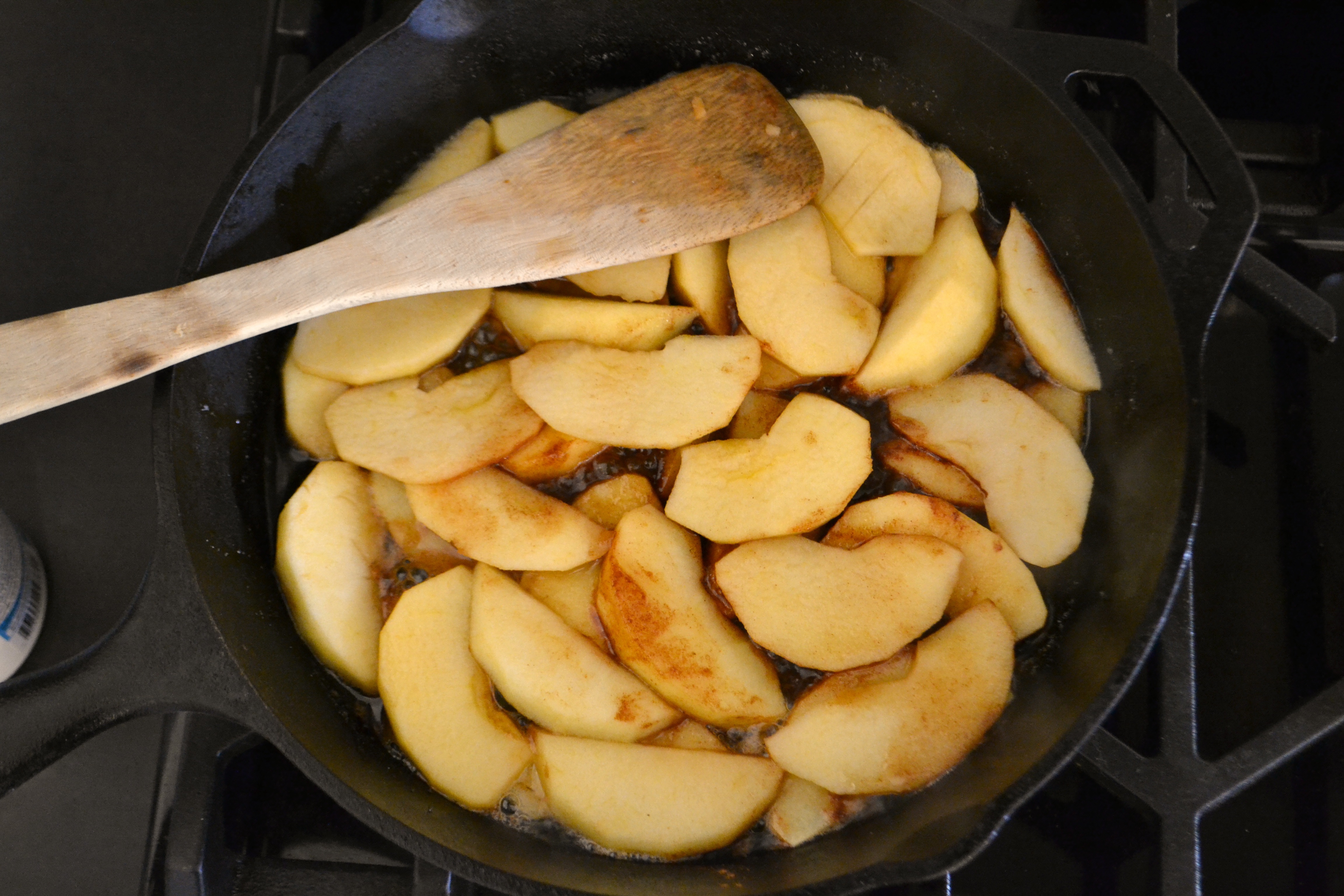
apple pancake pan

This is another one of those dishes that seems to help warm me during the chilly winter months. It’s essentially the same as the French clafoutis only it’s cooked in a skillet which makes it seem more appropriate for breakfast than dessert. It’s also easy to make this pancake gluten-free and/or dairy-free if your diet is restricted.

I think this pancake is sweet enough on its own, but if you want to indulge a little, drizzle maple syrup over each person’s slice just before serving.

apple pancake sliceIngredients

3 tablespoons butter or coconut oil

3 tbsp light brown sugar (or coconut sugar crystals)

1/4 teaspoon cinnamon

1-2 sweet apples such as Fuji, peeled and thinly sliced

3 large eggs

1/4 tsp salt

1/2 cup flour (I’ve used whole-grain spelt as well as GF flours)

1/2 cup milk (soy or almond work just as well if you’re avoiding dairy)

1 tablespoon fresh lemon juice

1 tablespoon powdered sugar

apple slices panPreparation

Preheat oven to 425°. Melt butter or coconut oil in a 12-inch ovenproof frying pan over medium-high heat. (I use a 12-inch cast iron pan.) Add brown sugar and cinnamon and swirl to combine. Add apple slices and cook until just starting to soften, about 3 minutes.

Meanwhile, in a blender, whirl together eggs, salt, flour, and milk. Pour egg mixture over the apples in the pan and bake until puffed and golden brown, about 15 minutes. Sprinkle with lemon juice and powdered sugar. Serve warm.

Happy eating!

Read Full Post »

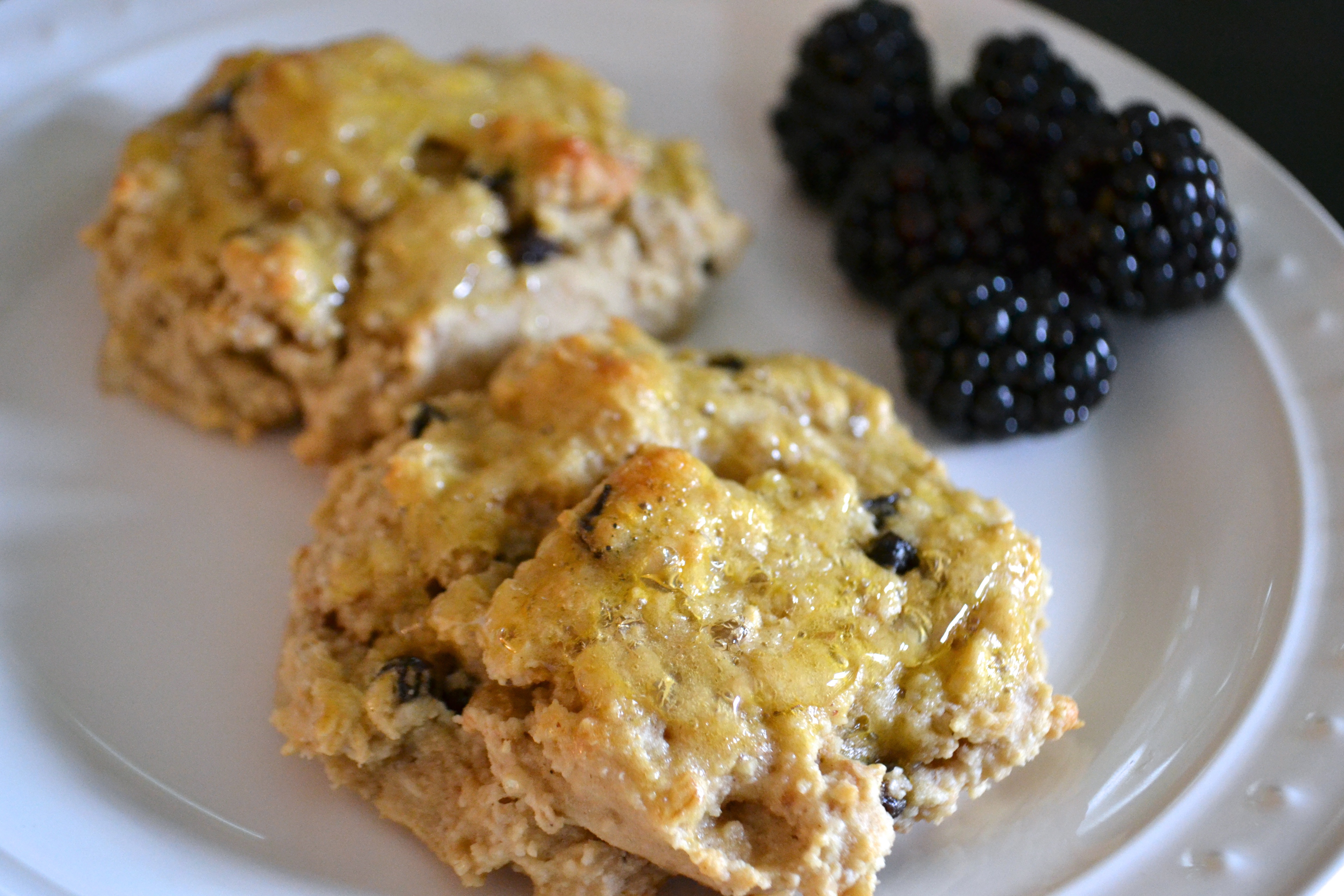
oat maple sconeThis recipe is merely a variation on the Almond, Orange, Currant Scones I posted last year. The extra-cold winter we’re having where I live got me longing for a heartier scone, and one that used maple syrup. These have become my family’s new favorite.

They are so quick and easy to make that I occasionally make them on school mornings, when I happen to get up a few minutes earlier than usual, or when I don’t have to take both kids to school.

Ingredients

1 1/2 cups almond flour

1/2 cup gluten-free all-purpose flour

1/2 cup oatmeal (porridge or old-fashioned)

1 tsp baking soda

1 tbsp canola oil

2-3 tbsp maple syrup

1 tsp vanilla extract

1/2-3/4 cup yogurt (non-fat, 2% or whole all work, with whole making a richer scone)

1/2 tsp sea salt

1/3 cup currants

Preparation

Preheat oven to 325 degrees. In a large bowl, mix all the ingredients together with a spoon. The mixture should be thick, but you should still be able to stir it (with a little effort). Add a bit more yogurt (to a total of 3/4 cup) if the mixture seems too thick. Scoop into 1/2-cup-sized blobs onto a lightly-oiled baking sheet. Brush tops with a mixture of one egg yolk and 1 tbsp water. This last step isn’t necessary, but it makes a nicer texture on top. Bake scones for 16-18 minutes or until edges are lightly golden-brown. DO NOT OVER-BAKE. Use a spatula to remove the scones from the  baking sheet. Serve warm with honey or jam.

Note: These scones keep very well for 1-2 days. Simply store fully-cooled scones in an airtight container.

Read Full Post »

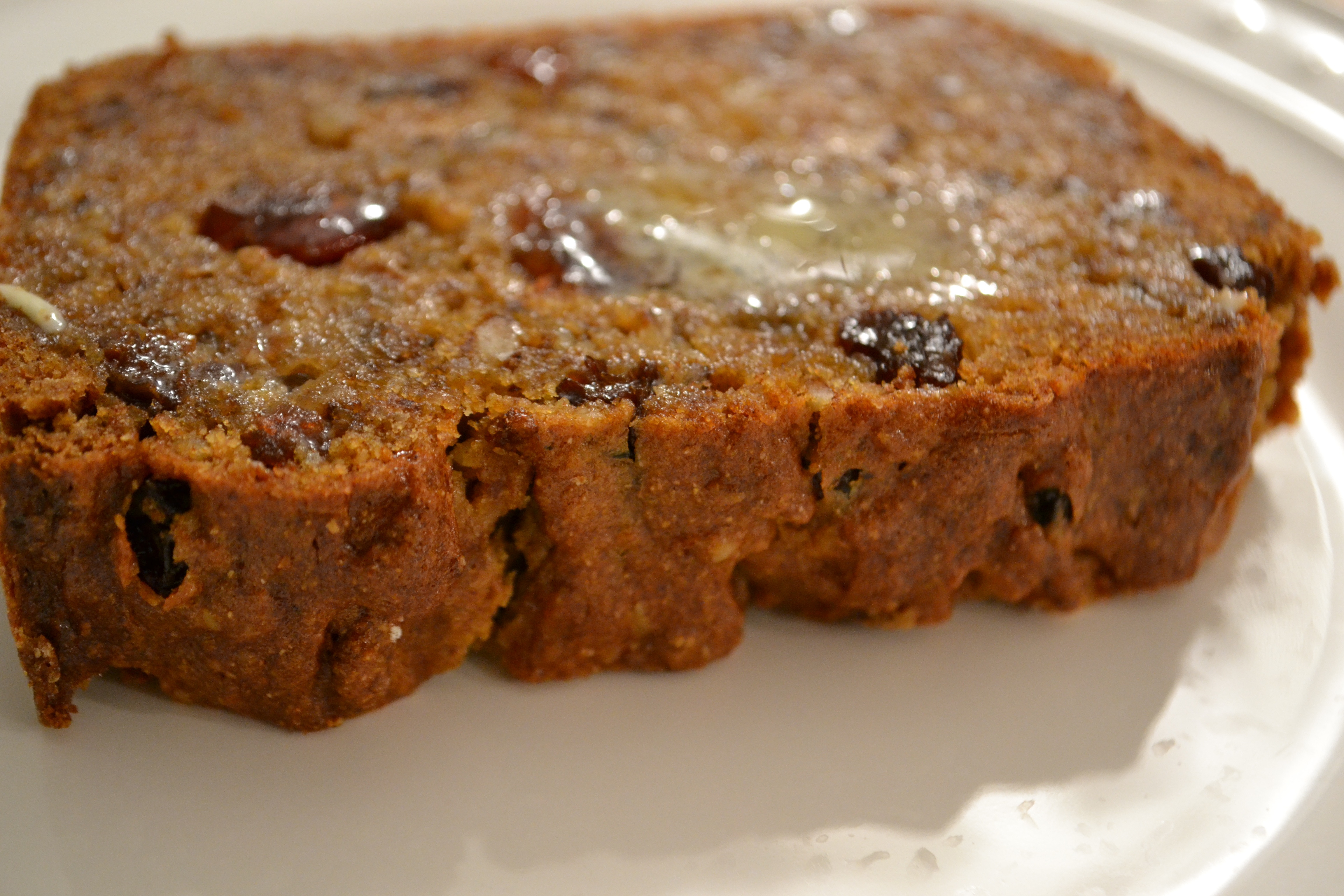
persimmon breadSomeone recently told me persimmons are a “50s kind of fruit.” She went on to explain that in my area in the 50s, everyone planted persimmon trees. It’s true that our home was built about that time, and indeed, we have a tall, poorly pruned persimmon tree in our backyard. I certainly can’t complain… The 50+-year-old tree in our backyard continues to bear fruit year after year. Maybe it’s also a Northern California thing because even our supermarkets and farmers markets are overflowing with persimmons during the early months of winter.

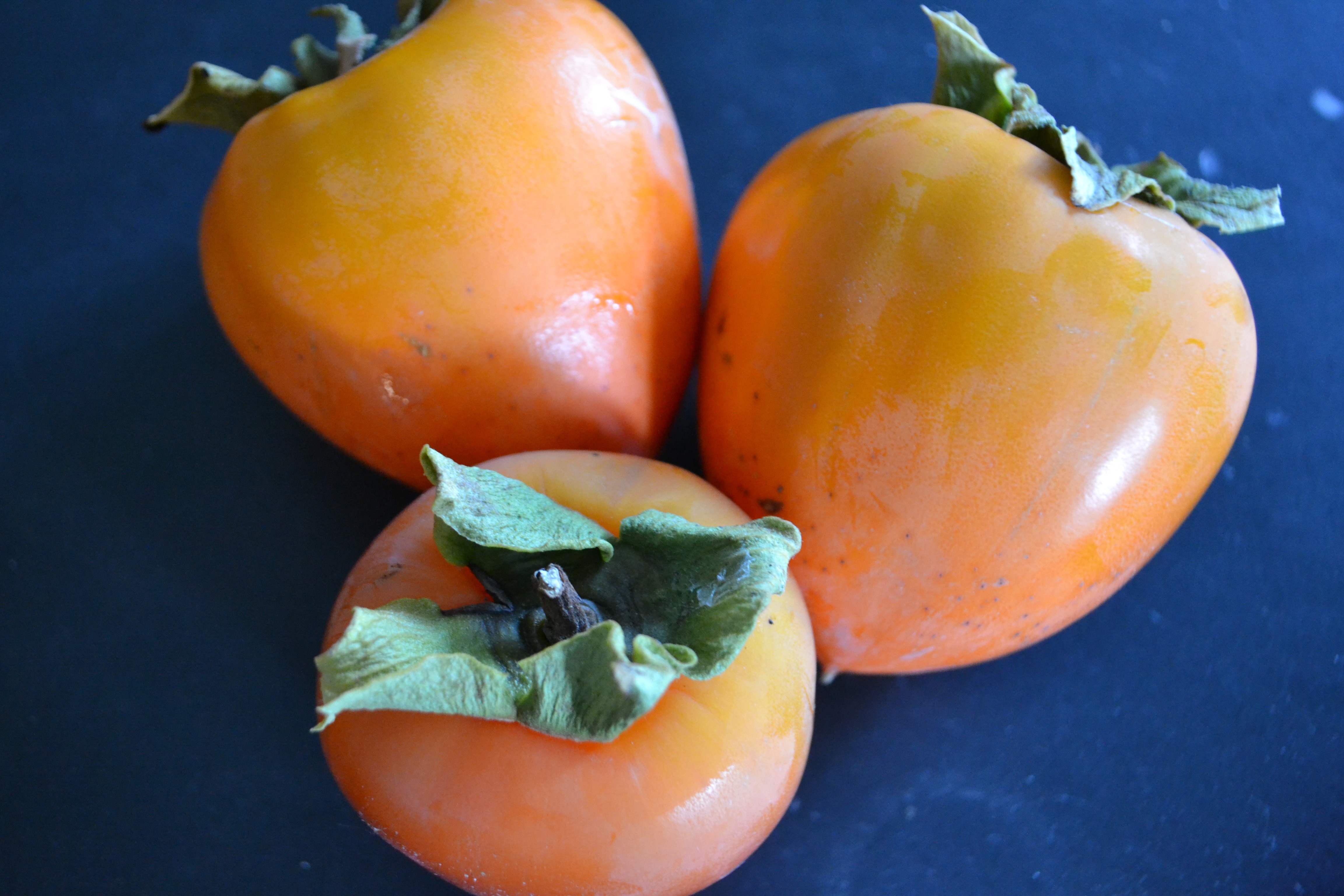
There are many kinds of persimmons, but for all practical purposes, there are two: Hachiya and Fuyu. The Hachiyas are more oval and best used for baking after they reach full (very soft) ripeness. They make naturally moist and sweet breads and cakes. The Fuyus are round and squat and are best used like an apple–sliced and eaten or used in salads while still firm.

Our tree bears Hachiyas, so each year in late October and often into December, we get out the ladder and start picking. Once picked, they ripen quickly, so quickly that I have to give many away and/or “process” them for later use. My processing entails washing and peeling and pureeing the soft fruit in my Vitamix before sealing it in ziplock bags and placing the bags in my extra freezer.

persimmonsIf you are buying either kind of persimmon from a store, look for fruit that is very orange and feels heavy for it’s size. Hachiyas can easily be ripened at home at room temperature. Their beautiful shape and color make them an excellent choice for a table centerpiece while they ripen to readiness.

I make some version of persimmon bread every year–typically all through winter. Since I’m still on my gluten-free kick, I haven’t been baking persimmon bread as much. I also haven’t experimented with how to make a gluten-free loaf, but it’s a good project for next winter.

This recipe–adapted from Beard on Bread by James Beard, makes two loaves, so freeze the second or give it to someone you love.

persimmon pureeIngredients

3½ cups sifted flour (I use 1 cup barley or spelt, 1 1/2 cup all-purpose and 1 cup sorghum)
1½ teaspoons salt
2 teaspoon baking soda

1 tsp cinnamon
1/2 teaspoon ground nutmeg
3/4 cups sugar
1/2 cup melted unsalted butter and cooled to room temperature

1/4 cup canola oil
4 large eggs, at room temperature, lightly beaten
1/3 cup bourbon or whiskey
2 cups persimmon puree (from 4-6 squishy-soft Hachiya persimmons peeled and cored)
2 cups walnuts or pecans, toasted and finely chopped
1 cups raisins or cranberries or other dried fruits (try apricots, or dates)

Preparation

1. Lightly grease or spray oil 2 9-inch loaf pans. Line the bottoms with a piece of parchment paper or dust with flour and tap out any excess.

2. Preheat oven to 350 degrees.

3. Combine the first 5 dry ingredients in a large mixing bowl.

4. In another large mixing bowl, lightly whisk the eggs. Whisk in the butter (or oil), liquor and persimmon puree.

5. Add the dry ingredients to the wet and stir until just combined. Fold in the nuts and dried fruit.

5. Bake 1 hour or until toothpick inserted into the center comes out clean.

Read Full Post »

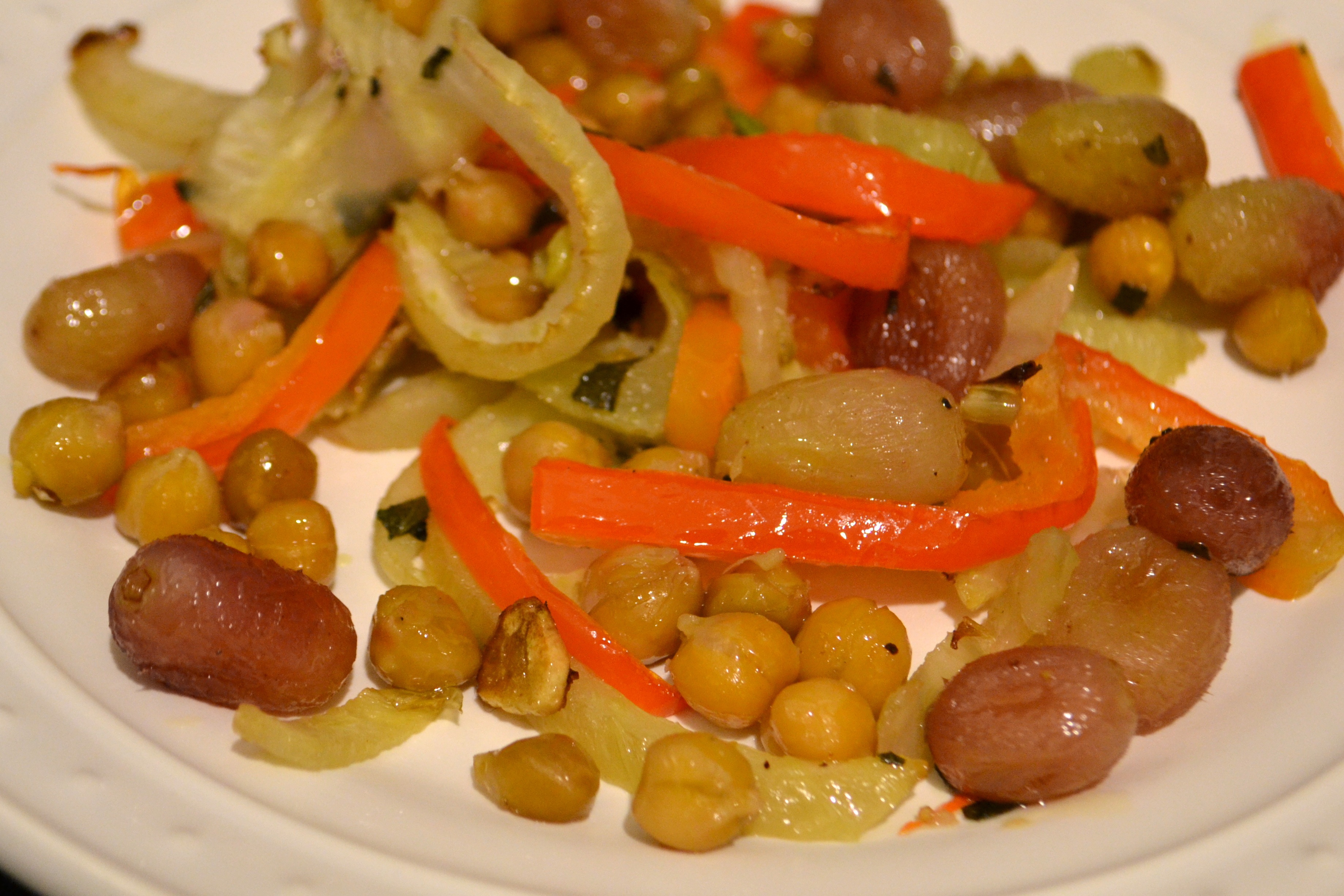
ImageThis is one of my favorite Autumn recipes. The combination of colors, flavors and textures works well as its own dish, but also pairs beautifully with any roast meat. I usually serve it alongside a simple herb-roasted chicken or turkey sausages. It also works well as an accompaniment to a pureed soup or served with a baguette and soft cheese, such as Brie or Camenbert.

As an added bonus, my sometimes picky-eating children like this dish. Roasting causes the grapes to become like candy and the peppers and fennel to caramelize. The chickpeas are just fun to eat for them, and carry the flavors of the other ingredients.

fennel, grapes side viewIngredients

1 head fennel, washed, halved and thinly sliced

2 garlic cloves, thinly sliced

1 red bell pepper, stemmed, seeded and cut into 1/4-inch slices

1 yellow bell pepper, stemmed, seeded and cut as above

1 lb. large seedless red grapes

1 can chickpeas (garbanzo beans)

2-3 tbsp extra-virgin olive oil

sea salt

freshly-ground pepper

1 tbsp fresh oregano, chopped

Preparation

Preheat oven to 450 degrees. Toss all ingredients together in a large bowl. Spread out on one large or two smaller rimmed baking sheets. Place in the oven and roast, “stirring” once or twice until the vegetables begin to carmelize and the grapes begin to burst, about 30 minutes. Transfer to a serving bowl or platter with any pan juices. Serve warm.

Enjoy!

*Adapted from Whole Living Magazine

Read Full Post »


We always hear, “Eat your greens,” but you can also drink your greens, and sometimes it’s a lot easier, faster and equally nutritious!

I’m honoring kale this week. Yesterday’s posting featured kale caesar salad and a summary of kale’s nutritional benefits.

Here is my favorite breakfast shake. It serves as a meal, and works perfectly for those mornings when I’m late packing the kids’ lunches or want something lighter than a more traditional breakfast for myself. (Unfortunately this shake just doesn’t photograph well with my limited photography skills and equipment.)

I simply throw everything into my Vitamix and hit “high” for 20 seconds. You can make this with any decent-powered blender, but to put in a plug for my beloved machine, the Vitamix will literally liquefy anything, and it makes this shake incredibly creamy.

Ingredients

1 cup water
Approx. 1/3 cup coconut milk (I never measure–just pour out a splash)
1 tbsp flaxseed oil
1 scoop whey (or soy) protein powder
1 splash organic Grade B maple syrup
2-3 handfuls chopped kale (I strip, wash, dry, chop and freeze my leaves so there’s no preparation in the morning)
1/3 cup parsley (prepared in advance like the kale)
2 small handfuls of frozen berries or banana (I use blueberry and strawberry)

Preparation

Liquefy everything in a blender and drink slowly, treating it as a meal vs. a glass of water.
Note: My kids will drink this, but don’t always relish it. For a kid-friendlier green smoothie, please see my Green Monster Juice.
Drink up to your health!

Read Full Post »

kale caesar

This week I’m honoring kale.

Kale is often called the “queen of greens” because of it’s high nutritional content, and studies suggest it reduces your risk of developing cancer and lowers cholesterol. Just one cup of kale provides 180% of the daily requirement of vitamin A, 200% of vitamin C, 1,020% of vitamin K, 40% of magnesium, and a good dose of calcium, fiber and vitamin B6. It’s also an excellent source of potassium, copper, manganese, iron and phosphorous. It belongs to the same family as cabbage, brussel sprouts and collards.

Kale grows year-round here in Northern California, but I find people are always looking for good ways to prepare it. This salad has undoubtedly been blogged by many others, but in case you haven’t seen this recipe or made this salad, you must. It’s easy to prepare and always well-received. I’m not certain where the recipe came from originally, but I saw it most recently in Sunset Magazine.

I think curly kale works best in this recipe because it makes a nice texture contrast with the radicchio. Not a huge kale fan? I also make the dressing and drizzle it over whole-leaf romaine in classic caesar-salad style. It’s delicous either way. So without further ado, here’s the recipe.

Ingredients

8 anchovy fillets, minced (and if you’re not a fan of anchovies, leave them out)

1 garlic clove, minced or crushed

Juice of 1 lemon

1/2 cup extra-virgin olive oil

1/2 teaspoon kosher salt

1/4 teaspoon pepper

About 3/4 cup grated parmesan cheese

3/4 lb. curly kale, ends and tough ribs trimmed, cut crosswise into 1-inch ribbons

1/2 lb. radicchio, cut crosswise into 1-inch ribbons

Preparation

Whisk anchovies, garlic, lemon juice, oil, 2 tbsp. water, the salt, and pepper in a very large bowl. Don’t worry that the dressing doesn’t emulsify; it will come together more when you add the cheese.

Add 3/4 cup parmesan and the greens and mix with your hands. (Not only does massaging the salad with your hands mix all the ingredients together, it also softens the kale.) Set salad on plates. Add more parmesan if you like.

Serve immediately.


Read Full Post »

« Newer Posts - Older Posts »

Cooking Without Limits

Food Photography & Recipes

Selma's Table

Life doesn't have to be perfect to be wonderful - stories and recipes from a wonderful life...