Feeds:
Posts
Comments

Archive for the ‘General nutrition’ Category

I apologize for the delay in publishing Part 2 of my two-part report on sugar. Once again, that wonderfully unpredictable thing called life simply threw off my plans. But this posting is a natural follow-on to Sugar (Part 1), which if you may recall focused largely on how our bodies react to sugar and how most of us simply are consuming far too much.

As it happens, I suffer from an annoying sweet tooth, which I constantly battle and/or make excuses for. From all the anecdotal research I’ve conducted over the years, I’m convinced I could lose the sweet tooth if I could give up added sugar entirely for a few months. But therein lies the problem… I don’t make it past a week or two, a situation exacerbated by my love of baking. So for people who share my challenge, it makes sense to know how much is too much and what the different options are for sweetening the food we eat.

Here, I’ve tried to summarize the various sugars we regularly use and/or have seen as a commonly listed ingredient. There may be one or two less familiar, as many sugar substitutes have entered the market in recent years. Some of this won’t be news, but I think there are interesting if not surprising facts for everyone.

For instance, many don’t realize that brown sugar is just ordinary white sugar to which a relatively small amount of molasses has been reintroduced. Normally, molasses is separated and removed when table sugar is created from sugarcane plants. Because of its molasses content, brown sugar does contain trace amounts of a few minerals, including potassium, iron and magnesium. But since the amounts are so minuscule, there really is no additional health benefit to using brown sugar. That said, there is a slight taste difference, particularly in baked goods, so if a recipe calls for brown sugar, it’s best not to substitute white.

Honey–if it’s raw honey, it’s considered nutritionally superior to table sugar or maple syrup due to its mineral content as well as its purported healing properties. It’s especially recommended for a cough or sore throat. Honey can also be moisturizing, healing and soothing to irritated skin.

Maple syrup is also relatively unprocessed as it can be used immediately after being tapped from the tree. However, be sure to only use organic maple syrup since common non-organic practices include the use of formaldehyde plugs where the syrup is tapped and lead buckets for collection.

It’s important to note that while honey has a slightly lower glycemic index than table sugar, both honey and maple syrup have significantly more calories than table sugar on a per ounce basis. So if you’re counting calories, you might want to opt for plain unrefined cane sugar or one of the other sugar substitutes mentioned below.

Agave syrup has received a lot of press over the last few years. Initially it was hailed as the ultimate answer to sweeteners because it purportedly didn’t cause a spike in blood sugar levels (due to its high fructose levels vs. sugar’s high glucose levels) making it ideal for diabetics and pre-diabetics.  However, research has shown that fructose may promote disease more readily than glucose because glucose is metabolized by every cell in the body whereas fructose is metabolized by only the liver–putting this particular organ at greater risk of disease. In addition, fructose may contribute to diabetic conditions since it reduces the sensitivity of insulin receptors resulting in the body having to produce more insulin to handle the same amount of glucose.

Furthermore, because it was often sold in natural foods stores, agave was considered a natural sugar. In reality, most agave syrup is highly processed using either heat or enzymes. If you use agave syrup, make sure you are buying “raw” agave syrup. It is heated at a lower temperature so few natural enzymes are destroyed. It’s also important to note that although one teaspoon of agave syrup has the same amount of calories as one teaspoon of sugar, because agave is 40 percent sweeter it should never be substituted ounce for ounce, cup for cup, etc., thereby reducing your calorie intake. I still use agave, but sparingly and only in one or two recipes.

Stevia is a sweetener and sugar substitute derived from a plant/herb in the sunflower family that is native to areas ranging from western North America to South America. It’s been used for centuries by various populations in Paraguay even though it was just approved by the FDA in 2008 (and approved for use in the EU just last year). It appears to have a negligible effect on blood glucose, making it an excellent choice for people on low-sugar and carbohydrate-restricted diets, although some people claim it has a slightly bitter or licorice-like aftertaste. However, I have sampled the Sweetleaf brand, and have not noticed any unpleasant aftertaste. It’s an easy sweetener to add to jams, sauces, tea or coffee where you don’t need it to also affect the texture. I’ve been experimenting with using Stevia in baking, but it’s a bit trickier, hence I can’t offer any specific substitution amounts yet.

The sugar alcohol Xylitol is also considered a natural sugar substitute. It occurs naturally in the fiber of many fruits and vegetables as well as corn husks and sugar cane stalks. Because gram for gram it has greater than one-third fewer calories than table sugar, it’s considered a good sugar substitute for diabetics and people with hyperglycemia. And unlike Stevia, is has virtually no aftertaste. That said, Xylitol has not been widely embraced, in part because like other sugar alcohols (e.g., mannitol and sorbitol), it can cause temporary stomach upset, including bloating, flatulence and diarrhea (oh, joy).

The sugar to avoid–at all cost–is corn syrup, particularly high fructose corn syrup. This highly-processed sweetener is the most common added sweetener in processed foods and beverages. It causes a huge spike in blood sugar levels and has been implicated in the dramatic increase in Type 2 Diabetes in the U.S. as well as the record levels of obesity and increased triglyceride levels (which leads to increased risk of heart attack).

A recent Princeton University study found that rats who consumed high-fructose corn syrup “gained significantly more weight than those with access to table sugar, even when their overall caloric intake was the same.” Furthermore, the study found that in addition to the significant weight gain experienced by the high-fructose consuming rats, “long-term consumption of high-fructose corn syrup also led to abnormal increases in body fat, especially in the abdomen, and a rise in circulating blood fats called triglycerides.” These same characteristics in humans are known risk factors for high-blood pressure, cancer, diabetes and coronary heart disease.

Numerous studies have linked high-fructose corn syrup to the obesity epidemic plaguing the US today. Just think about it, 40 years ago, only 15 percent of people living in the U.S were considered obese. Today, more than one-third of Americans meet the definition of obese (20% or more over an individual’s ideal body weight).

And speaking of obesity rates in the United States, here is where I have to go off on a tangent and shed light on a worrisome phenomenon that in reality isn’t really a phenomenon, but a calculated practice. That is, chain stores are making larger clothes for the same sizes. What do I mean? My weight and standard body measurements have remained the same since my early 20s. That’s attributable in part to inherited high metabolism as well as the fact that I pay careful attention to what I eat, how much I’m eating and exercising, etc. However, with chains such as Gap and J. Crew, I have “shrunk” 2-3 sizes. A store manager at one of these stores, whom I have gotten to know over the years, confirmed that making larger clothes for traditional 0-14 and XS-XL was an intentional practice by the brand she represents. Clothing manufacturers don’t want customers to know or think they’re getting bigger, because customers will feel less positive about themselves and the store or brand that made them aware of this fact. I find it downright deceitful and manipulative, but that’s fodder for another posting.

Aspartame is the last sugar substitute I’ll mention in this posting. I’m including it only because I’m surprised to still find it in so many products. It is an artificial sweetener, that was originally sold under the brand, NutraSweet. Gram for gram, it has about the same number of calories as sucrose (regular table sugar), but because its sweetness is so concentrated (200 times greater than table sugar), the amount you might use to sweeten something is so small that the caloric count becomes negligible.

Aspartame was the center of controversy for decades. Reports linked it to everything from multiple sclerosis to seizures, headaches and brain tumors, but the reports themselves were controversial, and the FDA has continued to consider aspartame a safe non-nutritive sweetener at “current levels of consumption.” In fact, aspartame has been found by more than 90 countries worldwide to be safe for human consumption. Aspartame actually was at the center of what is considered one of the largest known internet hoax conspiracy theories. Due to all the claims and confusion, several large companies made public statements indicating they would no longer use aspartame in their products. Later this year, the European Food Safety Authority (EFSA) is expected to release it’s findings of a full re-evaluation of aspartame.

Perhaps because I don’t have undying faith in the FDA or because the added clause “at current levels of consumption” isn’t reassuring enough, I still avoid aspartame (entirely). It should also be noted that because one of the products aspartame breaks down into is phenylalanine, aspartame must be entirely avoided by people with the relatively rare genetic condition phenylketonuria (PKU).

The bottom line remains the same: Whether we’re spreading honey on our toast, drinking a carbonated beverage, or enjoying a cupcake from one of the many boutique cupcake bakeries that have popped up, we as a nation currently consume far more sugar than our bodies can handle without serious negative side effects. I feel as though it’s become my mantra, but what we need to remember is that sugar causes inflammation, and inflammation is the precursor to many major diseases including cancer and heart disease.

So how do you like your cup of tea: with one lump or two?
Read Full Post »

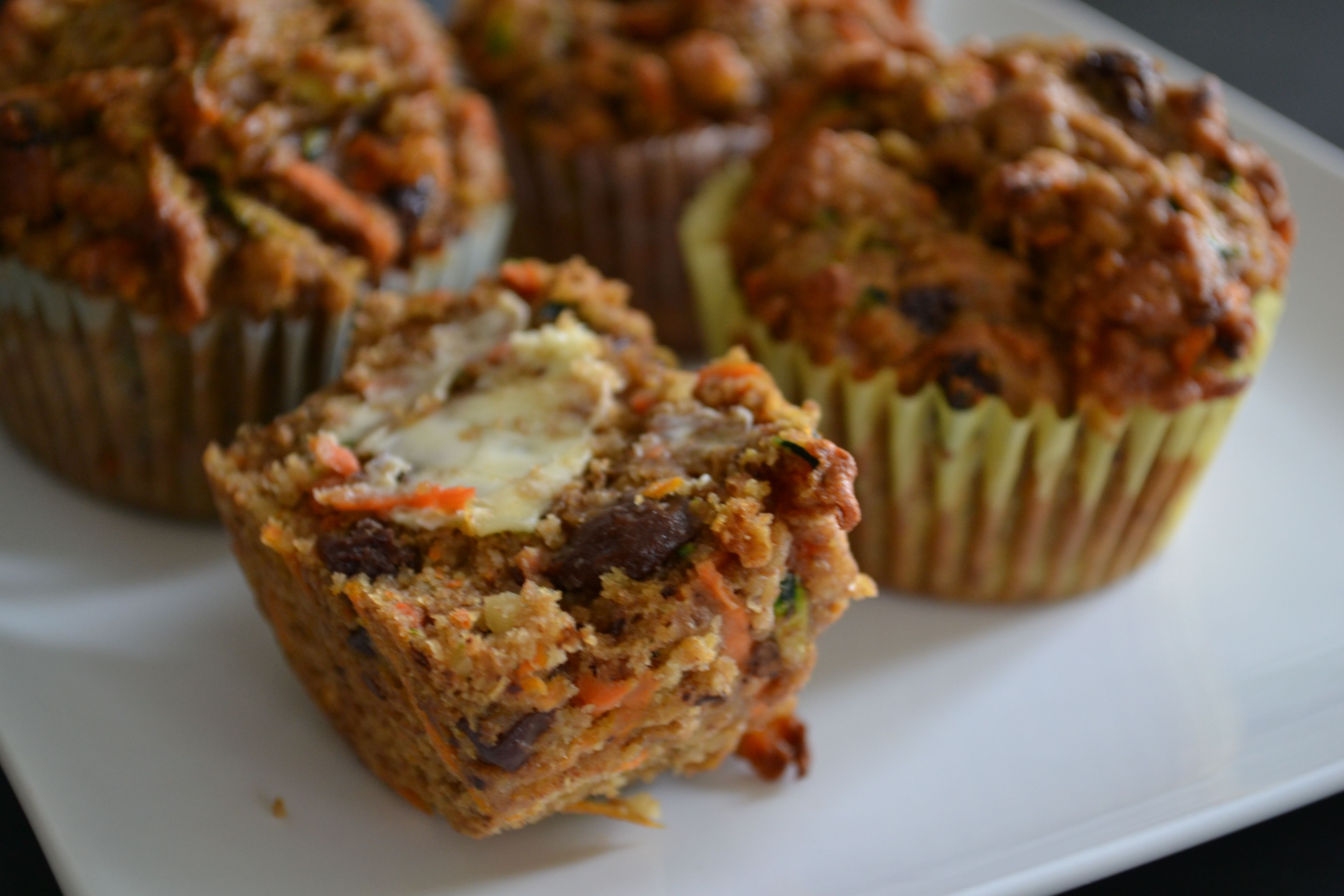
I just finished baking another batch of these moist and “meaty” muffins. Maybe it was the dreary gray outside that motivated me to make something (naturally) sweet and substantial.

I’ve been working on these over the past few weeks, ever since a good friend of mine asked me to find or create a recipe for a muffin that would be nutritious enough to substitute for breakfast for her two daughters when she didn’t have time to do the usual–pancakes, french toast, etc.

The request reminded me of a breakfast muffin I used to order (in similarly dreary gray weather) when I lived in Seattle. I remember the muffins being dense, moist and hearty with a lightly crunchy top. I don’t exactly remember them being all that healthy, but I was determined to find the right balance.

I will continue to tinker with this recipe, but based on this last batch, I think you will find that these can indeed sub for breakfast. They boast whole-grain flours, eggs, flaxseeds and wheatgerm and three (!) cups of veggies–carrot, zucchini and sweet potato. While heavy on the protein and fiber, they’re light on sugar and rely on a little oil and applesauce for moistness.

Since first attempting the muffins a few weeks ago, my kids literally beg for these at breakfast and snack time.

Give them a try and let me know your thoughts!

Morning Glory Muffins

(Recipe adapted from several I found on-line and two shared with me by friends)

1 cup barley flour

1/2 cup all-purpose flour

1/2 cup almond meal/flour

1/2 cup finely chopped walnuts or pecans (I use my Krups mini-processor)

1/4 cup wheat germ

1/4 cup ground golden flaxseed meal

1 teaspoons ground cinnamon

1 teaspoon baking soda

1/4 teaspoon baking powder

1/2 teaspoon salt

1/4 cup cane sugar

1/4 cup brown sugar

1/2 cup applesauce

1/4 cup canola oil

3 large eggs

1 teaspoon vanilla extract

1 1/2 cups grated* zucchini, lightly packed after squeezing out excess moisture

1 cup grated peeled sweet potato, lightly packed

1/2 cup grated carrot, lightly packed after squeezing out excess moisture

1/2 cup raisins (I find raisins work best, but you can try substituting other dried fruit, such as cranberries, apricots or cherries, etc.)

* Note on grating: The muffins pictured use the standard grater “setting” (as shown on the right side of the grater in the photo) but I’ve also done them with the finer grating (left side of grater in photo) and they were equally good. Experiment!

Preheat oven to 350°F. Grease a standard muffin pan or line with paper cups. Mix all dry ingredients into a medium bowl. Lightly whisk eggs, then whisk in sugars, applesauce, oil, eggs and vanilla to blend in large bowl. Mix in zucchini, carrot and sweet potato. Add dry ingredients and stir until just barely combined. Fold in nuts and raisins.

Spoon into prepared muffin tin. (Don’t worry that the batter will be higher than the edges of the muffin tin!) Bake until a toothpick inserted into center comes out clean, about 25-30 minutes.

These are delicious eaten plain, but you can also add a little dairy, such as butter or cream cheese, if you like. The muffins keep for several days in a ziplock bag or other airtight storage container.

Read Full Post »

Maybe it’s in poor taste to write about the evils of sugar just on the heels of the holiday season and a week before that box of Valentine chocolates appears. Then again, as I find myself with a heightened sweet tooth–after a period of undoubtedly indulging in too many holiday cookies–made with love and care by myself or a friend, I think this is the perfect time to raise awareness about how much is too much when it comes to sugar, and what the health effects are.

I constantly have people saying to me–usually in reference to what I am or am not allowing my children to eat, “A little sugar isn’t going to kill them” or “At least it’s organic sugar.” What I feel many people don’t understand is that sugar really is bad for you.

Why is sugar bad?

Most people seem to focus on the high number of calories contained in sugar or its potential adverse effects on tooth enamel. Evidently their primary concerns are weight and cavities. But I believe those are the lesser evils of sugar.

Excessive sugar in our diets leads to insulin resistance, promotes inflammation (a primary precursor to major diseases, such as heart disease and cancer), can lead to excessive weight gain, contributes to non-alcohol related fatty liver disease, may act as fertilizer for cancer cells, and may speed up aging.

In 2009, the American Heart Association (AHA) reported that the average adult in America consumes 22 teaspoons of added sugar each day, teens a whopping 34 teaspoons!

The biggest culprit in these numbers turns out to be soft drinks. A regular 8-oz soft drink contains 8 teaspoons of sugar. That is nearly the daily recommended amount of sugar for men and it’s two teaspoons over the daily recommended amount for women.

The AHA says most women should consume not more than 6 teaspoons of added sugar per day, which equates roughly to 100 calories from added sugar. The group recommends no more than 9 teaspoons, or 150 calories) for most men. (The AHA does not set recommendations for the daily amounts of naturally occurring sugars, such as those contained in fruits, vegetables and dairy products.)

If Americans followed the AHA’s new guidelines, the average person would cut their consumption of added sugar, by more than 70 percent!

The rising consumption of highly-processed foods–many of which contain high levels of sugar, has already been linked to the skyrocketing rates of obesity we’re experiencing here in the U.S

Researchers also have found that the higher in sugar a person’s diet, the lower his/her blood levels are of High-density lipoprotein, or HDL, the good cholesterol that transports dangerous cholesterol away from the arteries. Research has also shown that as dietary sugar levels rise, so do the level of triglycerides, the fat that circulates in the blood. Both low HDL cholesterol and high triglycerides significantly increase the risk for heart disease.

If higher risks of obesity and heart disease aren’t enough to scare you, experts now believe that a high-sugar diet leads to rapid aging of the skin. This happens through a natural process called glycation, in which sugar in the bloodstream attaches to proteins to form dangerous new molecules called advanced glycation end products (AGEs very appropriately, for short). The more sugar a person eats, the more AGEs he/she develops. Collagen, the protein fibers that keep skin firm and elastic, is the most vulnerable, in part because it is the most prevalent protein in our bodies. Loss of collagen and elastin results in wrinkled and sagging skin.

Sugar and immunity

Studies have shown ingesting significant quantities of sugar can reduce the ability of white blood cells to kill germs by 40 percent and that the immune-suppressing effect starts within 30 minutes of ingestion, and may last for as many as five hours. In contrast, ingesting complex carbohydrates or starches appears to have no effect on the immune system.

How to reduce your intake

Added sugar is in pretty much any food that’s been processed, including salad dressings, crackers, spaghetti sauce, breads and many peanut butters. Take yogurt for example, a single serving of Brown Cow organic yogurt (flavored) contains 27grams of sugar! I serve it only on occasion, and it’s served as a dessert.

I realize many people don’t have the time or interest to prepare all of their meals from scratch. But you can easily reduce your sugar load by simply being more aware. Read labels and make small adjustments. Here are just a few suggestions:

– Take a look at the nutrition information on the box of cereal in your cupboard. Envirokidz Panda Puffs contains 7 grams of sugar per 3/4 cup serving. Since my kids are obsessed with it, I still buy it. But I only serve it once a week, and I mix it 50/50 with Trader Joe’s Joe’s Os whole-grain oat cereal, which has only 1 gram of sugar per serving.

– Regular jams contain 12-16 grams of sugar per serving (1 tablespoon). Opt for fruit spreads like organic bionaturae fruit spreads. They contain half that amount, and the sugars are naturally occurring instead of added.

– Check the number of grams contained in your regular sandwich bread. Compare with a few others. Some “plain” whole-wheat loaves contain 8+grams per serving. Others contain less than 2.

– Serve juice–even 100% natural, unsweetened juice, on occasion only. With juice, you get all the sugar of the fruit with very little else. Your body reacts to the sugars in the juice just as it would straight regular sugar (i.e., insulation spike). Serve whole fruit instead as the fiber in fruit helps regulate blood sugar levels. Whole fruit also contains nature’s mix of vitamins, minerals, enzymes, and beneficial phytonutrients, all of which help moderate the negative metabolic effects of sugar.

– Do make your own quick breads (e.g., banana bread) and muffins, pancakes, sauces (e.g., spaghetti, pizza) and cookies since you can regulate how much sugar goes into the mix. I typically cut the amount of sugar called for in recipes by half without negatively impacting texture or taste.

– Save candy for special occasions, such as Valentine’s Day and Halloween.

In Part II, I’ll describe the different types of sweeteners and how they affect our bodies as well as our palates.

Here’s to a healthier you!

Read Full Post »

This recipe combines the sweetness of bananas and the texture of oats to create a delicious and wholesome breakfast option. Because bananas provide natural sweetness, the recipe only uses three (UNpacked!) tablespoons of sugar. You may not think it’s necessary to add anything more than a handful of berries as a topping. My favorite way to serve waffles is to cook a package of frozen blueberries over low heat, which makes an amazing, naturally sweet and very flavorful “syrup”!

These waffles have become a Sunday tradition in our house! I cook mine on a VillaWare waffle iron that I’ve had for several years. Sadly, the same model is no longer available, but you can buy a waffle iron from just about anywhere (Target, Williams-Sonoma, Walmart, Sur la Table, Macy’s) for a reasonable price ($29-$149).

Ingredients

4 tbsp. unsalted butter, melted
1 cup porridge oats
1 cup whole-grain barley flour (or other whole-grain flour of your choosing)
1 tbsp double-acting baking powder
1/2 tsp baking soda
1/4 tsp ground cinnamon
1/4 tsp salt
Pinch of ground nutmeg
3 tbsp brown sugar
1 1/2 cup buttermilk
1/2 tsp pure vanilla extract
2 large eggs, lightly whisked
2 ripe (!) bananas, thinly sliced
Fresh berries, maple syrup or honey, optional

Directions

Preheat your waffle iron. (I set mine on 6 on a scale of 1 to 7.) Melt the butter and set aside. In a large bowl, mix together all the dry ingredients. In a small bowl, whisk together the eggs, vanilla and buttermilk. Add the wet ingredients to the dry and stir until just combined. Stir in the banana slices and melted butter.

Lightly butter or spray your waffle iron. Spoon approximately 1/2 to 2/3 cup of batter. Close the lid of the iron and press down firmly to allow the batter to spread through the grid. Bake until golden brown and crisp on the edges.

Serve immediately topped with berries, maple syrup or honey.

Makes 6-7 waffles on my waffle iron which has a two, square waffle pattern.

*Recipe adapted from Banana-Oatmeal Waffles in “Waffles, from morning to midnight” by Dorie Greenspan

Read Full Post »

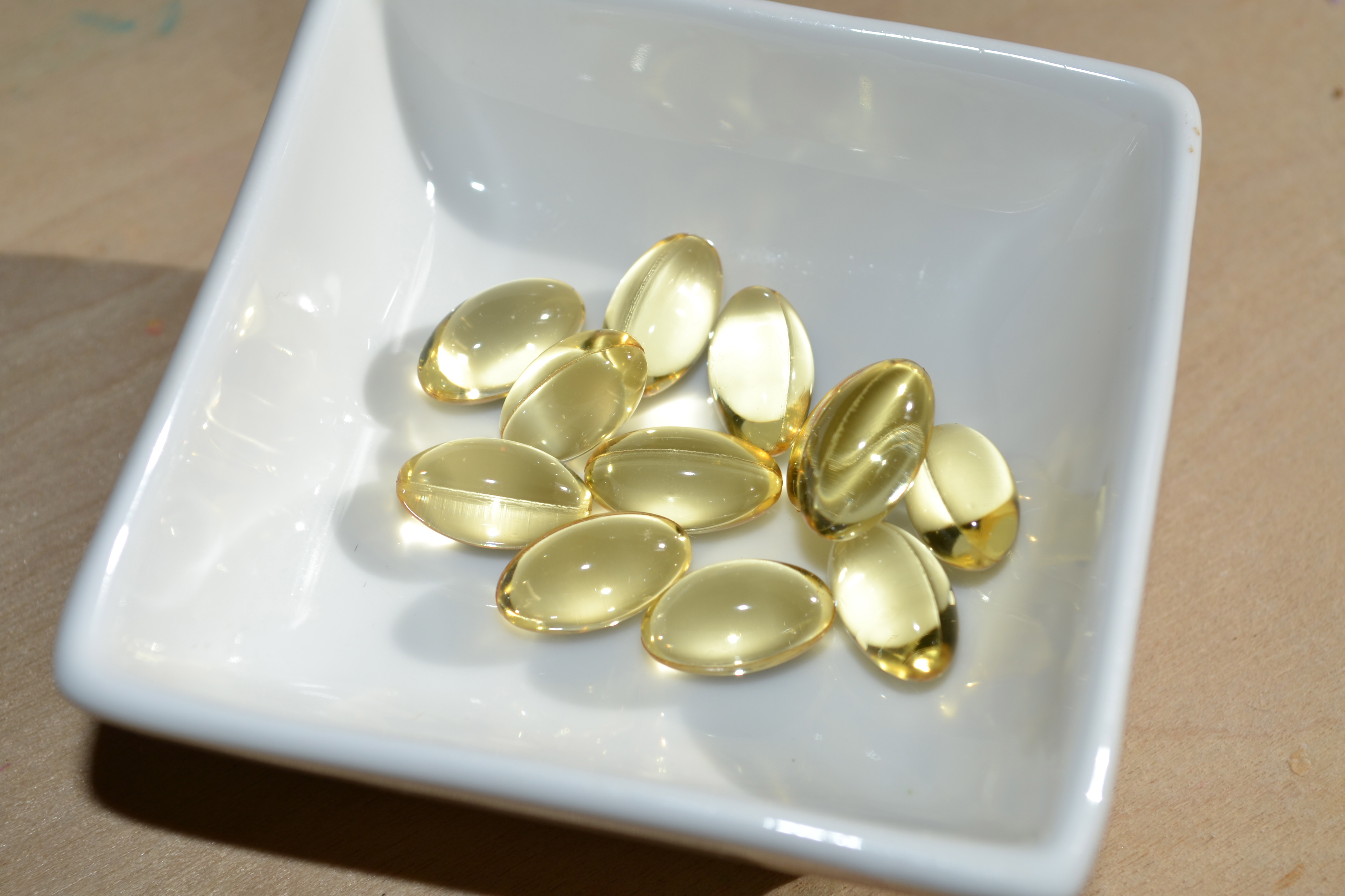
Vitamin D is a fat-soluble vitamin naturally found in very few foods, yet recent research links vitamin D deficiency to everything from osteoporosis to cancer.

Vitamin D comes in two forms for humans: ergocalciferol (vitamin D2) and cholecalciferol (vitamin D3). Vitamin D2 is synthesized by plants, while vitamin D3 is synthesized by humans when our skin is exposed to ultraviolet-B (UVB) rays from the sun. That’s why it’s often called the “sunshine” vitamin. Foods can be fortified with both forms. A significant vitamin D deficiency can result in rickets in children and osteoporosis in adults.

What does it do?

The primary function of vitamin D is to maintain normal blood levels of calcium and phosphorous, thus promoting normal bone formation. Vitamin D also helps regulate the immune system. It has been linked to maintaining a healthy body weight, the reduction of asthma symptoms—both in severity and frequency, and a reduced risk of developing rheumatoid arthritis in women. Perhaps most importantly, recent studies have shown that people who have maintained adequate levels of vitamin D over long periods have a significantly lower risk of developing cancer compared with people with chronically low levels.

Where do I find it?

Vitamin D is found in many dairy products, such as cheese, butter, cream and fortified milk. It is also found in fatty fish, such as salmon and mackerel, oysters and fortified cereals.

How much do I need?

According to the experts, 10-15 minutes of sunshine at least three times weekly is enough to meet the requirement of vitamin D for most people. Keep in mind that in order for the body to manufacture vitamin D, the sun needs to fall on significant areas of skin—such as the face, arms and legs—not covered by sunscreen. Because sun exposure increases your risk for skin cancer, may health experts recommend getting your daily dose of vitamin D during the off-peak hours (before 10am and after 3pm).

People who do not live in sunny places, who have dark-colored skin or who spend most of their time indoors, as well as elderly people, may need to take a vitamin D supplement. Remember, skin exposed to sunlight through a window doesn’t produce vitamin D.

My children’s pediatrician recommends 400-800 IU per day. My father, who lives in the Pacific Northwest, has been advised to take between 2,000 and 4,000 IU daily. In general, people over age 50 need higher amounts of vitamin D than younger people. Be sure to ask your health care provider which amount you should be taking.

Safe sunning.


Read Full Post »

I decided to blog on the subject of raw milk because a friend asked my opinion about it after buying a bottle at our local farmer’s market. He commented on how delicious tasting the milk was, and wondered if he should make the switch from pasteurized to raw.

I am not a medical practitioner nor a registered licensed dietician or nutritionist, so the following is just the opinion of a cautious but health-conscious mother.

I do not drink raw milk nor do I serve it to my children. That said, I did regularly drink raw milk from a neighbor’s farm while growing up, and never experienced any health problems from it. I might add that our neighbor’s farm was not a particularly clean operation. We would plunk down the metal pail under the goat, milk her and take the pail to the house where the contents were poured into a glass jar and stuck in the refrigerator for later consumption. (There was definitely no hand washing or sterilization happening here.)

Now, I occasionally buy cheese made from raw milk for my personal consumption, but the majority of the time, I purposefully choose products made from pasteurized milk. My reasoning is that the alleged dangers of raw milk are simply too compelling—a little of the “better safe than sorry” philosophy.

While many websites exist extolling the virtues of raw milk, (e.g., cavity fighter, autism curer, antiviral, antimicrobial, etc.) the claims appear to be anecdotal with the exception of allergies. Studies have shown that drinking raw milk may result in fewer symptoms of hay fever and asthma. (June 2006 Journal of Allergy and Clinical Immunology, May 2007 Clinical and Experimental Allergy). However, despite these potential health benefits, all medical institutions warn that raw milk can harbor pathogens, the most common being E. coli, listeria and salmonella. The bacteria can be especially dangerous for infants and young children, pregnant women, the elderly and people with weakened immune systems, such as people with HIV or AIDS. For example, there have been cases in which children who had E. coli went on to develop hemolytic uremic syndrome, a serious condition affecting the kidneys.

The Center for Disease Control and Prevention (CDC) reports that from 1998 through 2008, raw milk or raw-milk products were implicated in 86 outbreaks in the US, resulting in more than 1,600 cases of illness, 191 hospitalizations and 2 deaths.

Where the problem lies is in the relativity of those numbers. The CDC does not share the overall number of foodborne illness outbreaks in which other foods, spinach or strawberries, for example, were implicated. Many foods can carry pathogens, and numbers are only numbers unless we can make them relative.

Cost is another consideration in the raw milk debate. My regular grocery store used to sell a quart of raw milk for $9.00. They have since pulled it from their shelves over liability concerns.

It is true that pasteurization (heating milk to 161 degrees F for about 20 seconds) does destroy some of the vitamins found in milk as well as many enzymes. Raw milk advocates claim these enzymes are what allow people to easily digest raw milk, and that many people who are lactose intolerant can tolerate raw milk. This seems logical enough, but since my children both love and drink regular milk, lactose intolerance has not been a concern for us.

My sister drinks only raw milk, as does her 7-year-old child. She buys it from a local farmer whose cows are grass-fed. She is convinced the benefits far outweigh the risks. And I imagine once you start drinking raw milk from grass-fed cows—which tastes the way milk should taste—it must be pretty hard to switch back to sterilized (i.e., pasteurized) milk.

Lastly, a word about homogenization because people often confuse it with pasteurization. Homogenized milk has been run through yet another process, which breaks down the fat molecules so your milk remains an even consistency. Because I want only the minimum amount of processing, I buy pasteurized—flash pasteurized, but not homogenized, milk. I don’t mind the extra step of having to scoop a little cream off the top and/or give my bottle a good shake before pouring.

So unfortunately, I cannot and should not make a recommendation as to whether my friend or anyone should drink raw milk. At least it gives us some food—or milk, as the case may be—for thought.

A drink to your health!

Read Full Post »

I don’t know if you’re like me, but I’m always looking for creative, easy ways to get more greens in my body and my kids’ bodies. The later can be especially tricky as they tend to balk at things of unusual color, consistency or that are just plain unfamiliar.

I recently tried a green smoothie from Diana Stobo’s book “Get Naked Fast!” She calls it Popeye’s Passion, and it has become my passion. It’s nutrient-packed and tastes delicious. Spinach is a great source of iron, calcium and vitamins A, C and E. And while it’s high in sugar thanks to the banana and apple juice, they are natural, food-based sugars–which I don’t mind given that my kids slurp down this drink.

I call it “Green Monster Juice” to add a little fun and mystique.

Ingredients

2 cups fresh pressed organic apple juice

2 cups fresh organic spinach (I used two packed cups)

1 frozen banana (or one regular, and add a few ice cubes)

Note: adding a little coconut milk makes it even creamier and gorgeous in color.

Blend all ingredients together on high until creamy. Serve immediately.

Happy slurping!

Read Full Post »

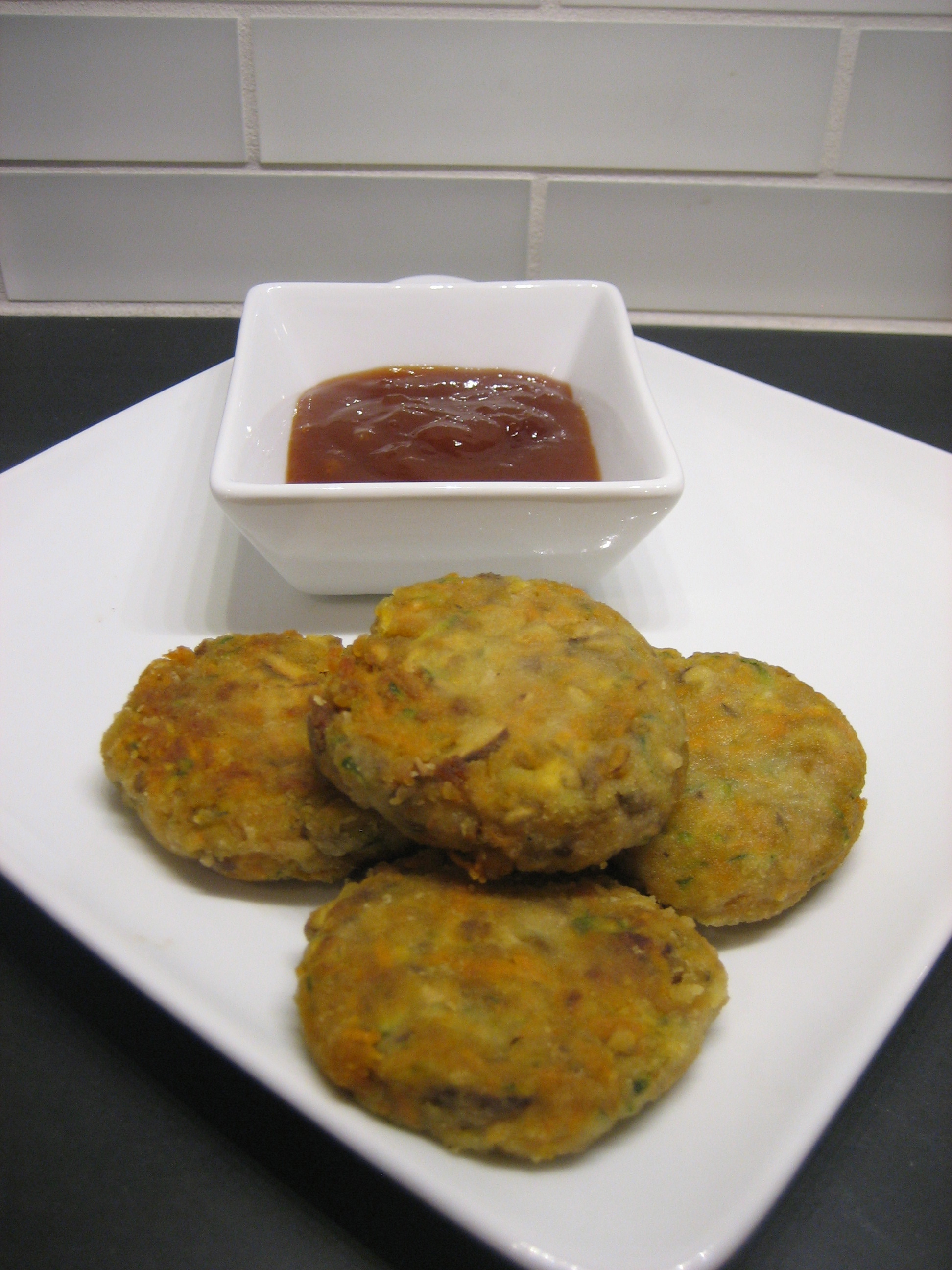
Try serving these vegetable patties (known in the UK as “rissoles”), for an easy-to-prepare, nutrient-dense meal for your kids. Mine love them (actually, so does my husband), and you can easily alter the recipe to include other ingredients from your vegetable bin or cupboard.

1 medium carrot, washed, peeled

1 small zucchini, ends removed

1 small yam or sweet potato (peeled)

1 handful mushrooms (try crimini, button or shitake), finely chopped

1 small clove garlic, crushed

1 egg, lightly beaten

1/4 cup ground almonds

1/2 a cube of chicken or vegetable bouillon, finely chopped or crushed

1 tsp soy sauce (or Nama Shoyu)

1/2 tsp crushed, dried oregano

1/2 tsp crushed, dried basil

whole-grain bread crumbs

Grate the carrot and zucchini on medium-fine. Squeeze out the excess liquid and put in a medium-size mixing bowl. Grate the yam or sweet potato and add into the mixture in the bowl. Add in all the other ingredients except the bread crumbs. Add a couple spoonfuls of the breadcrumbs and stir to combine. Add in more breadcrumbs if necessary until you have a mixture that holds together well and is not too wet.

Lightly coat the bottom of a large skillet with olive oil, and heat on medium.

Form the mixture into small patties (roughly 2-inches in diameter and 1/2-3/4-inches in thickness). Toss lightly in flour and place in the skillet. Cook several minutes on each side until golden brown.

Serve plain or with sweet-and-sour sauce or ketchup.

Enjoy!

Read Full Post »

If you get a chance, watch the new made-for-TV movie, Harmony (link) I saw it this past weekend at a pre-screening party put on by Forest Ethics (link). It features His Royal Highness (HRH) Prince Charles, and discusses the importance of sustainable farming.

I’m guessing most Americans aren’t aware that HRH Prince Charles has owned and operated a large, organic farm and been a huge proponent of sustainable farming for decades. I first became aware of his “goodness” while living in London. I was shocked and pleasantly surprised one day to discover that the organic biscuits I’d been buying all along had been made from ingredients sourced from HRH Prince Charles’s organic farm.

In all his worldly travels–which I suppose any good prince makes–he saw first hand the horrific damage being done to our Mother Earth by unsustainable practices. (It ties back in to one of the first articles I posted here titled, “Why Eat Organic?”, link) The film discusses the difference between sustainable and organic farming vs. conventional farming–the later of which results in nutrient-poor soil, less tasty food and the overall degradation of the environment.

The film aired on NBC last Friday, but I suspect it will run again. In the meantime, you can watch the entire film on-line using the Harmony link provided above.

Happy viewing!

Read Full Post »

« Newer Posts

Cooking Without Limits

Food Photography & Recipes

Selma's Table

Life doesn't have to be perfect to be wonderful - stories and recipes from a wonderful life...